
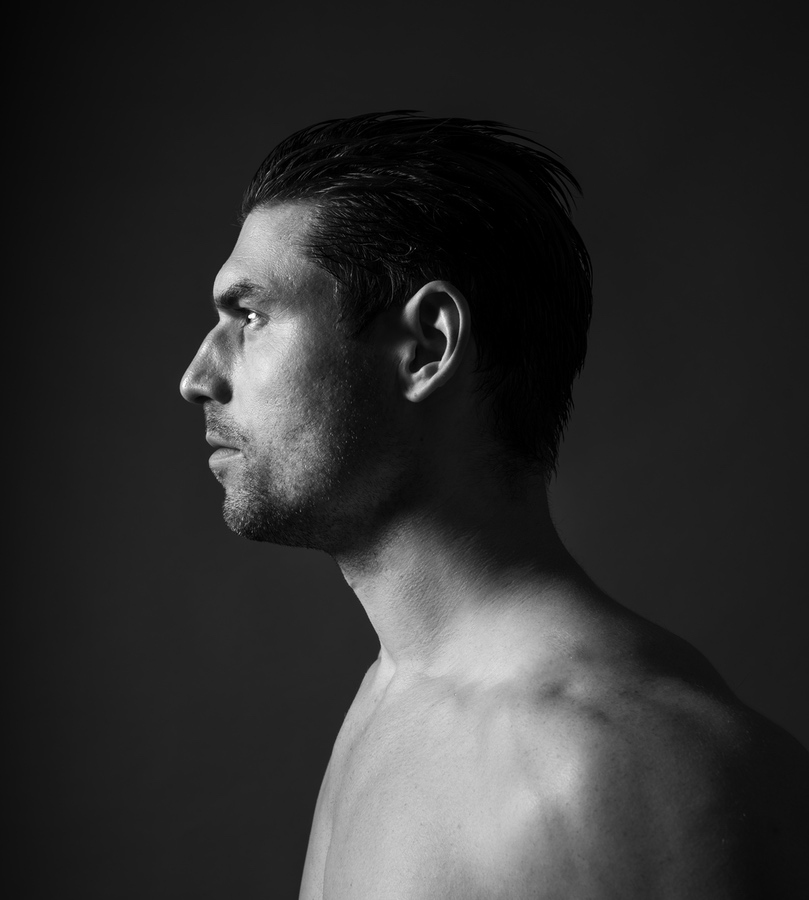
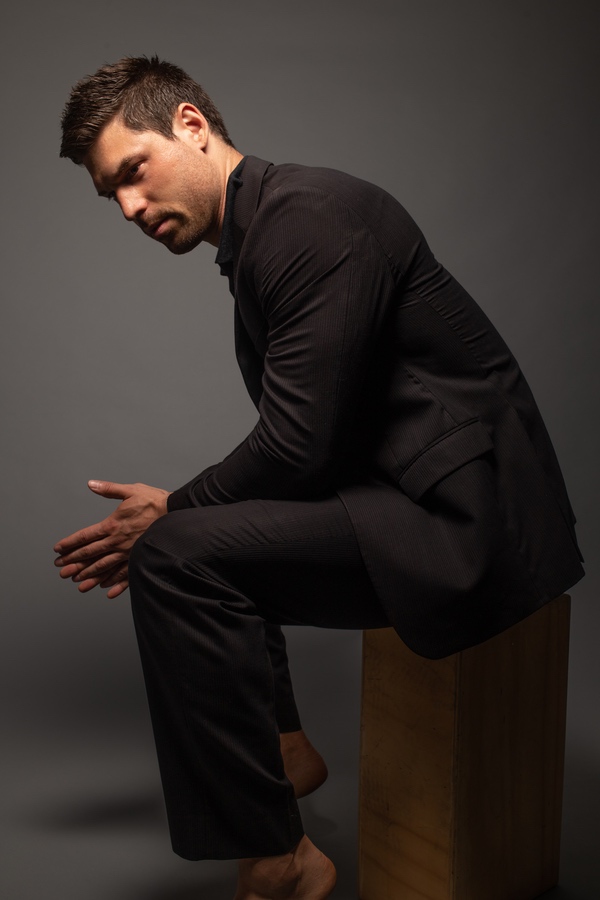
After seven years, actor Josh Murray brings his most personal role — the complicated, undiagnosed, searching Lonnie — to the screen in Gym Rat.
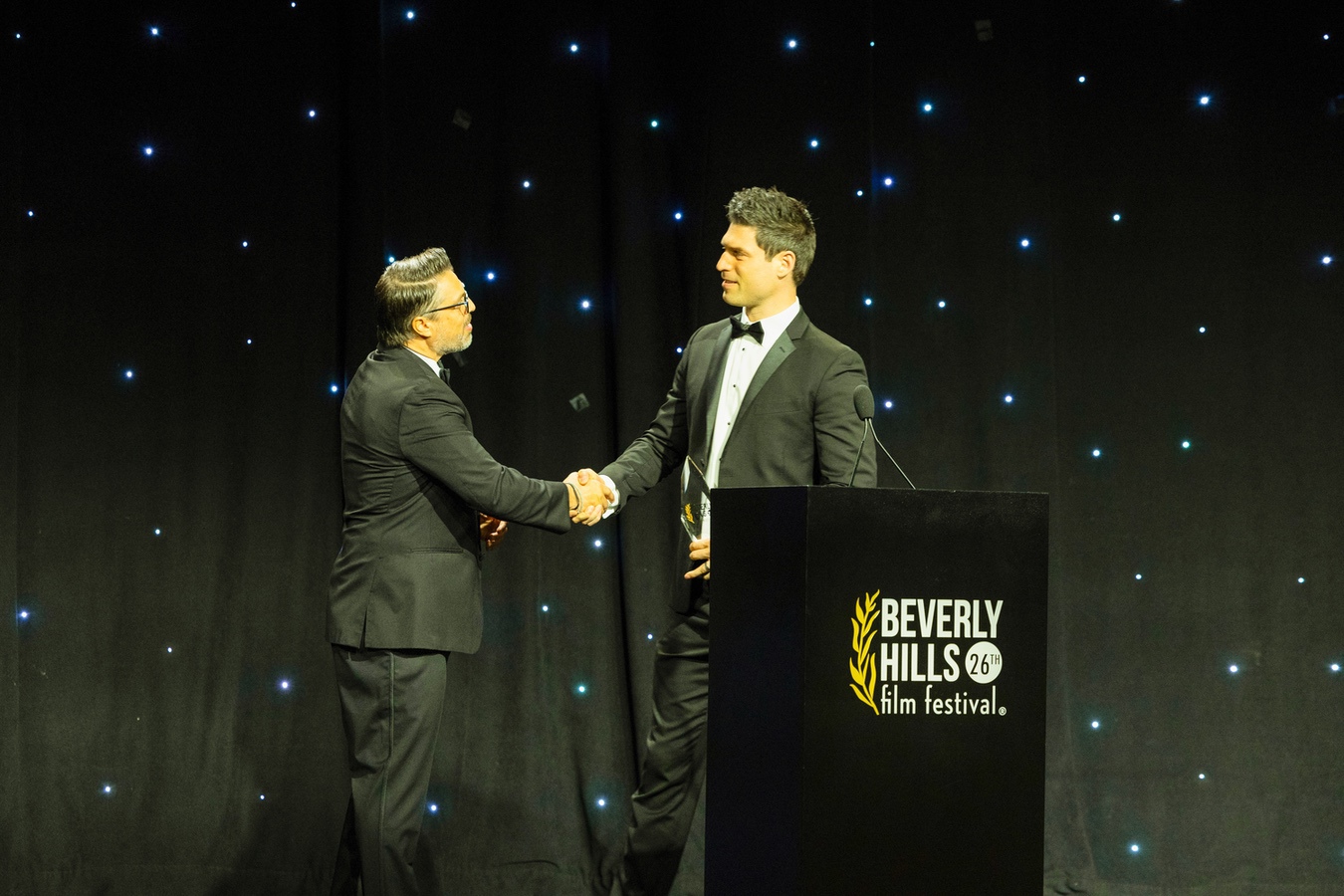
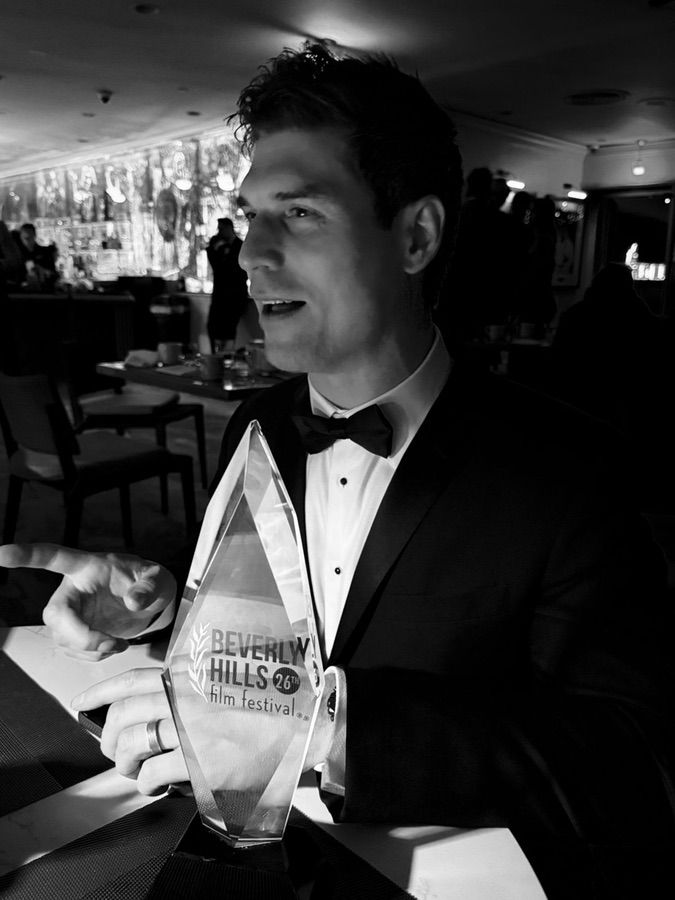
Seven years is a long time to carry a character. For Josh Murray, the journey with Gym Rat was less a film production than a sustained act of faith — through a global pandemic, funding collapses, personal milestones, and the relentless, quiet labor of trying to do justice to a man who doesn’t quite fit the world he lives in. When Murray finally stood on the stage at the Beverly Hills Film Festival to accept the Best Actor award, it was a reunion with every version of himself that had believed in Lonnie long enough to get there.
Lonnie is a study in contradictions: an ex-con who sells steroids for a dealer he fears while genuinely trying to better himself through fitness; a man whose undiagnosed neurodivergence makes every social interaction a performance of normalcy he can’t quite sustain; a protector of the vulnerable who keeps putting himself in harm’s way. In Murray’s hands — and under director Kors’s eye — he becomes something rarer than a cautionary tale. He becomes a person.
We sat down with Murray to talk about obsession, transformation, the psychology of gym culture, and what seven years in the dark with one character teaches you about hope.

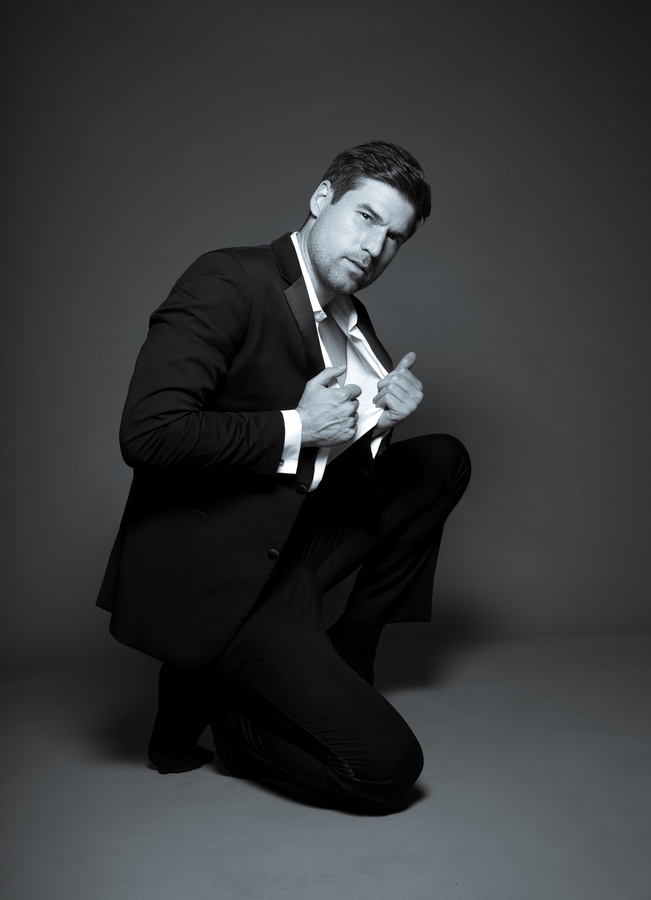
In Conversation: Josh Murray
The film is premiering at the Beverly Hills Film Festival — what does it feel like to finally bring Lonnie to an audience after a seven-year journey with this project?
Having our first public screening in LA, where it all started with filming here seven years before, was truly surreal. We weathered COVID, had crazy production delays, had multiple phases of filming and fundraising, I got married and we had our first child, all while keeping this project and the character on my mind week in and week out. So getting to reunite with people from every phase of the journey along with sharing our work with old friends and new industry peers — hearing the laughs, the gasps, seeing people become emotional — it was all incredibly rewarding. Winning Best Actor there on top of that was the most meaningful recognition I’ve ever received.
Lonnie sells steroids for someone he’s clearly afraid of, but he’s also trying to better himself through fitness. At what point does he realize those two things are pulling him in opposite directions?
I think his relationship with Lena is what causes him to start to gain some perspective. His only focus is on what he can achieve, but she cares about him personally and also has a more informed medical perspective. But knowing better and doing better are very different things — and a big part of the story’s dynamics lives in that gap.
The film is a dark psychological thriller, but it also carries a message of hope. Where does that tonal shift happen?
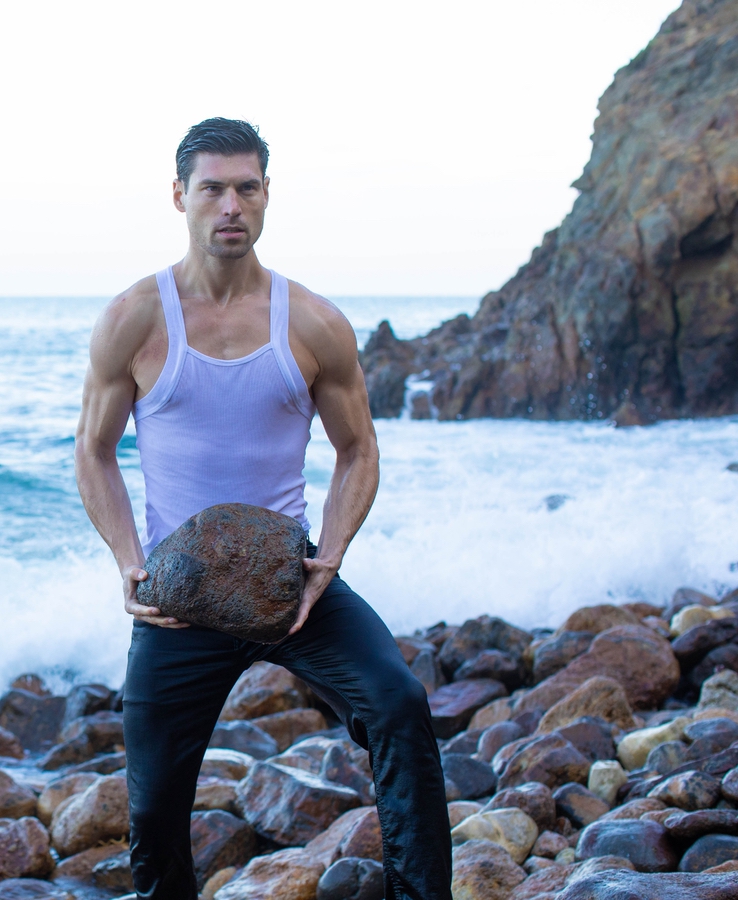
I think there are beacons of hope laced throughout, but Lonnie is too blind to see them most of the time. The love story with Lena is a real source of light — she’s someone who, for maybe the first time in his life, really sees him and cares about him. As is often the case, though, we may have to see rock bottom before real transformation starts.
A villain responds to pain with “no one will ever hurt me like that again.” The hero responds with “I don’t want anyone else to suffer like I did.” It’s when Lonnie is choosing to focus on the needs of others that he’s moving away from the monster inside.
Lonnie’s neurodivergence is undiagnosed within the story. Did you research what that experience is like for people who go through life without ever having a name for what they’re dealing with?
Yes. It was important to me that nothing felt like a caricature or too overt. I did research and talked to people I know who struggled for years with feeling different and misunderstood without understanding why. One thing I really clued in on was how exhausting it can be to constantly perform normalcy — thinking you’re just not good at “doing human” like everyone else when you don’t have a framework to understand how you’re different. There are a few other layers of challenges the character is dealing with that contribute to his behavior, but this was just another dimension that compounds his difficulties dealing with life.
Phillie, the gym owner, is described as “maniacal.” What makes him so dangerous specifically to someone like Lonnie?
Phillie is a true opportunist and he recognizes Lonnie’s needs and insecurities almost immediately. We wanted to explore a kind of twisted father-son dynamic underneath things. Just as there’s something uniquely kindred about Lena, Phillie is the perfect magnet on the negative polarity. He’s definitely Lonnie’s kryptonite.
Lou Ferrigno plays a version of himself, tied to Lonnie’s unhealthy obsession. How do you walk the line of honoring his legacy while using his image as a symbol of something destructive?
Lou Ferrigno isn’t responsible for Lonnie’s obsession. The fantasy in Lonnie’s brain reflects whatever his current state is — he projects onto Lou both what he wants him to be and who Lonnie himself is. Just like with fitness, he takes what can and should be a wonderfully positive pursuit and turns it into something toxic. But Lonnie’s inner “Lou voice” also reflects his positive changes over time. Ultimately, the film honors Lou’s legacy because it shows the impact he had on outsiders and misunderstood kids — how he gave them a champion.
Lena stays by Lonnie despite his struggles — that kind of unconditional support is rare on screen without being romanticized. How does the film avoid making their relationship feel naively hopeful?
Lena isn’t portrayed as being blind to the danger or damage in Lonnie’s journey. The love of a partner alone doesn’t magically heal someone — they have to make their own choices and do their own work. And Lena also has problems of her own that cause her to jump so recklessly into a relationship with an ex-con with addictive tendencies. It’s not all good or all bad. They are two broken people trying to find love in spite of the odds being stacked against them.
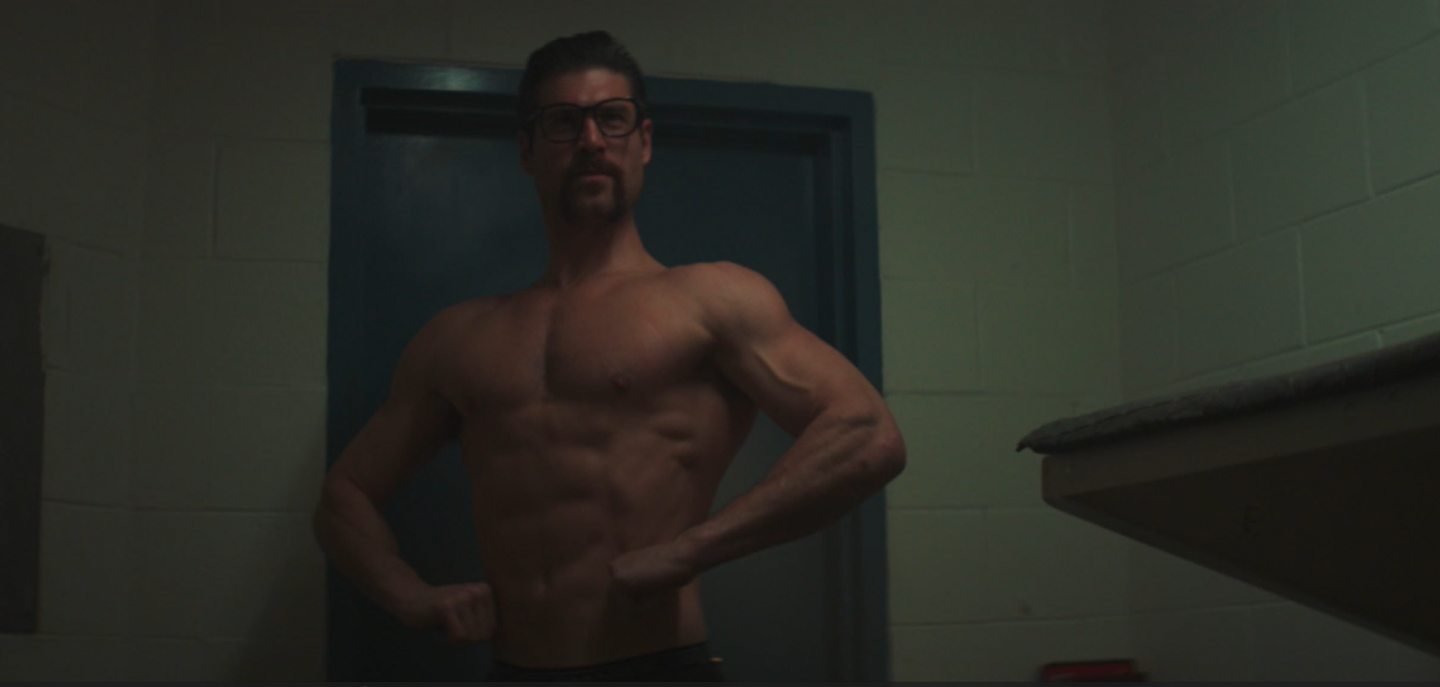
Steroid use in gym culture is often treated as a punchline or an open secret. Why do you think it hasn’t been examined more seriously in film before?
Gym Rat is a film, not a PSA — it’s definitely not reductionist on the topic. Steroid use in the real world ranges from medically necessary to absolutely destructive. I believe the film reflects some of that nuance. My aim is to foster conversations on overall harm reduction rather than simplistic, rigid result-oriented messaging. And to me it really comes down to more of a mental and spiritual equation than a biological and chemical one.
The film tackles recidivism pretty directly. Did making it change your views on how society handles people coming out of incarceration?
I actually spent years involved with prison outreach — our director Kors did too. I worked with inmates in special security segregation and some across multiple sentences. A lot can be said about how the system doesn’t set people up for success on second chances. But I also heard firsthand from guys who recognized how they tried to go through the motions of cleaning up their act without really changing. One moment I’ll never forget: a guy walked in clutching his shattered hand, pacing back and forth. When I asked what happened, he said he’d broken it punching a concrete wall because he was so angry at himself for making the same mistakes over and over. Those are the kinds of struggles I really wanted to reflect in the film.
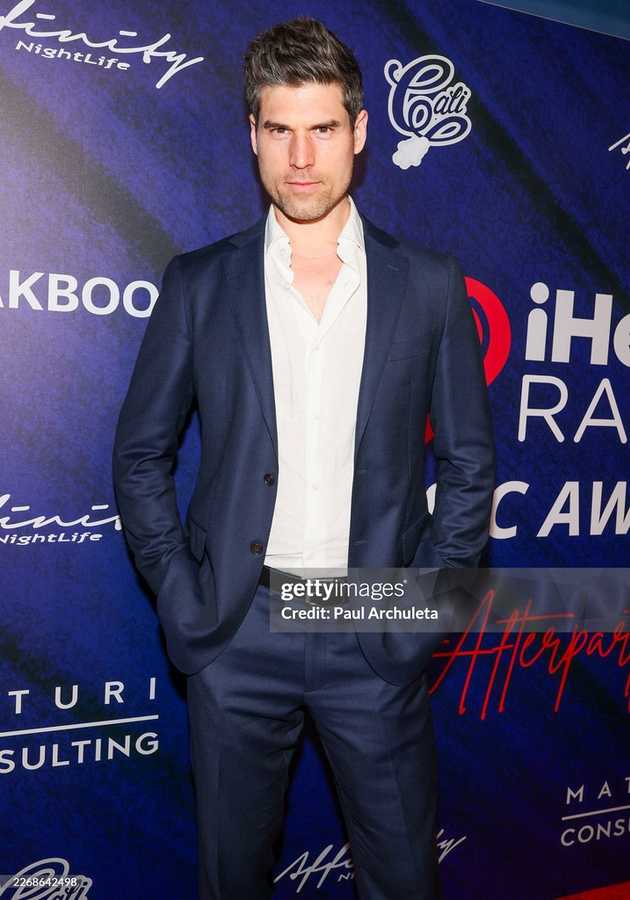
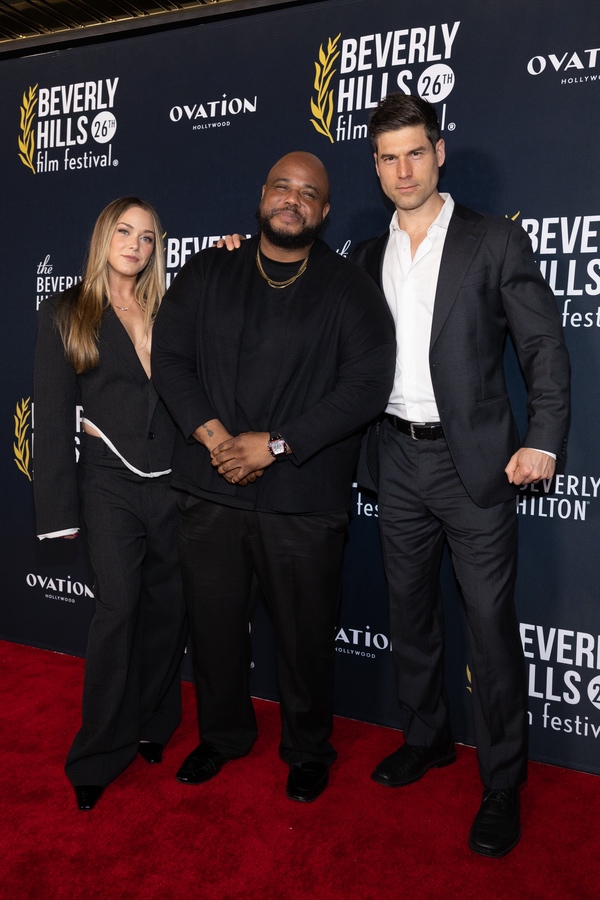
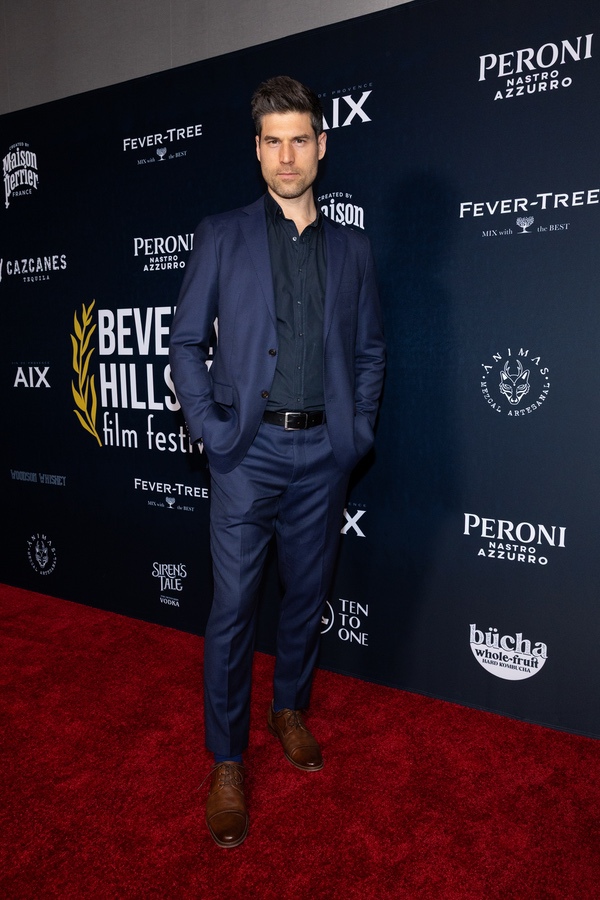
Gym Rat had its world premiere at the Beverly Hills Film Festival, where Josh Murray took home the Best Actor award — a recognition he describes as “more than I had imagined.” The film stars Murray alongside Mariana Vicente, with Lou Ferrigno in a key supporting role.
For Murray, the project represents something beyond a career milestone. It is a record of seven years of living — marriages, births, deaths of drafts, and the hard-won belief that a story worth telling is worth waiting to tell right.
Lonnie may be fictional. But the exhaustion of performing normalcy, the seduction of easy fixes, the small rebellions of loyalty and protectiveness — those belong to all of us.

- MEG FRASER – QUIET STRENGTH - October 9, 2026
- EMPOWERING THROUGH ALTERNATIVE HEALTH - October 4, 2026
- The Role She Never Auditioned For - October 4, 2026
