
A World-Class Art and Design Scene Hiding in Plain Sight
Houston calls itself the “Cultural and Culinary Capital of the South,” and I arrived curious to see whether the title was Texas-sized bravado or the real thing. As a Design Tourist, I’m always chasing cities that reveal themselves slowly, not through a checklist of attractions, but through conversations, cuisine, and the creative people who give a place its pulse.
I’ll admit, when I first landed in Houston, I carried a cliché or two in my suitcase. You know the ones: tumbleweeds, dusty streets, maybe a cowboy hat tipped against a blazing sky. The Houston I met was lush, green, almost tropical, with boulevards shaded by sprawling oaks and streets humming with creative energy.
Long stereotyped as the land of oil, freeways, and big business, the Houston I discovered celebrates art in all its forms, folding craft, cuisine, folk art, underground creativity, quirky and unconventional expression, fine arts, and performing arts into the rhythm of everyday life. Skyscrapers bloom with murals. Boutiques double as design studios. Crawfish boils get tossed with lemongrass, garlic, and butter. Even the airport greets travelers with working artist studios.
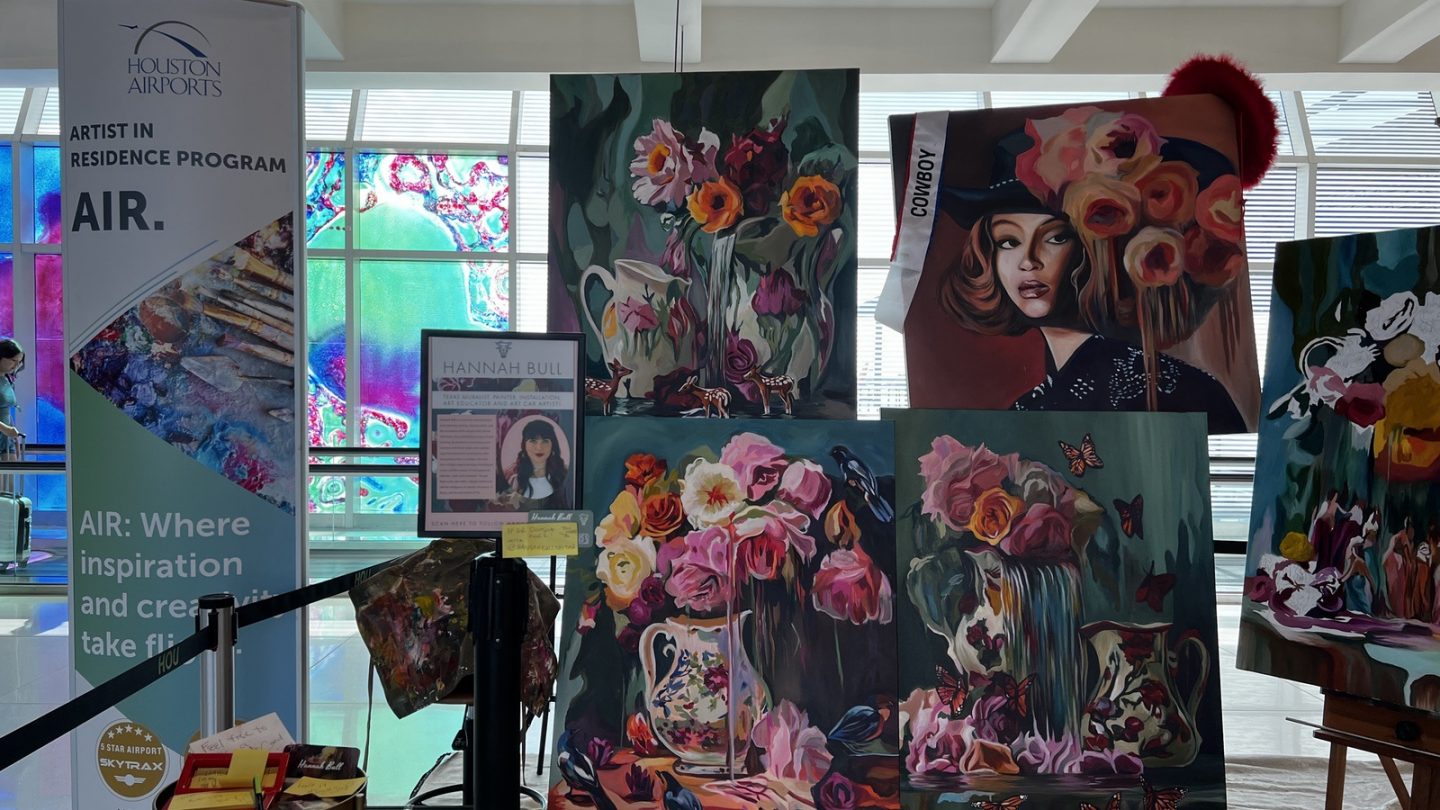
My design journey began the moment I arrived at William P. Hobby Airport, where art is not an afterthought but part of the airport’s cultural mission. The Skybridge Gallery doubles as a working studio through Houston Airport’s artist-in-residence program, allowing travelers to meet artists creating in real time.
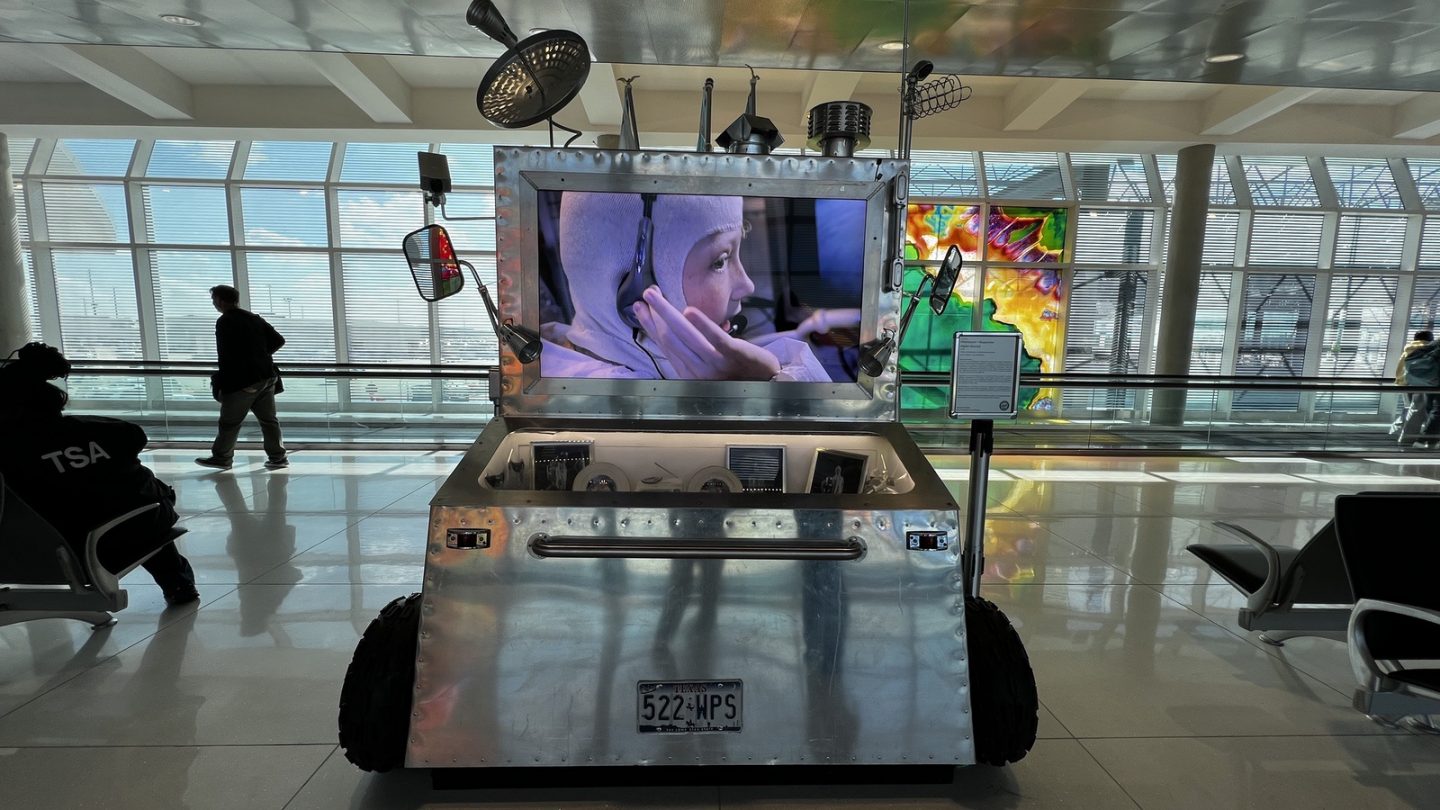
It’s a rare thing these days to experience an airport that makes your soul smile — especially in a place so often associated with stress, crowds, hurried security lines, and the chaos of rolling suitcases. Colorful glass mosaics flood the corridor with kaleidoscopic light, while installations such as Higher Ground invite visitors to dream big before takeoff. It is Houston’s way of saying, before you even reach baggage claim, that imagination lives here.
That spirit carries throughout the city, where Houston’s art and design scene reveals itself in farmers’ markets, murals, industrial relics, public parks, and unconventional canvases. Houston deserves its place on the art and design lover’s map because its creative energy feels eclectic, unconventional, and deeply rooted in place — the kind of momentum drawing Untitled Art, a staple of Miami Art Week, back to Houston in October 2026 for its second edition. The internationally acclaimed contemporary art fair will bring galleries, artists, cultural partners, commissions, and citywide programming into Houston’s creative ecosystem. It is another signal that Houston has evolved from an “unexpected” creative city into a world-class destination for art and design lovers.
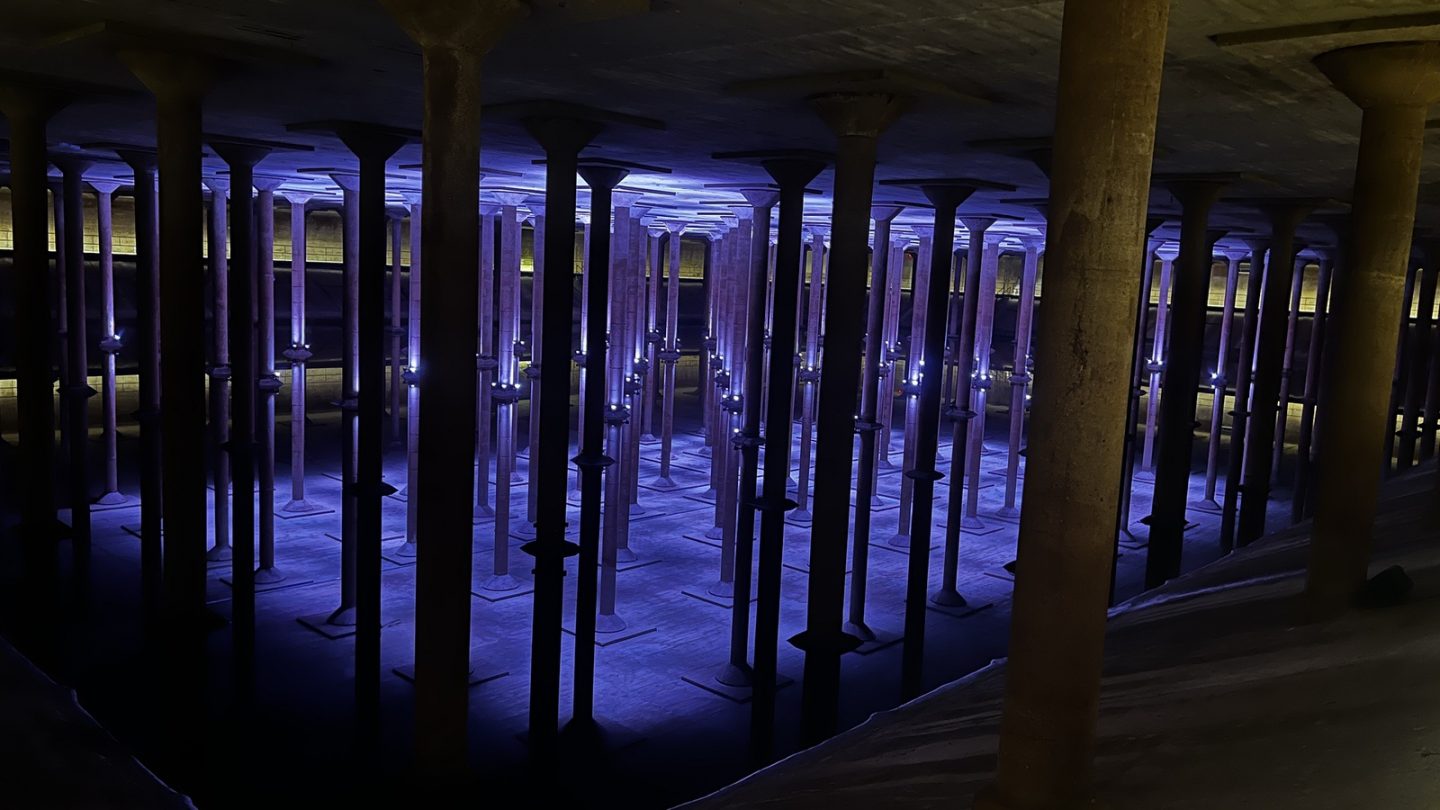
Downtown gives me my first glimpse of Houston’s artistic heartbeat. Before my gaze goes skyward to Houston’s murals, I head underground to the Buffalo Bayou Park Cistern, tucked beneath the downtown waterfront. It feels less like a public park and more like a secret portal. Descending into the space, I felt as though I were entering Houston’s own version of Atlantis, a hidden, watery world suspended somewhere between mythology and imagination.
The city built the Cistern in 1926 as an underground drinking water reservoir capable of holding 15 million gallons. When an irreparable leak forced its closure in 2007, the space disappeared beneath Houston’s busy surface. Buffalo Bayou Partnership rediscovered it and transformed the reservoir into one of the city’s most hauntingly beautiful cultural spaces.
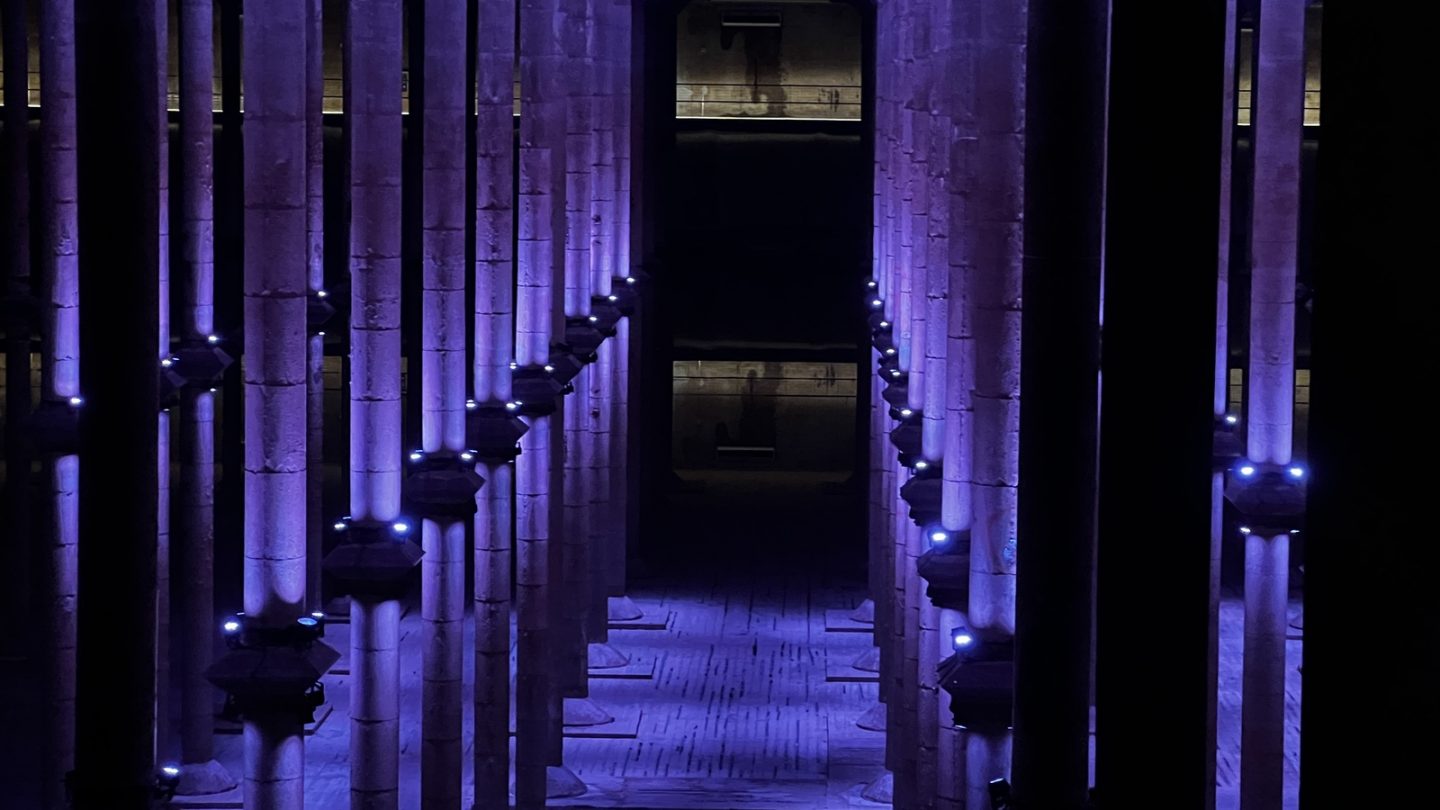
Inside, 221 slender concrete columns rise 25 feet from a shallow pool of water. The water is only about 10 inches deep, but it behaves like a mirror, multiplying the columns into infinity and making the floor appear bottomless. The effect is surreal — part ancient temple, part industrial dreamscape. The Cistern is famous for its 17-second echo, a strange and mesmerizing acoustic quirk that transforms even the smallest sound into something haunting and atmospheric.Today, the Cistern hosts light, sound, and site-specific installations along with public tours.
Back above ground, I explore what locals call the city’s “mountain range” — skyscrapers, many clad with towering murals. Downtown spans more than 300 blocks with creative curb appeal fostered by The Houston Downtown Mural Program. The non-profit organization has brought more than 50 large-scale murals to downtown facades, created by local and international artists. “We have artists from Iran, Ukraine, South Africa, all across Latin America, Europe, and local Houston talent too,” says Ann Taylor of Downtown Houston Plus.
What makes the murals especially compelling is that each one speaks to a larger human theme. Collectively, the works reflect the United Nations Sustainable Development Goals, making downtown Houston feel like an open-air gallery with a conscience. From Lady Justice at 1019 Congress Street, Victor Ash’s powerful piece inspired by Harris County Remembrance Park, to Ana Marietta’s Sharing the World, an ode to Houston’s many languages and multicultural spirit, each mural has a story to tell. Visitors can scan plaques at each site using an app to unlock augmented reality layers.
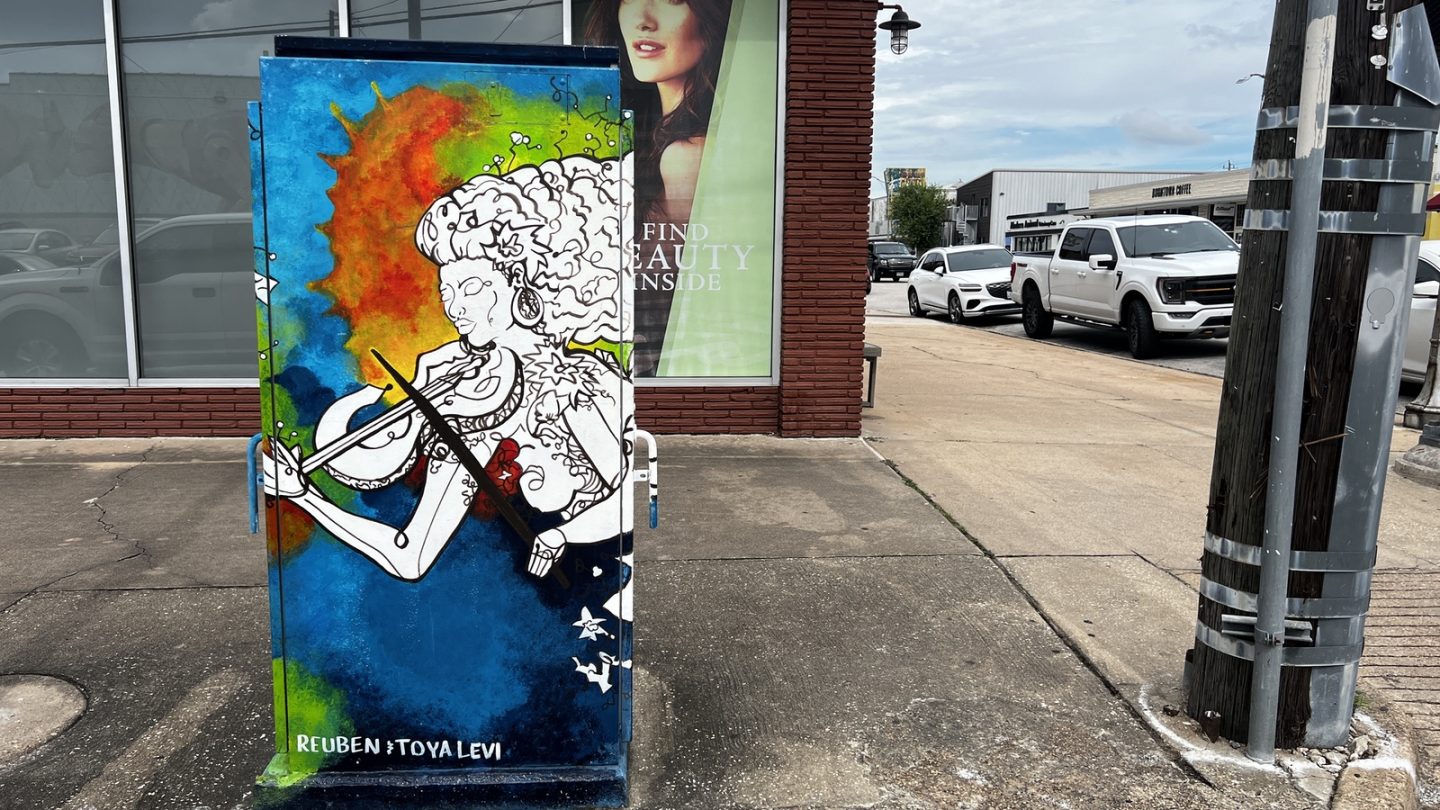
Walking through Houston feels like an ongoing treasure hunt, with surprises waiting at every intersection. Mini murals dot the city on traffic signal boxes, as visual surprises from UP Art Studio. The program gives local artists a platform to showcase their work, transforming utility cabinets into colorful tributes to culture, history, and neighborhood pride.
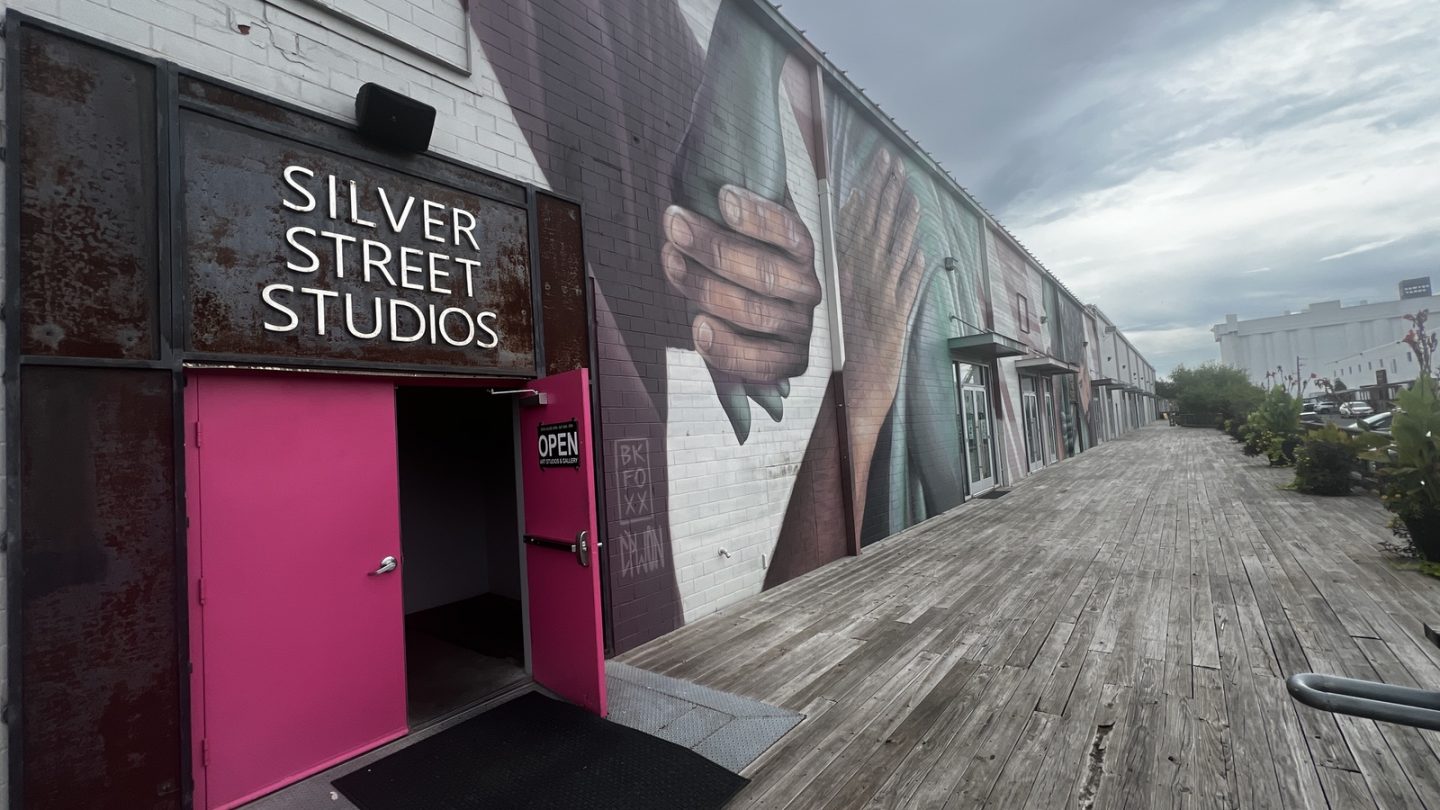
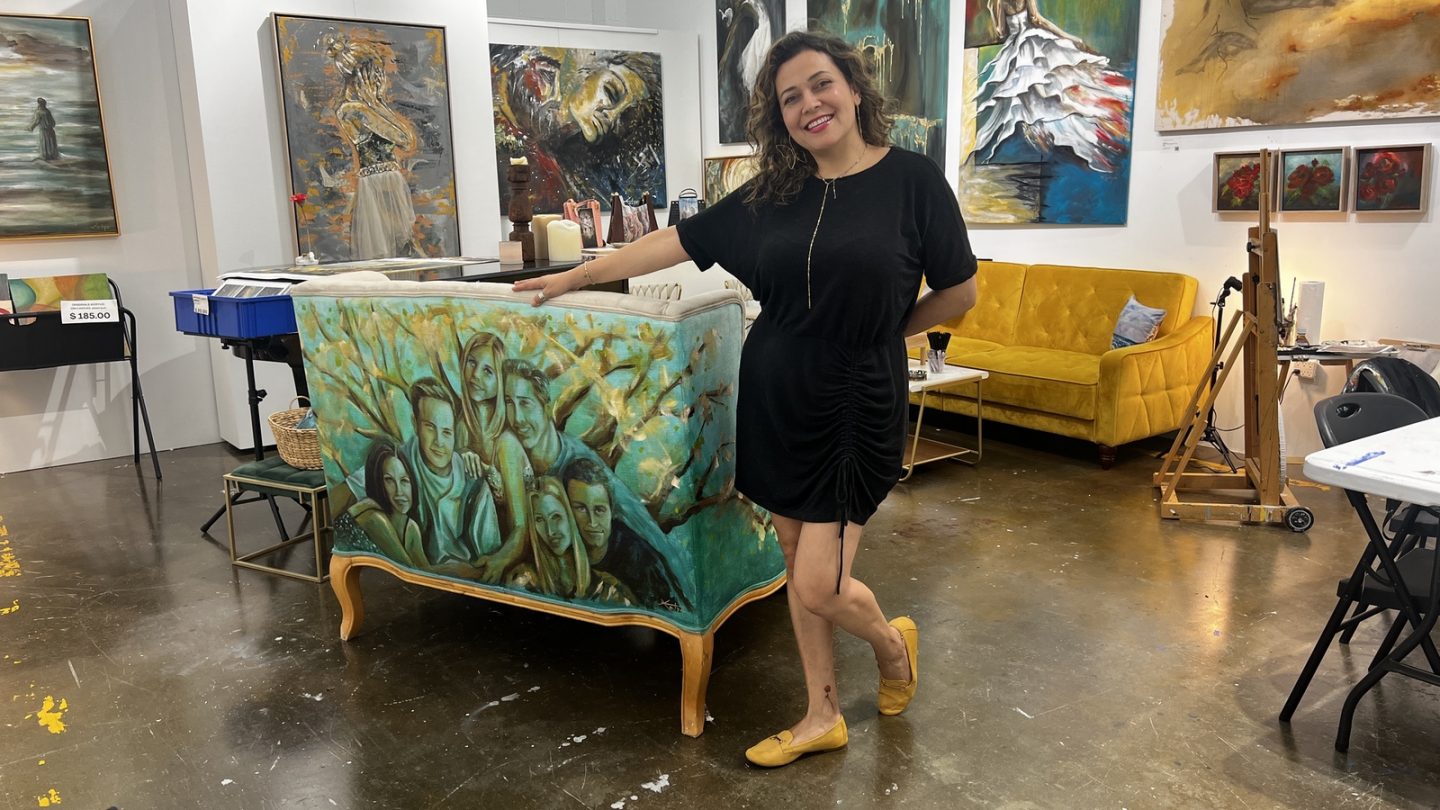
From the streets, I followed Houston’s creative current into its industrial past. Just minutes from downtown, Sawyer Yards has transformed former warehouses and industrial buildings into one of the nation’s largest creative campuses. The complex is home to hundreds of working artists, studios, galleries, and maker spaces.
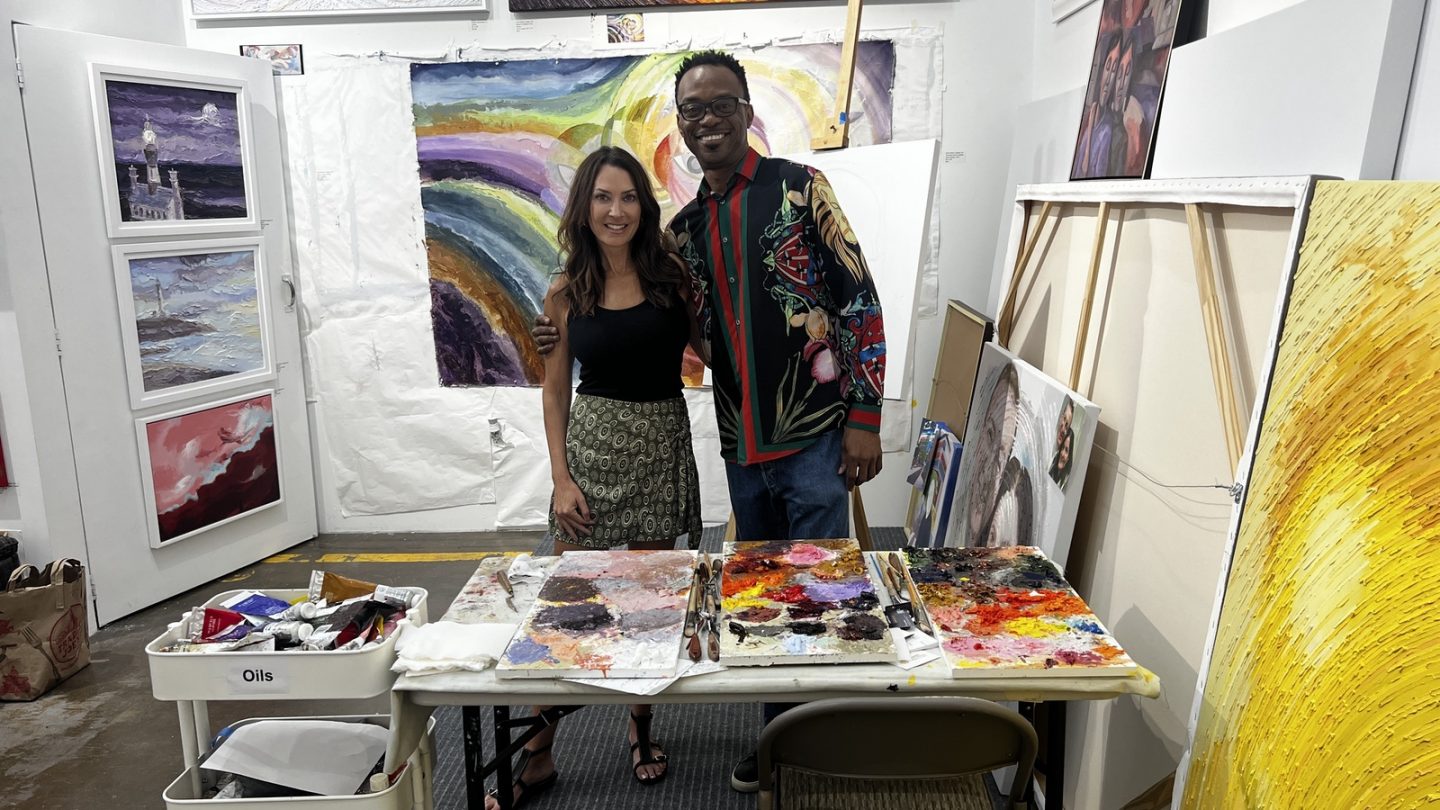
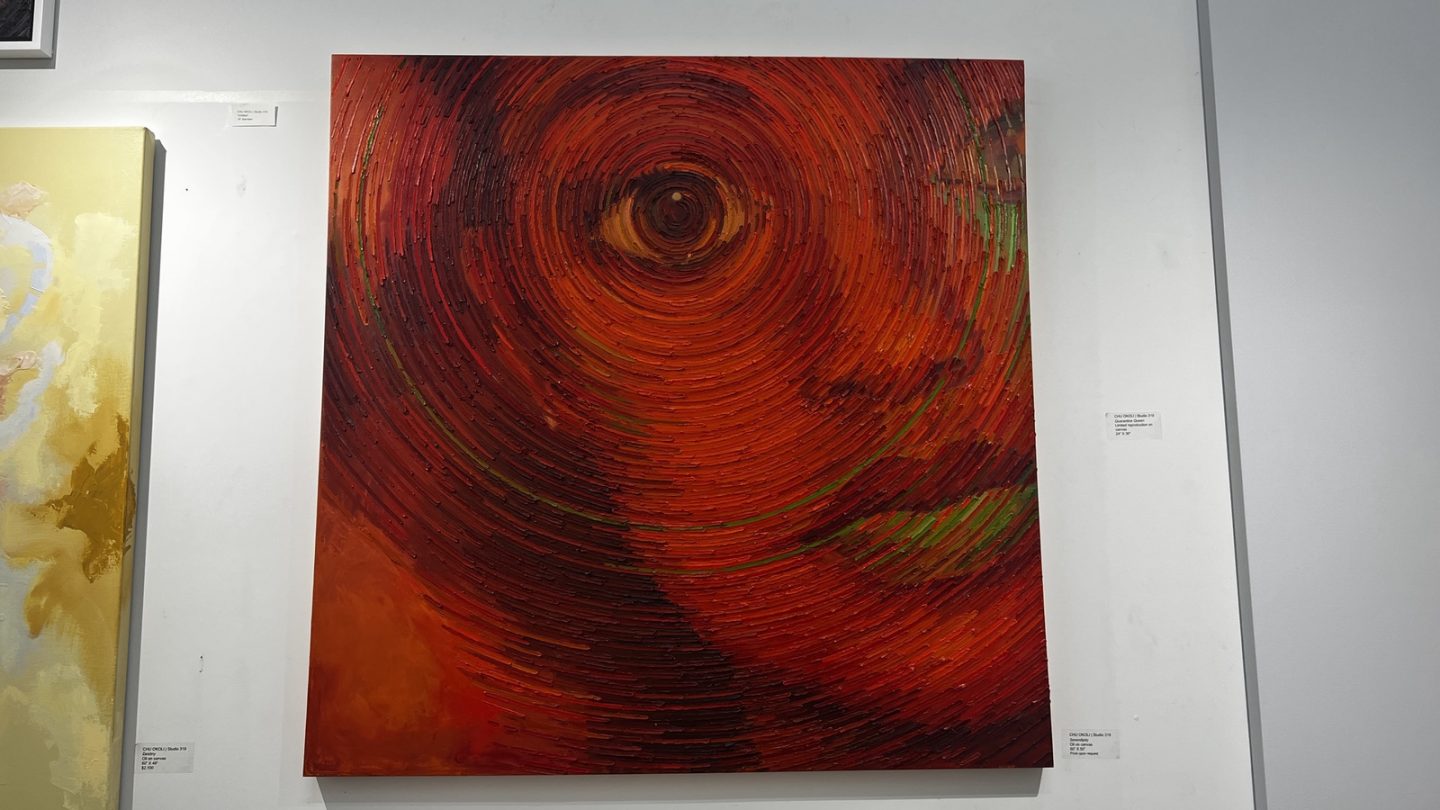
I visited on a Saturday, which is the ideal time to wander with no agenda except curiosity. I found artist Chu Okoli at work in his studio, painting his signature layered circle portraits and images. Chu paints overlapping circles as a way of capturing what he calls “a consistent and prevalent form of energy in the universe.” His inspiration comes from atoms, sound waves, pebbles, and planets. “I create these circles all freehand to achieve precision and fluidity,” he told me. “There are no tools or mechanical devices involved in creating my reality. Everything in the universe is cyclical, and that idea is what I capture on canvas.”
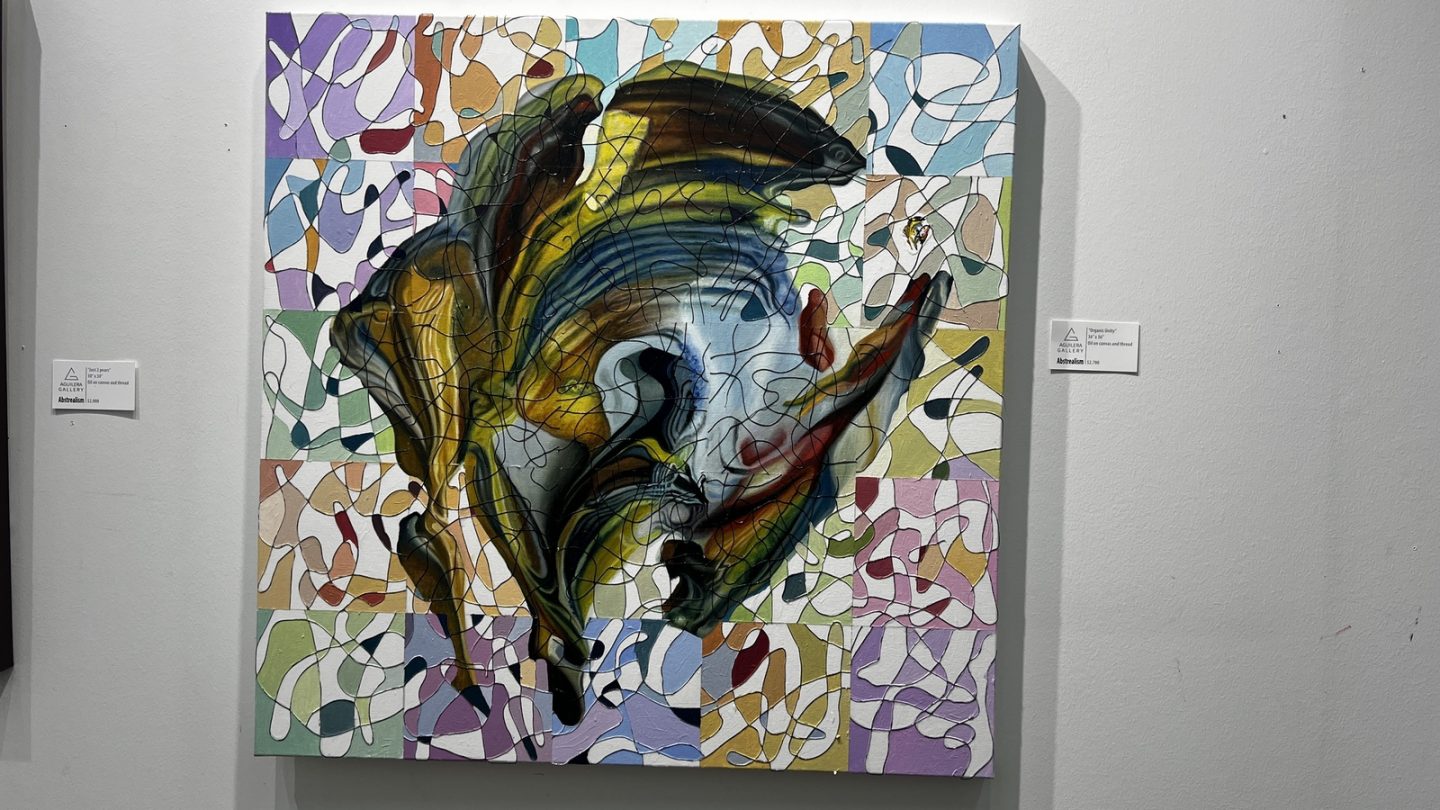
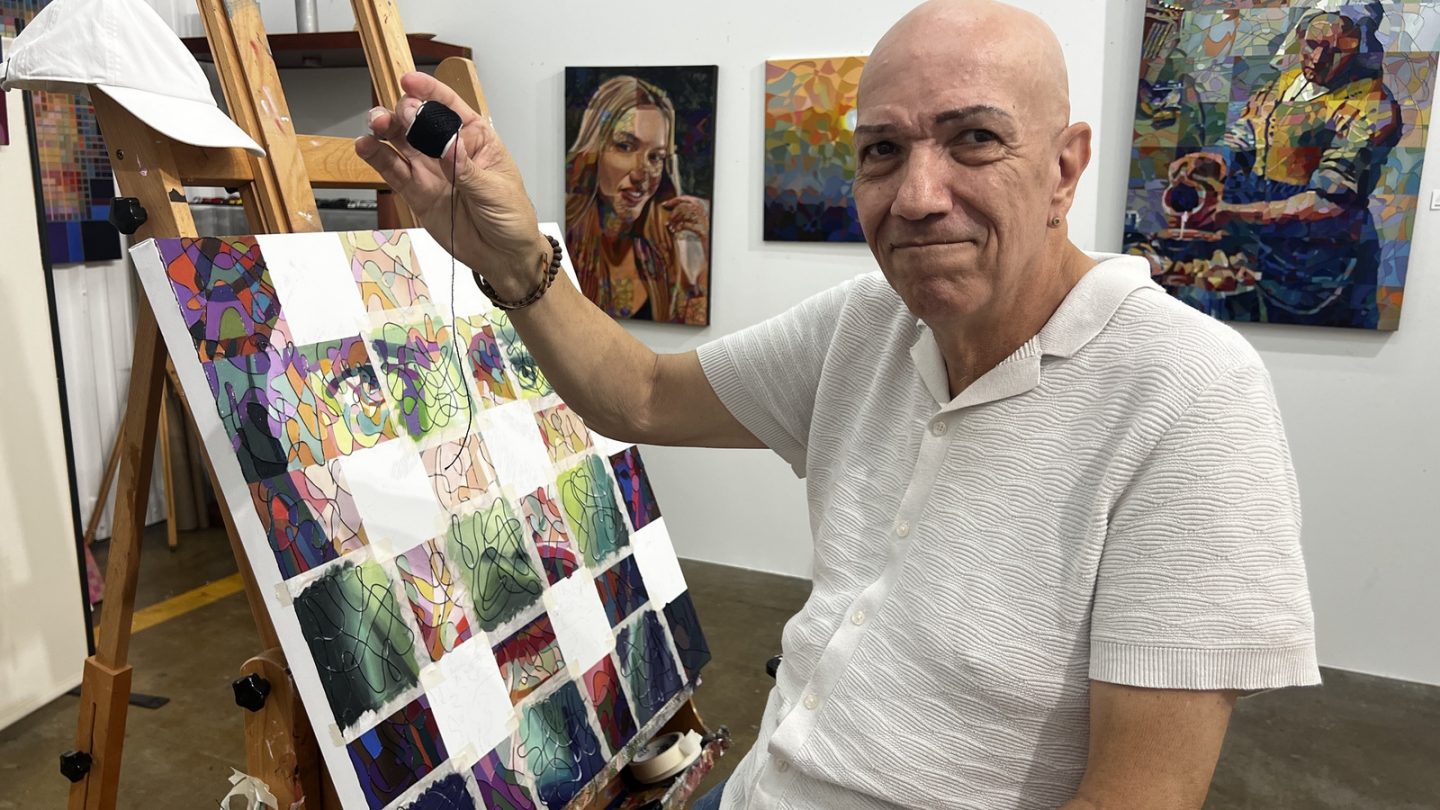
A few doors down, I met Rodrigo Aguiliera, who was gluing thread in mosaic-like patterns across a canvas. He creates abstract-realist works by painting within threaded shapes he calls organic pixels. It was mesmerizing to watch — part patience, part precision, part quiet obsession. What I love about studio visits is the way they offer a glimpse into the artist’s mind and creative process.
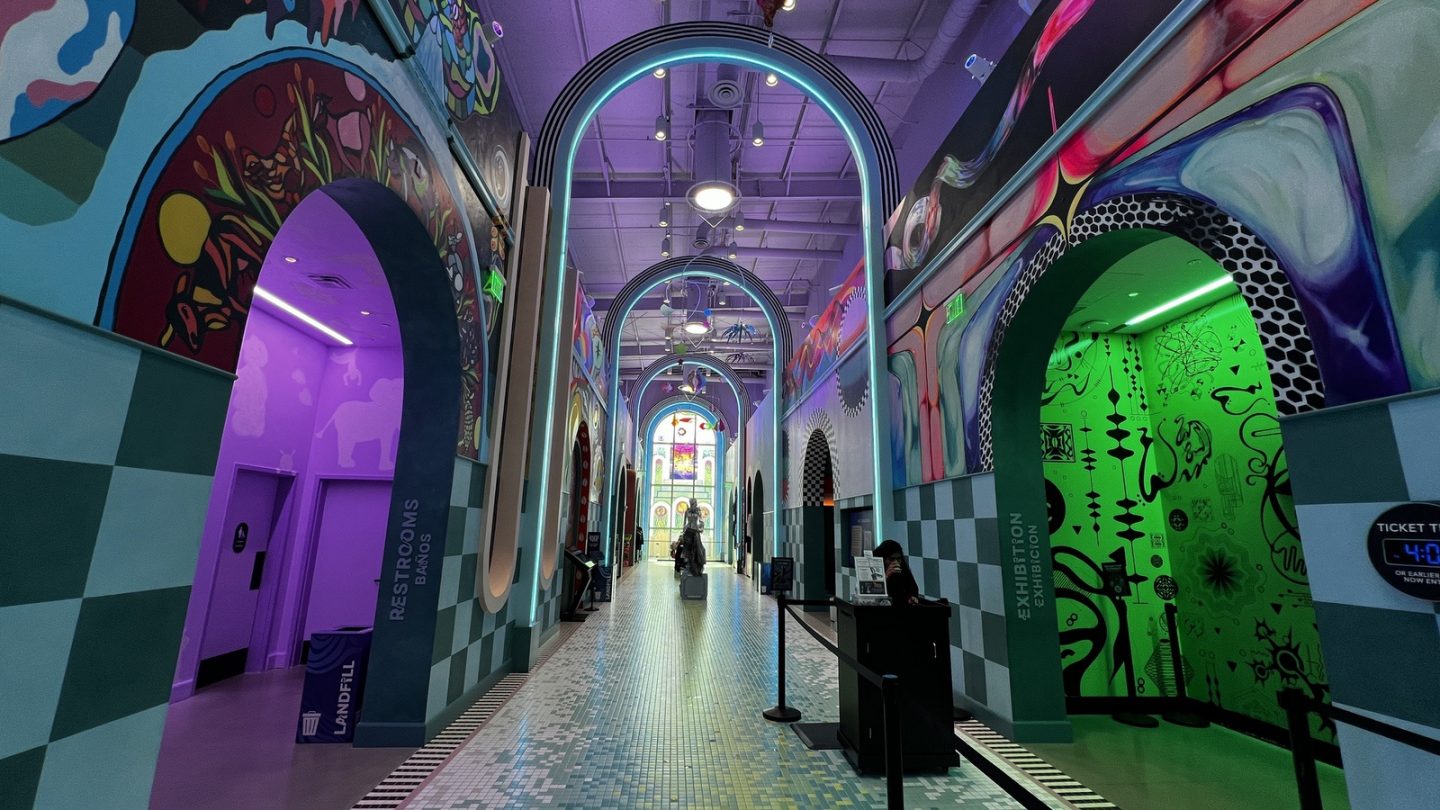
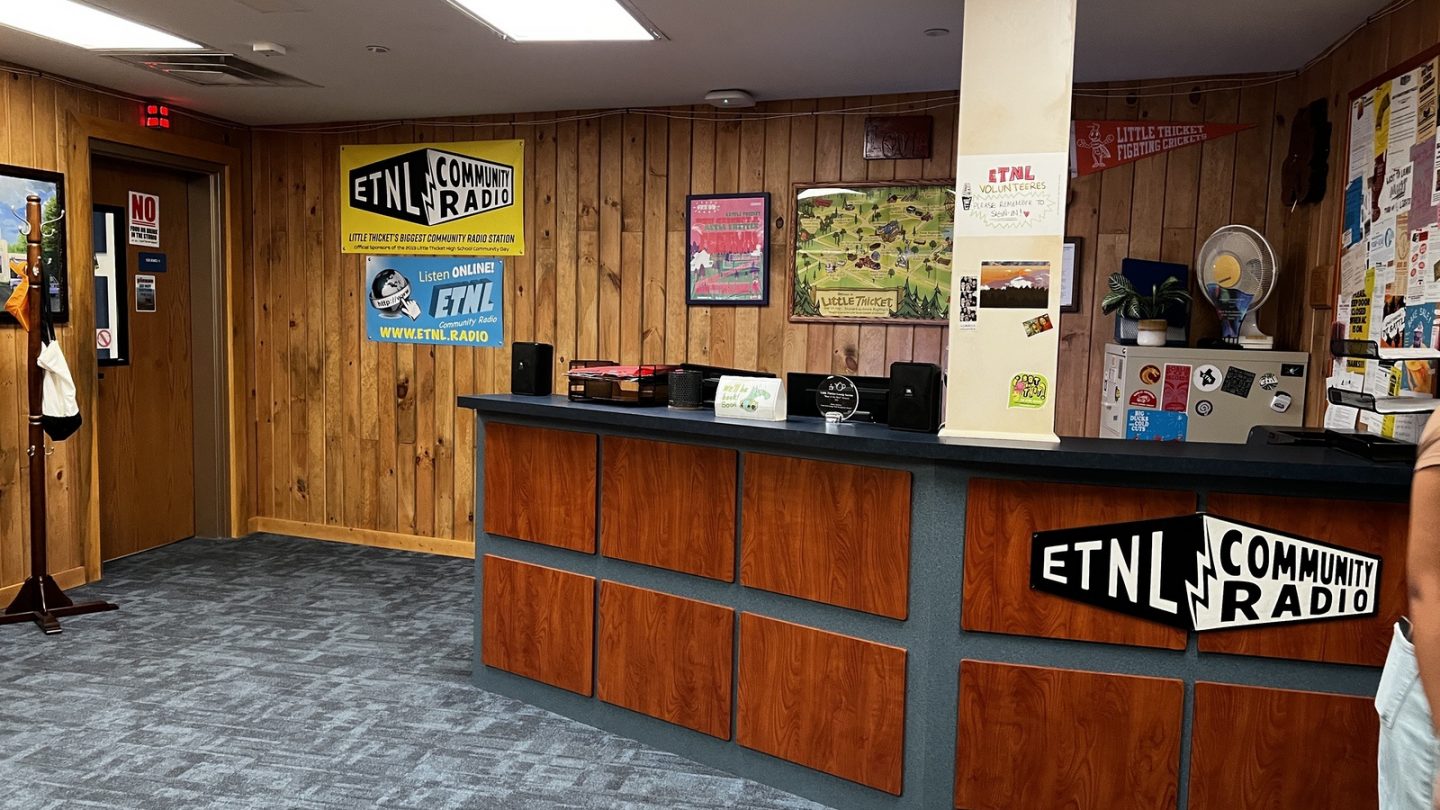
A few miles away, the art scene borders the surreal at Meow Wolf Houston. The mind-bending immersive art experience invites visitors to roam through a maze of mind-blowing rooms pulsing with colors, lights, objects, and sculptures that overload the senses. I got lost inside this escape room experience that began with a radio station and somehow led me through a refrigerator door into other dimensions.
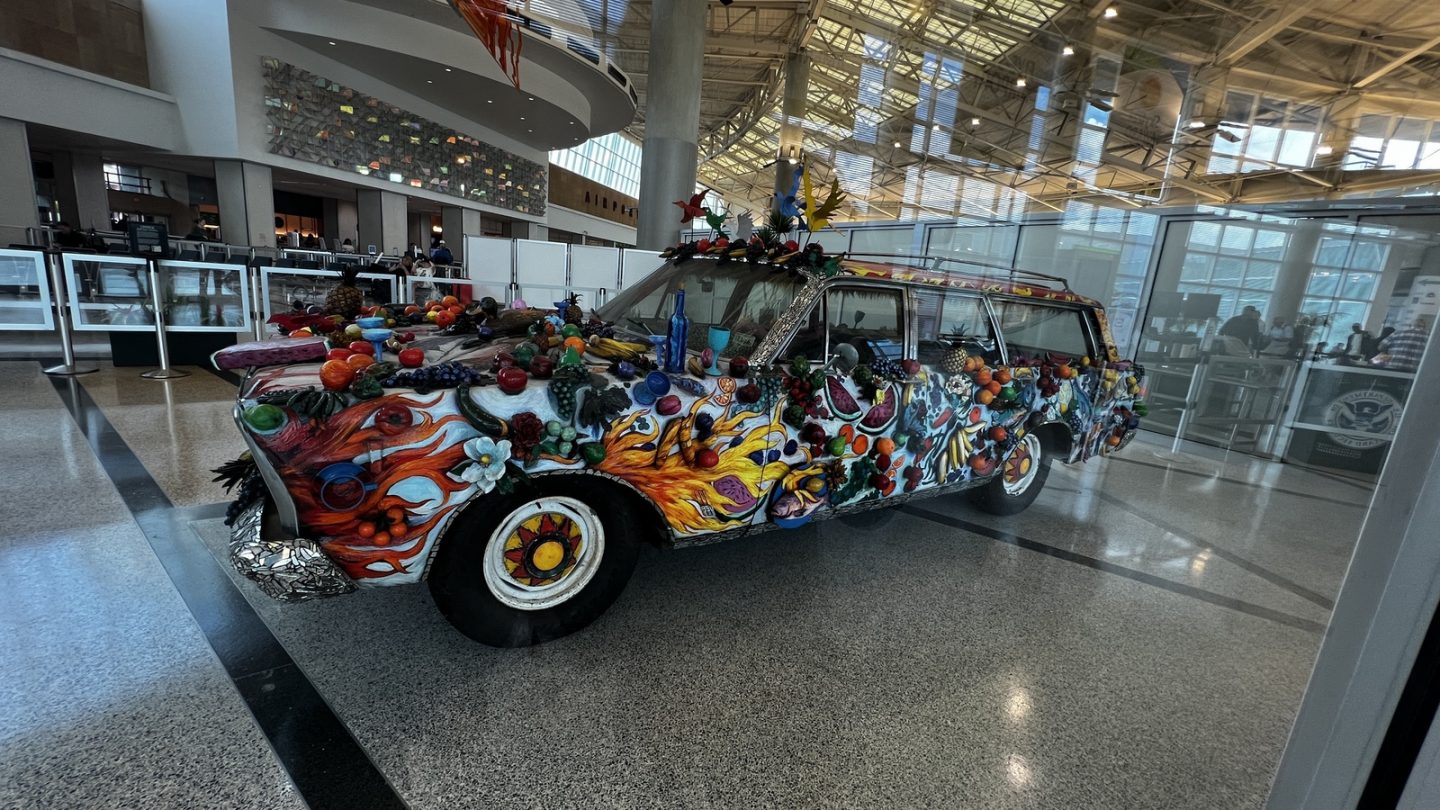
Houston’s love for unconventional creativity also rolls on four wheels. The city is known for its annual Art Car Parade, hosted by the Orange Show Center for Visionary Art, a nonprofit hub of Houston’s folk and visionary art scene. Each spring, more than 250 decorated vehicles roll through the city in a spectacle of color, humor, engineering, and experimentation. Professional artists, amateur makers, car lovers, and joyful eccentrics all share the road. The result is part parade, and part performance art that reveals something essential about Houston: this city has a soft spot for the self-taught, the handmade, and the wonderfully weird.
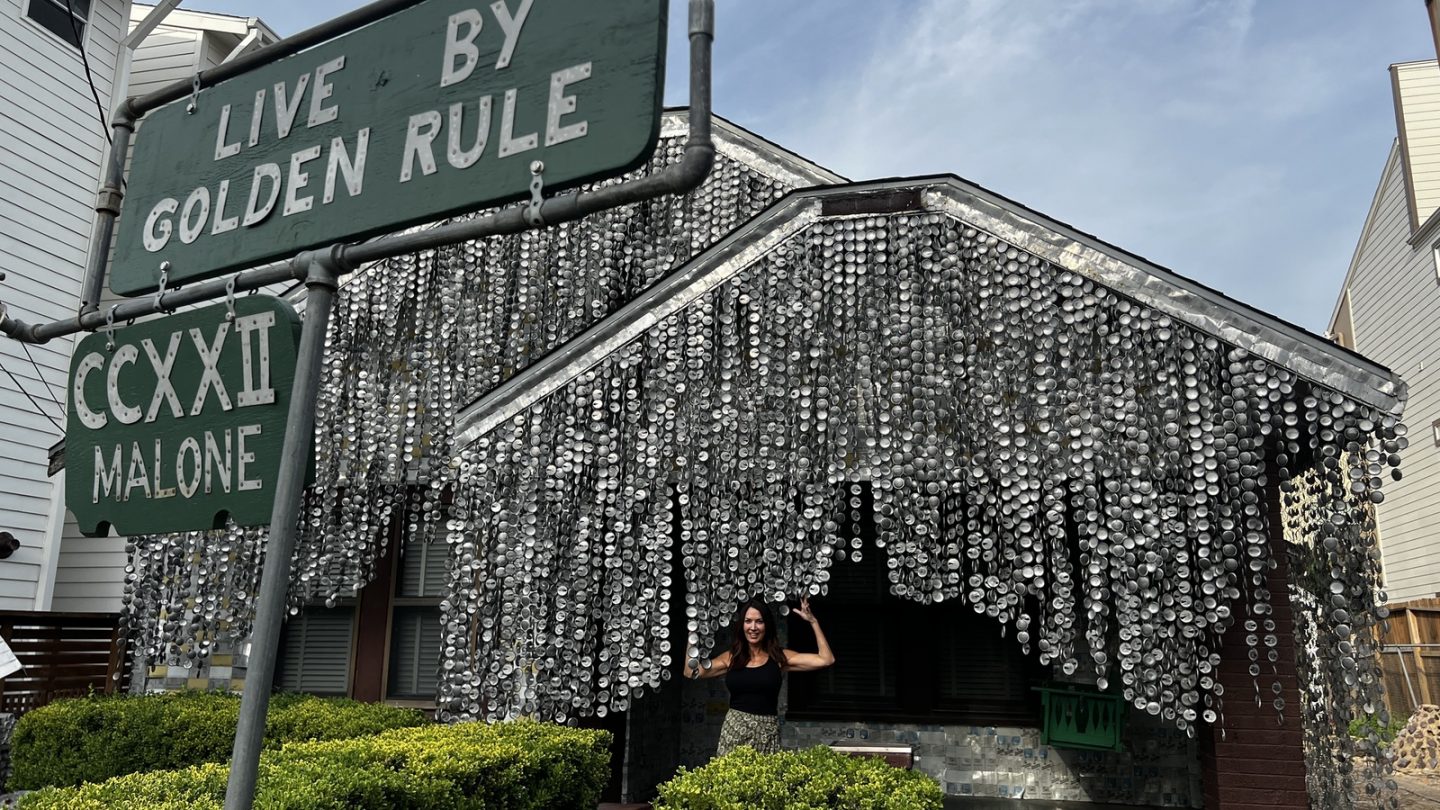
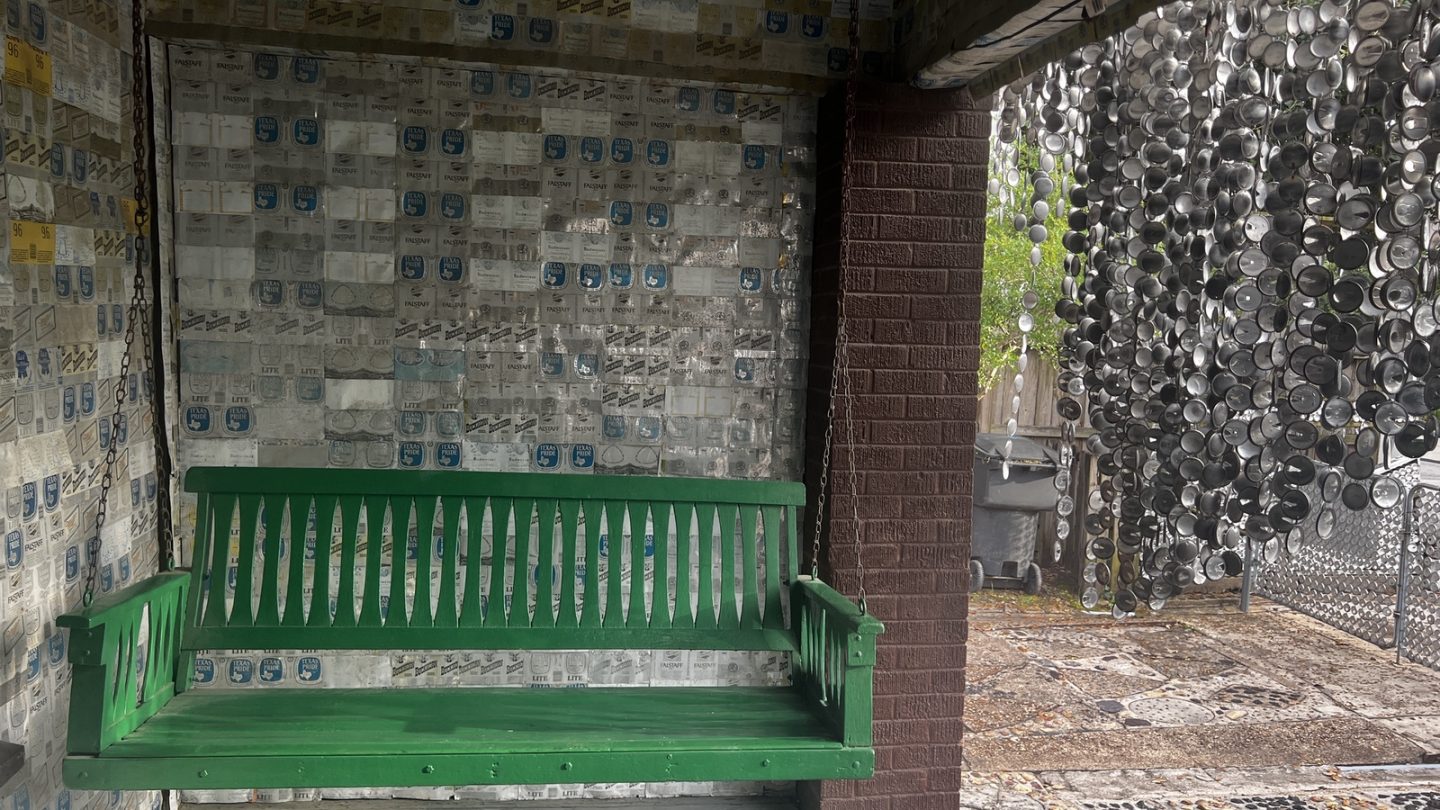
The Orange Show Center for Visionary Art also owns and maintains the legendary Beer Can House. Retired railroad worker John Milkovisch spent 18 years covering his home’s façade with aluminum, empty beer cans, and countless parts and pieces. Even the garlands of beer can lids hanging from the roofline chime in the wind.
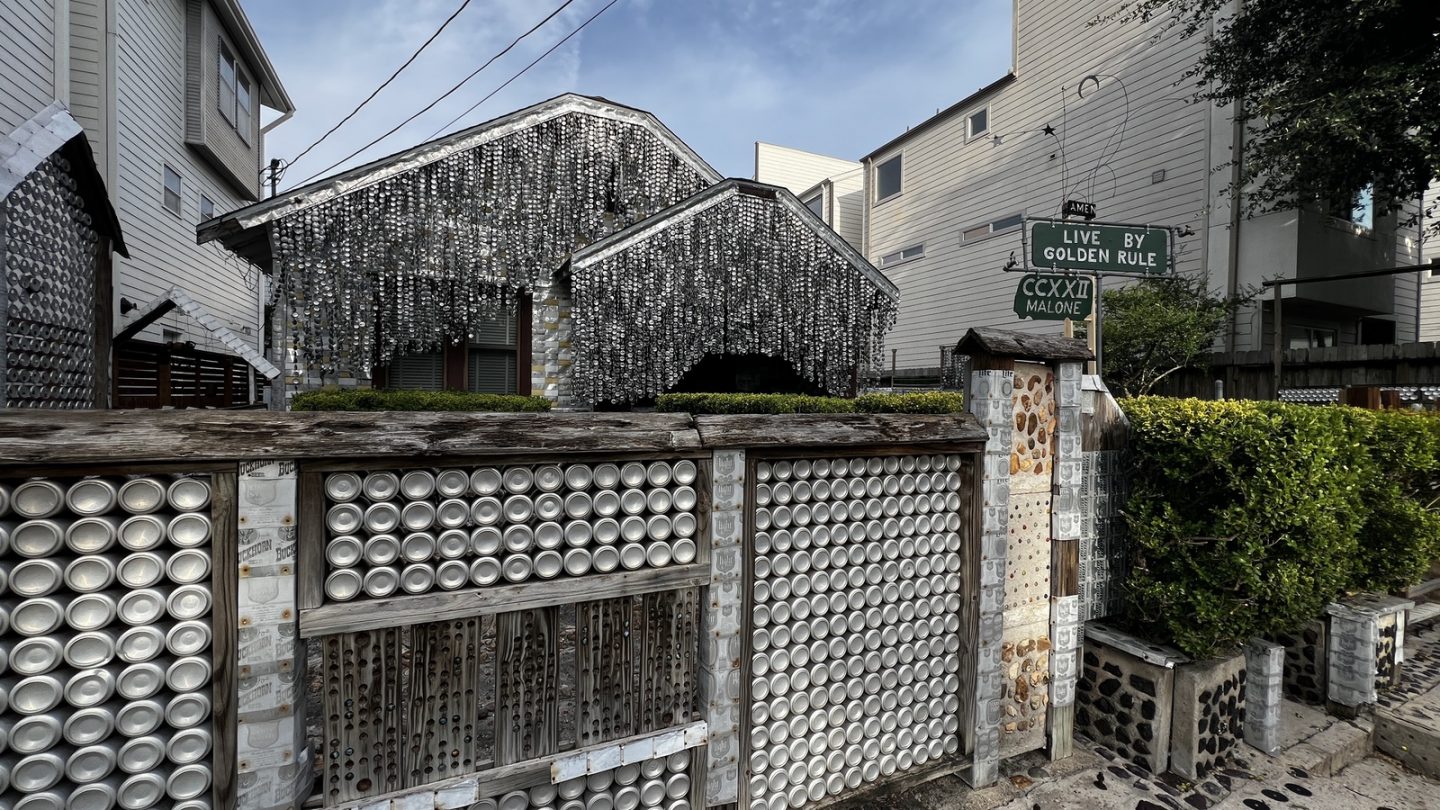
Houston protects and celebrates that kind of eccentric devotion to artistic expression while also promoting its world-class fine arts offerings. The Theater District is home to resident performing arts companies spanning major disciplines, while the Museum District gathers major institutions, including the Museum of Fine Arts, Houston; the Houston Museum of Natural Science; Holocaust Museum Houston; and the Menil Collection.
What I appreciate about Houston is the way formal and informal creativity coexist. You can spend the morning at a world-class museum and the afternoon in the futuristic, neon-lit art and international-food world of POST Houston. The massive former post office stands as one of Houston’s most ambitious examples of adaptive reuse. The industrial concrete structure reinvents the food hall experience with international concepts, anchored by the dramatic X-shaped staircase that begs to be photographed. Here, I sampled ChopnBlok, Chef Ope Amosu’s modern West African concept celebrating his Nigerian roots. My dish, The Golden, was layered with smoky jollof jambalaya, turkey sausage, yaji-grilled chicken, honey-coconut curry, plantains, and spiced vegetables.
POST also houses immersive new-media art experiences with rotating exhibits and a rooftop greenspace. Skyfarm brings sustainable urban agriculture to the skyline, with sweeping views of downtown Houston. Standing up there, it was easy to see the city as a living collage: concrete and crops, and colorful murals.
One of Houston’s buzziest cultural destinations is the Ismaili Center along the Allen Parkway corridor near Montrose. Part of a worldwide network of Ismaili Centers, it offers a place for spiritual reflection, cultural exchange, and public dialogue. The center houses a permanent art collection organized around seven themes that highlight shared human values, hosts events such as its International Lecture Series, and invites visitors to wander through lush gardens filled with Texas-native plants.
Houston’s creative class of designers, vintage curators, and craftspeople is also reinventing what it means to shop local—my advice: skip the malls and opt for independently owned shops. Persa Place is an enclave tucked into a quiet residential neighborhood and filled with indie fashion and maker energy. There, I met Brooke Wise, known as the “Levi’s Whisperer” for her uncanny ability to size up a customer and match them with the perfect pair of vintage jeans. “Vintage Levi’s are my best sellers, but I love one-of-a-kind things that are not what everybody else is wearing.” Brooke told me.
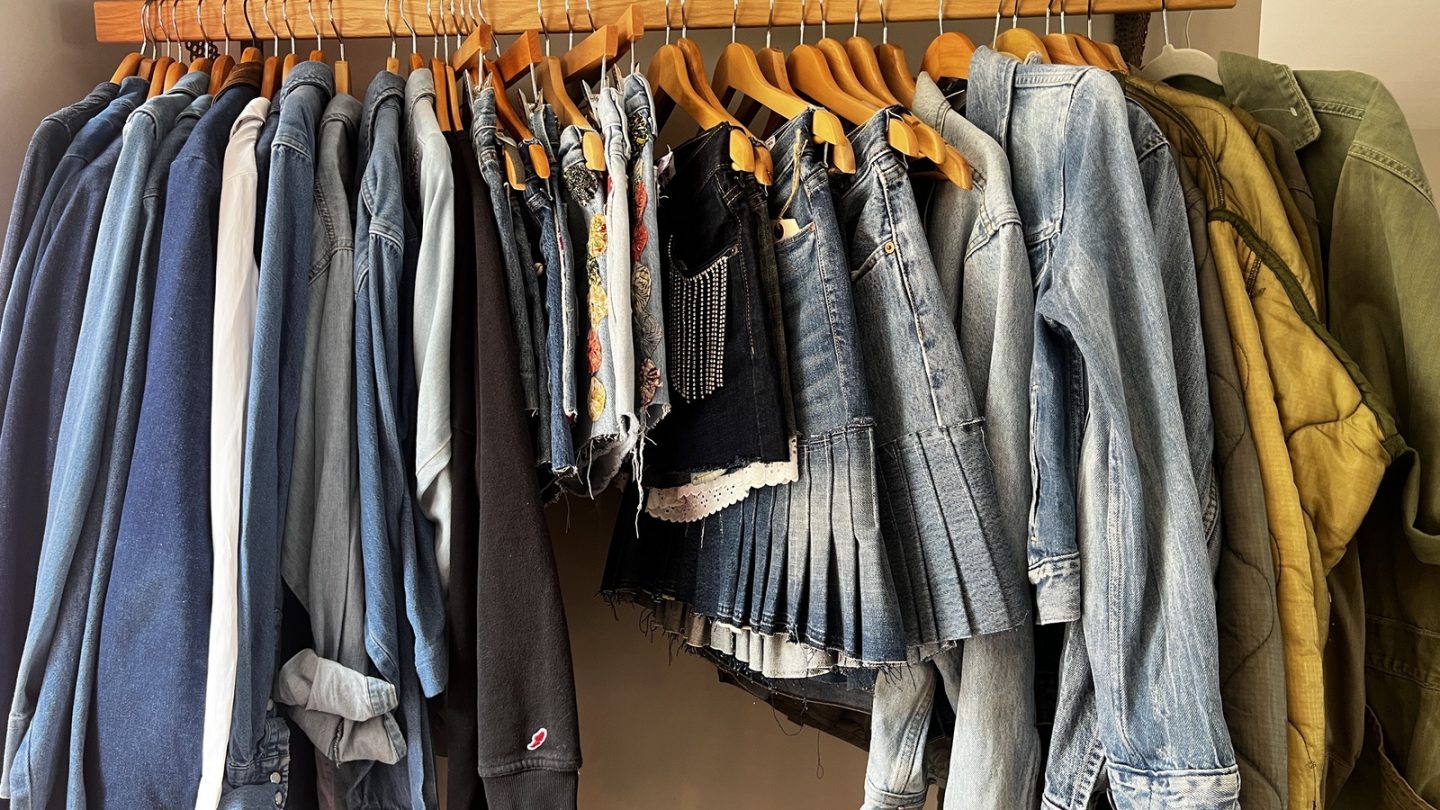
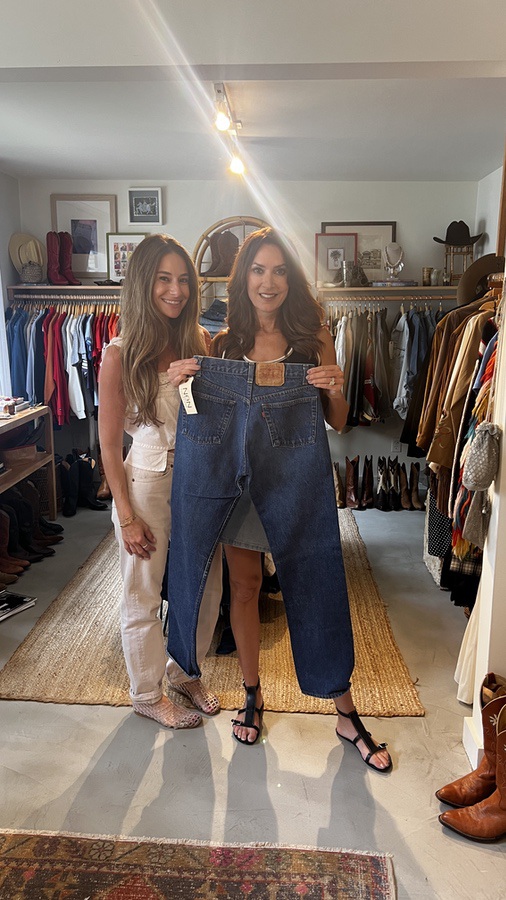
Brooke owns NAN, short for No Approval Needed, a boutique brimming with handpicked vintage denim. I asked her to work her magic. She studied my vibe and pulled several pairs from the racks. I left with orange-tab Levi’s button-fly jeans, a vintage jean jacket, and even a pair of Prada gladiator sandals, all fitted to flatter.
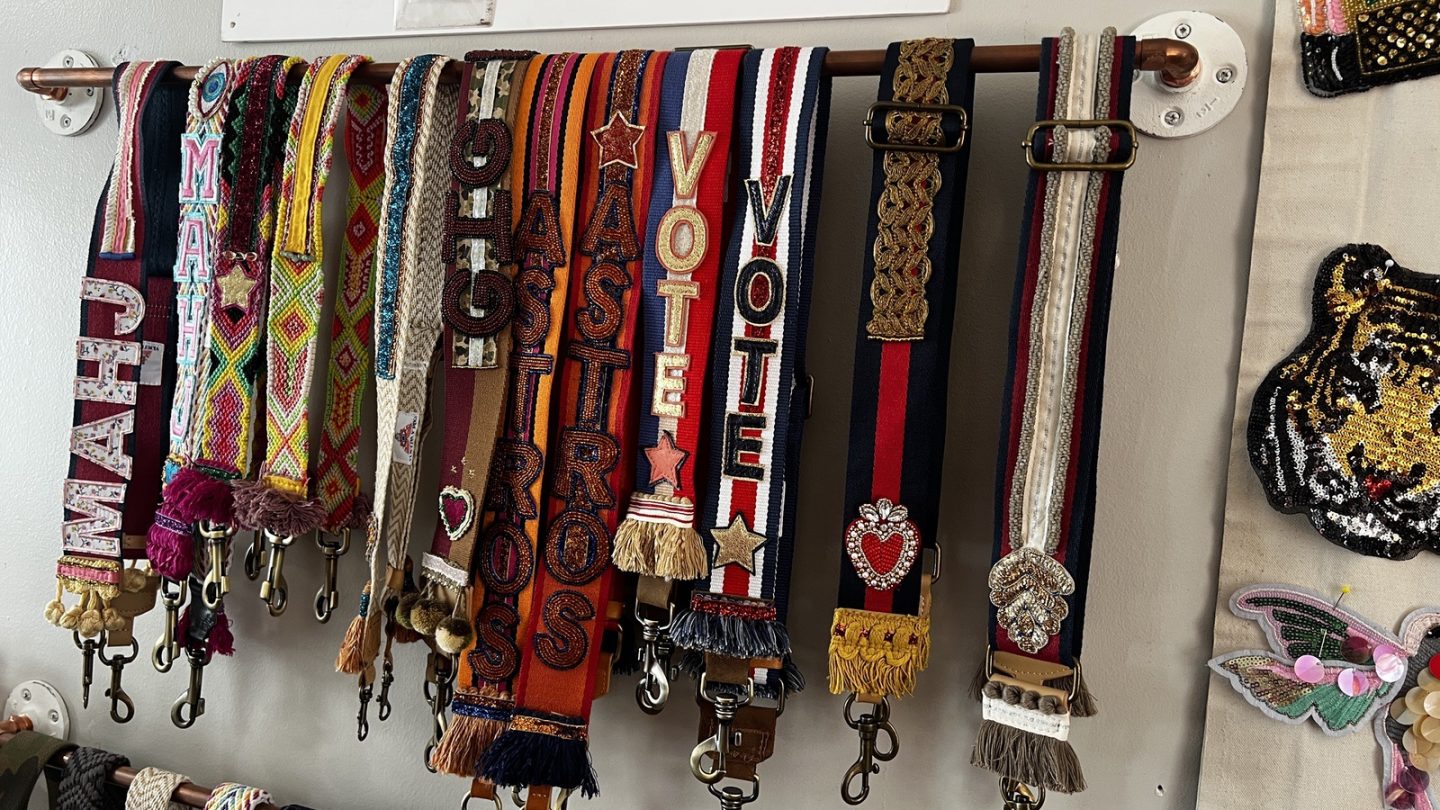
Next door, stylist and fashion designer Natalie Lindsey fills her boutique with signature quilted yo-yo blanket skirts and tops. Across the courtyard, Carla Valencia of Carla Valencia Design collaborates with her father, a former clothing manufacturer, to create customized jackets, bedazzled bag straps, boots, handbags, and reimagined vintage designer pieces. “We source a large collection of patches. My dad does most of the sewing, and I handle the beadwork,” Carla explained. “I also remake and reimagine pieces, like transforming jeans into denim skirts with pleats crafted from the pants’ legs.”
For a totally different vibe, I headed to 19th Street in the Heights, a historic retail strip recognizable by its beloved theater-style HEIGHTS marquee sign. Today, 19th Street is a colorful mix of vintage clothing shops, gift stores, art galleries, antique dealers, and indie boutiques, with neon signs and painted murals adding to its retro charm.
As I window-shopped, one storefront sign announced, “Shopping is my cardio,” which told me everything I needed to know about the corridor’s light-hearted, entrepreneurial spirit. One of the cool kids on the block is Manready Mercantile, founded by Travis Weaver. The store began with soy candles poured into reusable whiskey glasses, which Travis made in his apartment in 2012 and sold at flea markets.
By 2014, he had opened a brick-and-mortar flagship on 19th Street. Today, Manready Mercantile has evolved into a lifestyle brand offering apothecary goods, gourmet food, customizable hats, and USA-made home products. “The ironic thing is that most people consider us a retailer, but I consider us a manufacturer,” Travis told me. “I want visitors to be a little confused — to think it’s only for guys, then realize it’s for everyone. I want that sensory overload.”
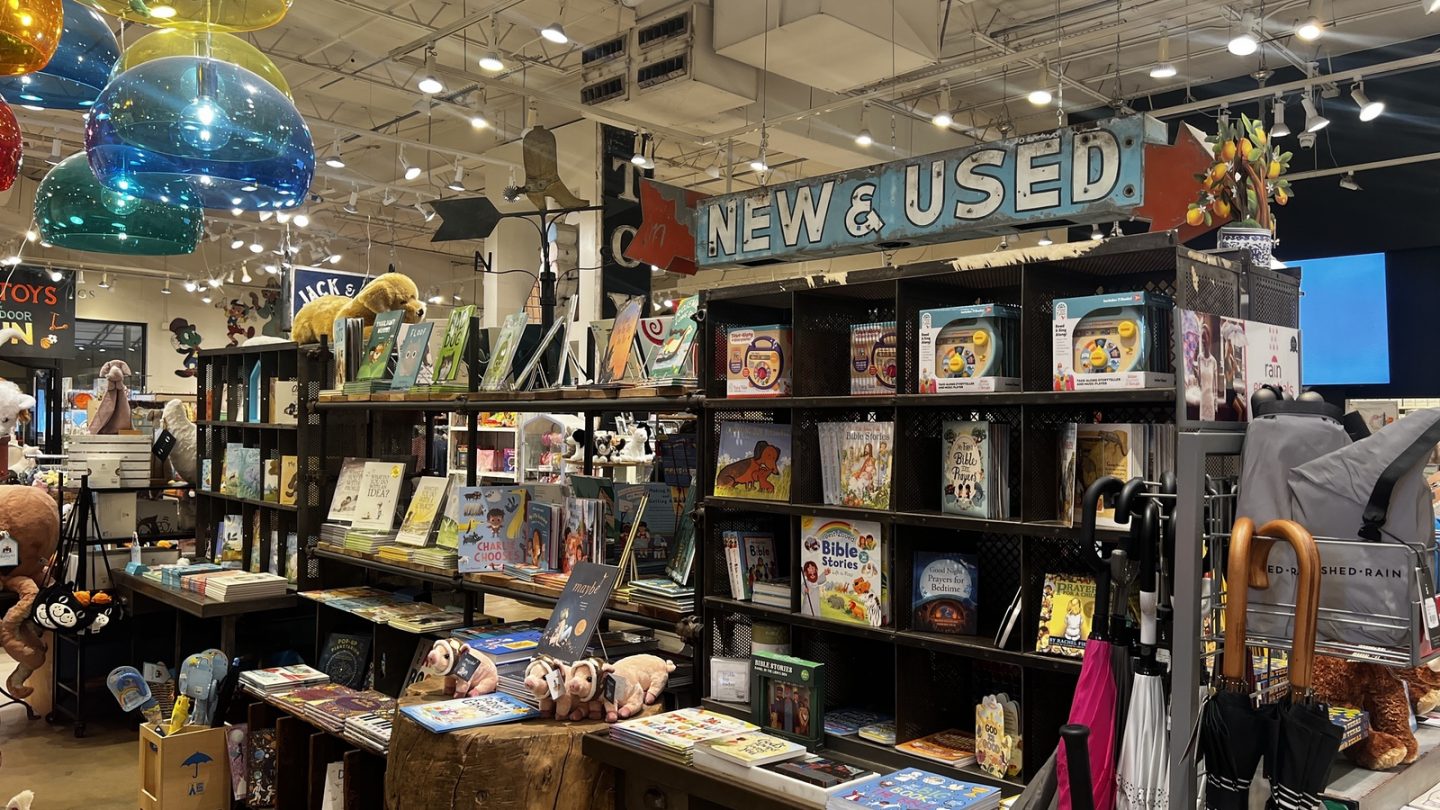
Houston’s lifestyle megastore Kuhl-Linscomb is a shop-local utopia. The first clue that I had arrived at Houston’s largest privately owned lifestyle store was the map at the entrance to guide me through Kuhl-Linscomb’s 80,000 square feet of merchandise spread across several buildings. Owners Pam and Dan Kuhl-Linscomb have curated a world of books, apothecary, home décor, fashion, and gifts in vignettes that invite slow shopping sprinkled with impulse purchases.
Houston’s culinary scene is an artistic and cultural expression of both plate and palate — where flavors, colors, stories, and traditions are composed with the same creativity found in the city’s galleries and murals. Houston’s six-square-mile stretch of Bellaire Boulevard is known as Asiatown, a kaleidoscope of Chinese, Vietnamese, Thai, Korean, Japanese, Malaysian, and Laotian cultures and cuisines. Bilingual signs that shift between Chinese and Vietnamese populate this district of markets, herbal shops, restaurants, and temples, many tucked inside strip malls.
To navigate the area, I met Houston food journalist and blogger Mai Pham, who suggested we start with the “OG” of Viet-Cajun cooking: Crawfish & Noodles. The strip mall restaurant is the kind of place you might miss if you weren’t paying attention, except for the Vietnam War Memorial out front. Chef Trong Nguyen, who opened the restaurant in 2008, is widely recognized as a pioneer of the Viet-Cajun movement and has earned national recognition from the James Beard Foundation.
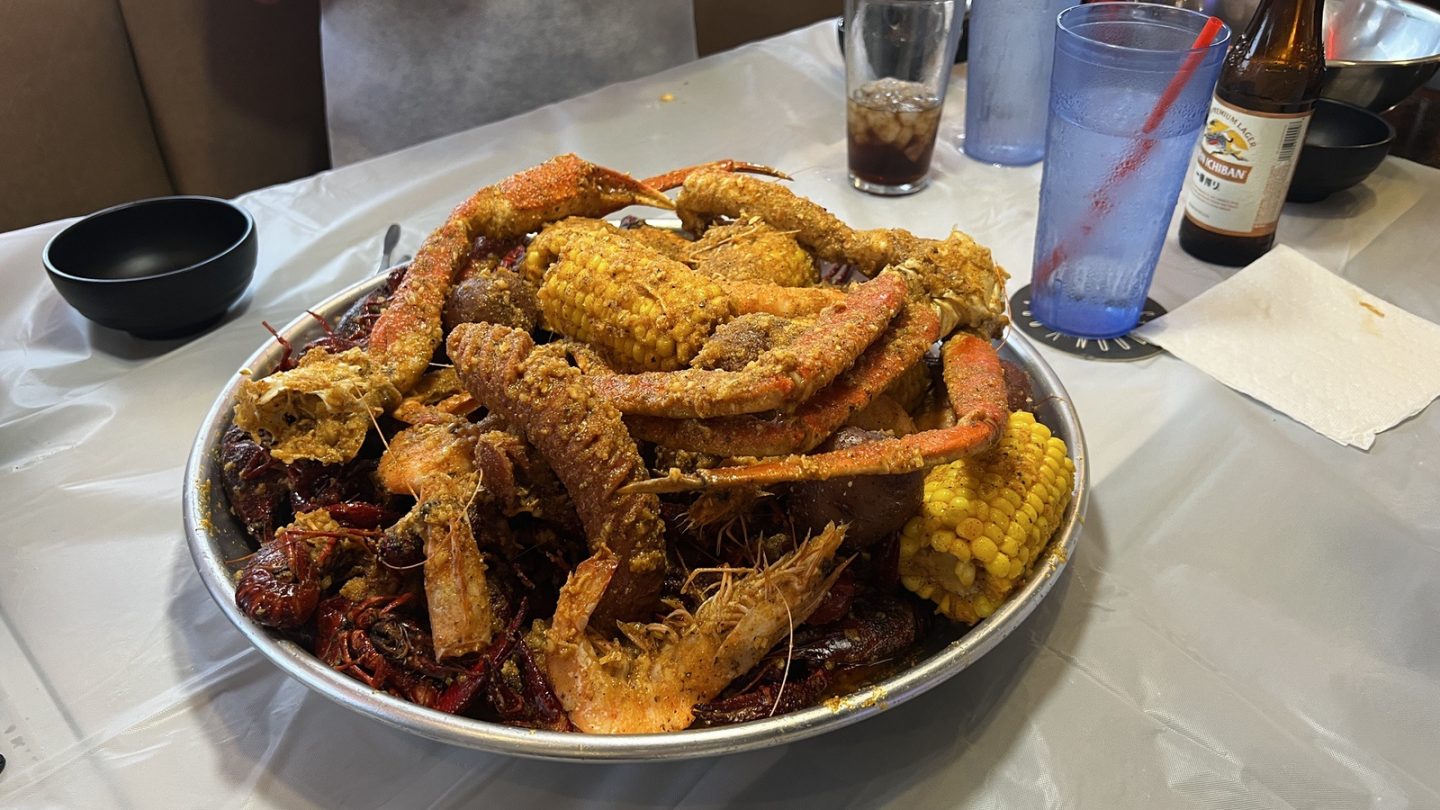
Mai explained that Viet-Cajun is a Houston-born phenomenon. “In the late 1990s, a lot of Vietnamese entrepreneurs started mixing the flavors they grew up with — garlic, butter, lemongrass — with Cajun crawfish boils,” she told me. “It started in Houston, but now you’ll find it in other U.S. cities.” As a Louisiana native, I have eaten crawfish every way imaginable: spicy boils, pies, and étouffée. Chef Trong’s version was a revelation. Instead of serving crawfish straight from the boil, he tosses them in a wok with fragrant butter-garlic sauce, lemongrass, and a balanced spice mix. The result is messy, finger-licking, aromatic, and layered in a way that feels both familiar and entirely new.
The story of Viet-Cajun cuisine is also the story of Vietnamese immigration to the Gulf Coast. After the Vietnam War, many Vietnamese refugees settled in Louisiana’s fishing towns, adapting to local seafood traditions and adding butter, garlic, lemongrass, and chili to the boil. When Vietnamese families later moved to Houston for opportunity and affordability, the style became a point of pride in the city’s food scene.
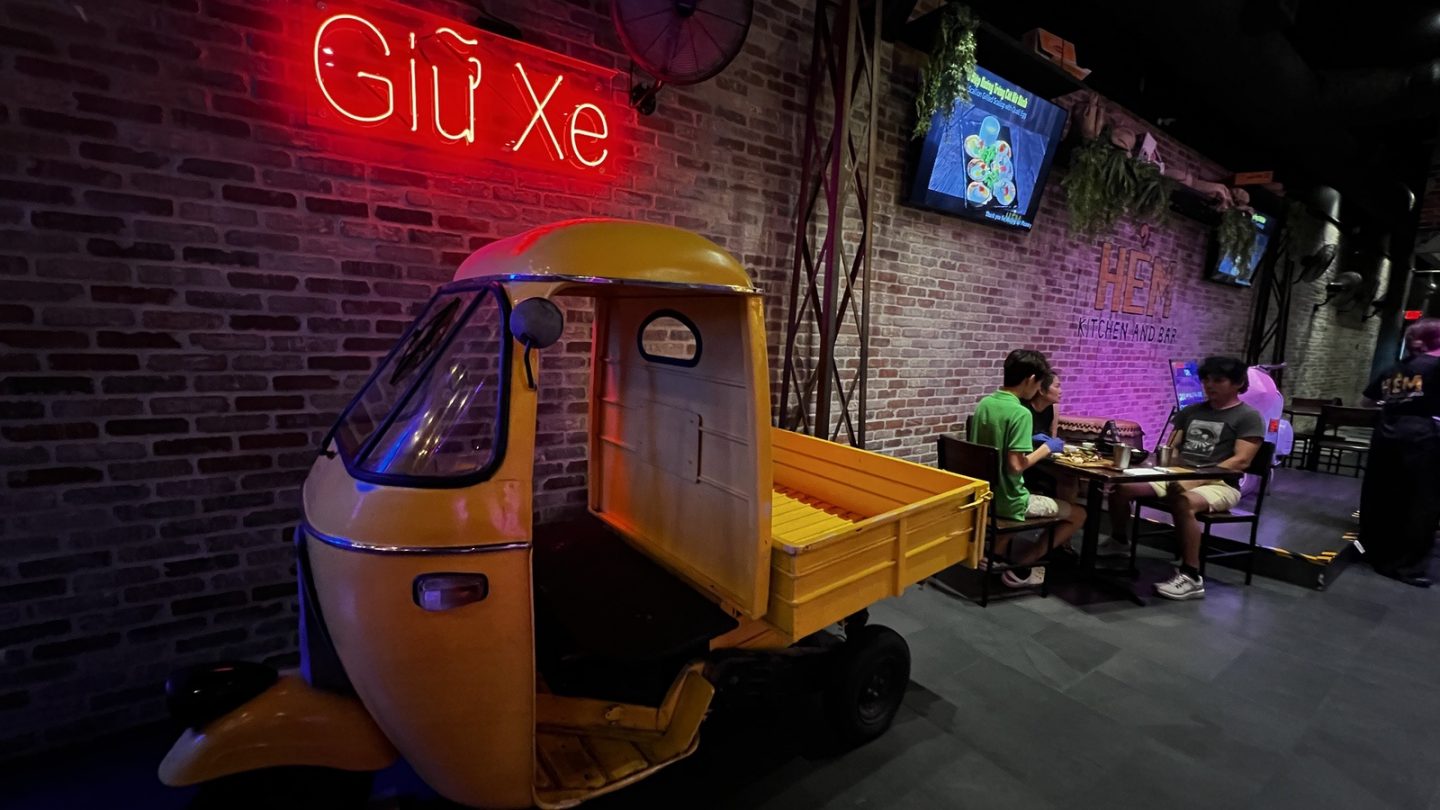
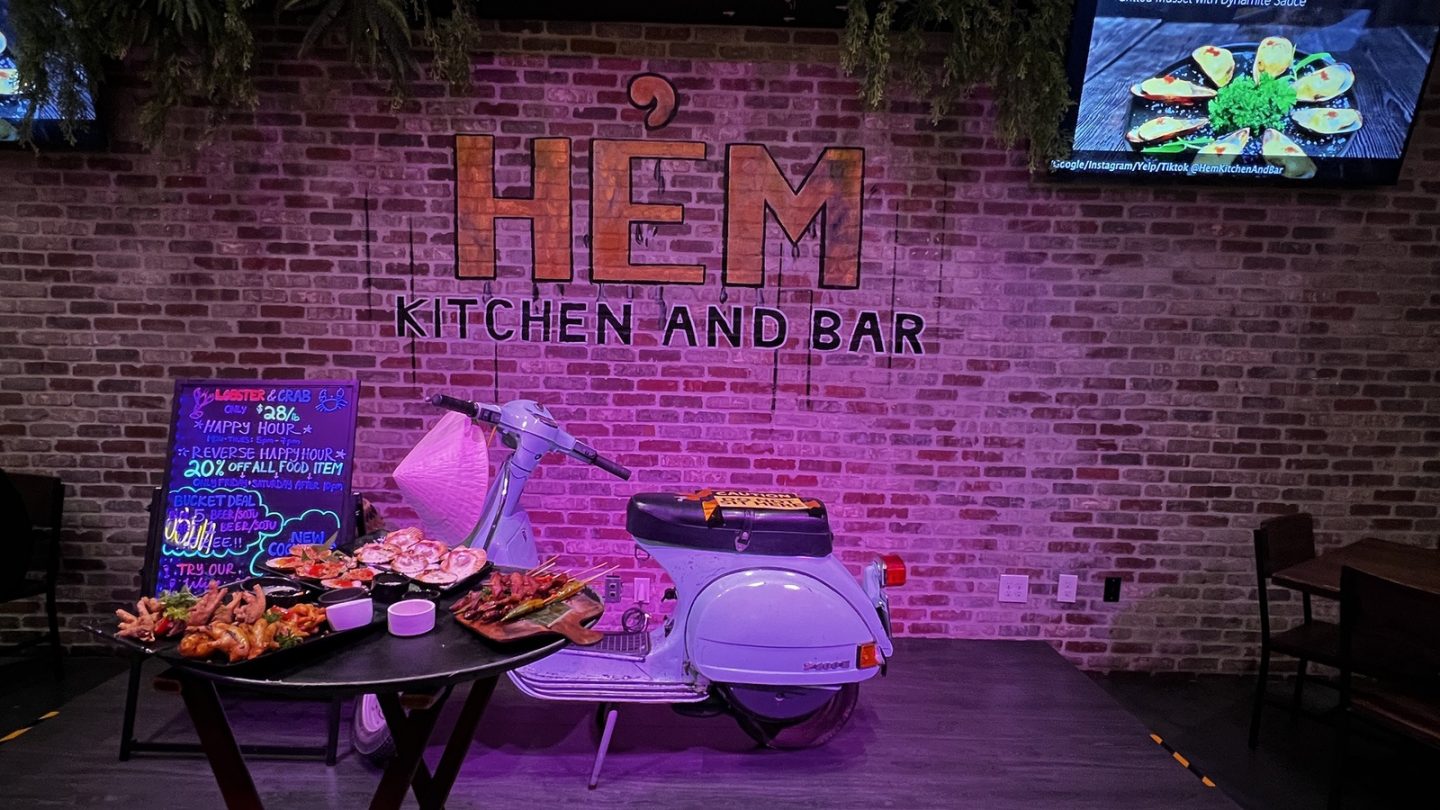
Mai suggested we end the night at Hem Kitchen & Bar, a restaurant designed to feel like stepping into a hidden Saigon backstreet. The name “Hem” means “alley” in Vietnamese, and the owners, Steven Diep, a former DJ, and Kanny Le, traveled to Vietnam to gather inspiration and décor. At the entrance, a vintage Vespa and a Lambretta microcar greet guests like old friends. Inside, birdcage chandeliers, neon signs, and booths tucked into giant faux drainage pipes create a theatrical homage to Vietnamese street life.
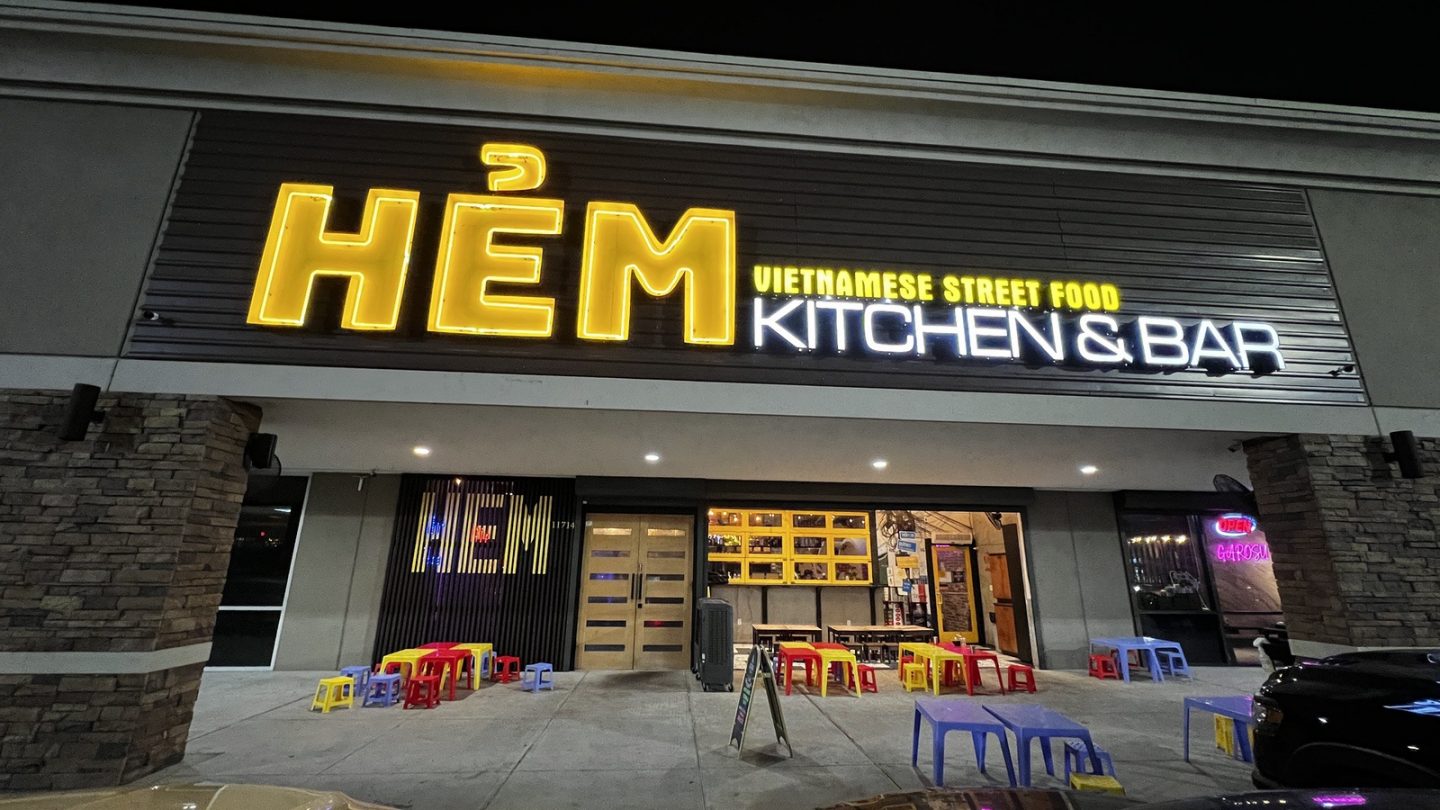
We sipped cocktails inspired by Vietnamese street drinks and shared late-night snacks while retro Vietnamese pop and modern beats played overhead. By the time we left, I understood that Houstonians take Vietnamese food seriously, especially pho. The city’s large Vietnamese population has created both a discerning palate and fierce competition among restaurants..
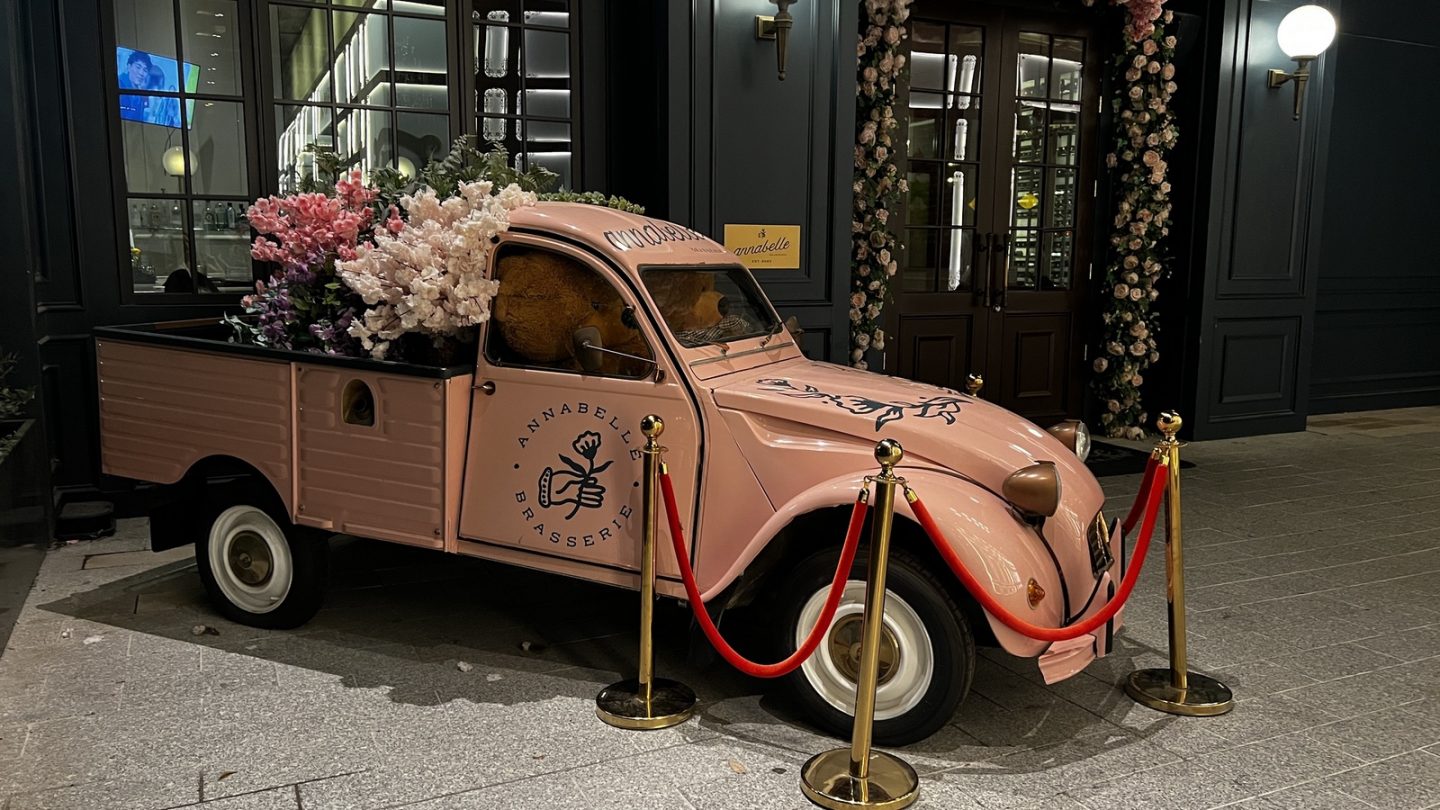
Beyond Bellaire, Houston’s culinary stage stretches citywide. At Annabelle Brasserie, diners step into a floral fantasy of upside-down gardens and playful desserts. Le Jardinier, tucked inside the Museum of Fine Arts, Houston, brings Michelin-starred precision to seasonal French cooking.
While exploring Houston, I wanted accommodations that connected me to the city’s local character and creative energy, so I chose Hotel Saint Augustine, Bunkhouse’s garden-style boutique hotel in Montrose near the Menil Collection. It is the kind of place you could mistake for a stylish private compound, until the red-lacquered lobby draws you in with shelves of art objects. The hotel’s location makes it an ideal base for exploring Houston’s museums, galleries, restaurants, and neighborhood gems. A handwritten welcome note waited beside small dishes of chocolates and snack mix, inviting me to “immerse in the unique blend of art, culture, and hospitality that is singularly Houston.”
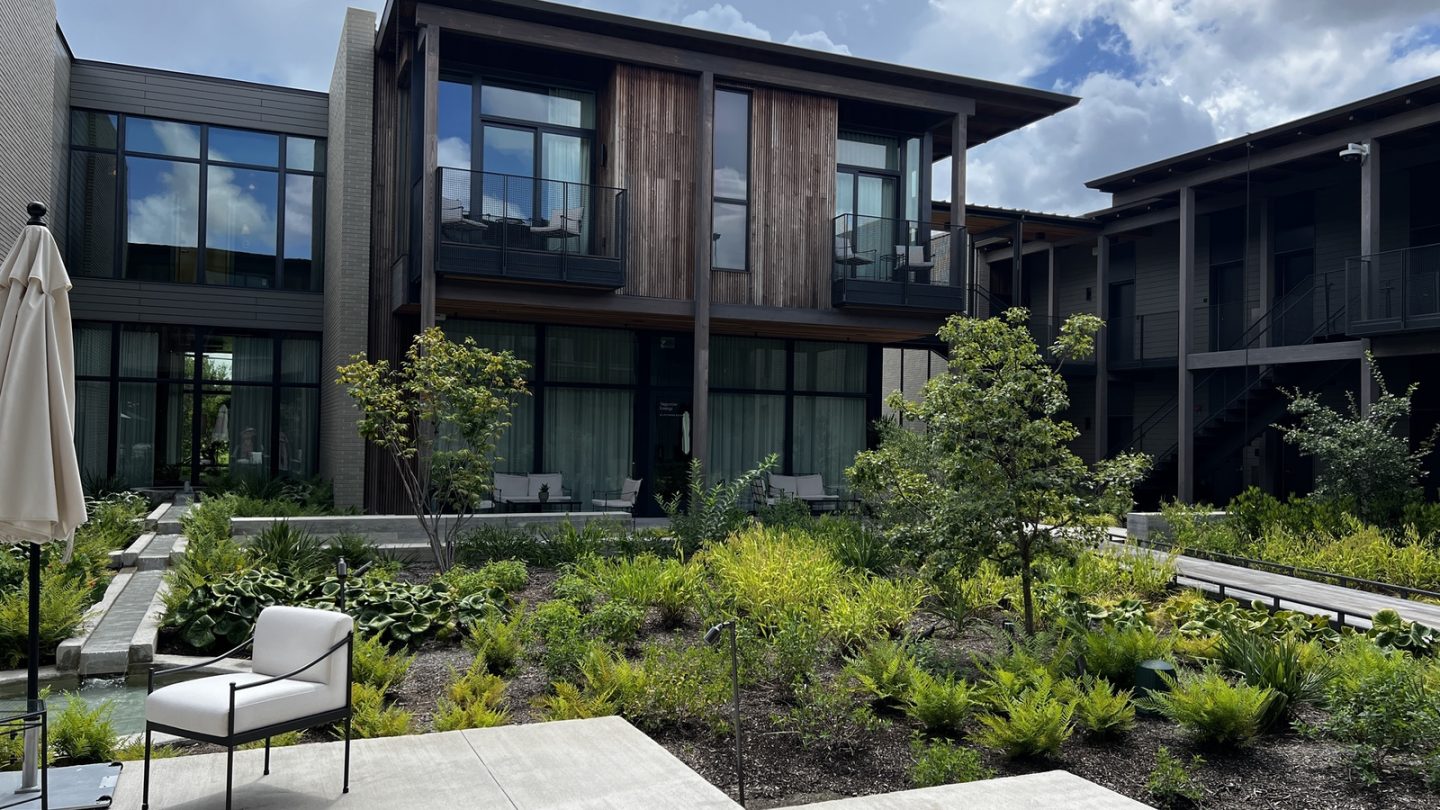
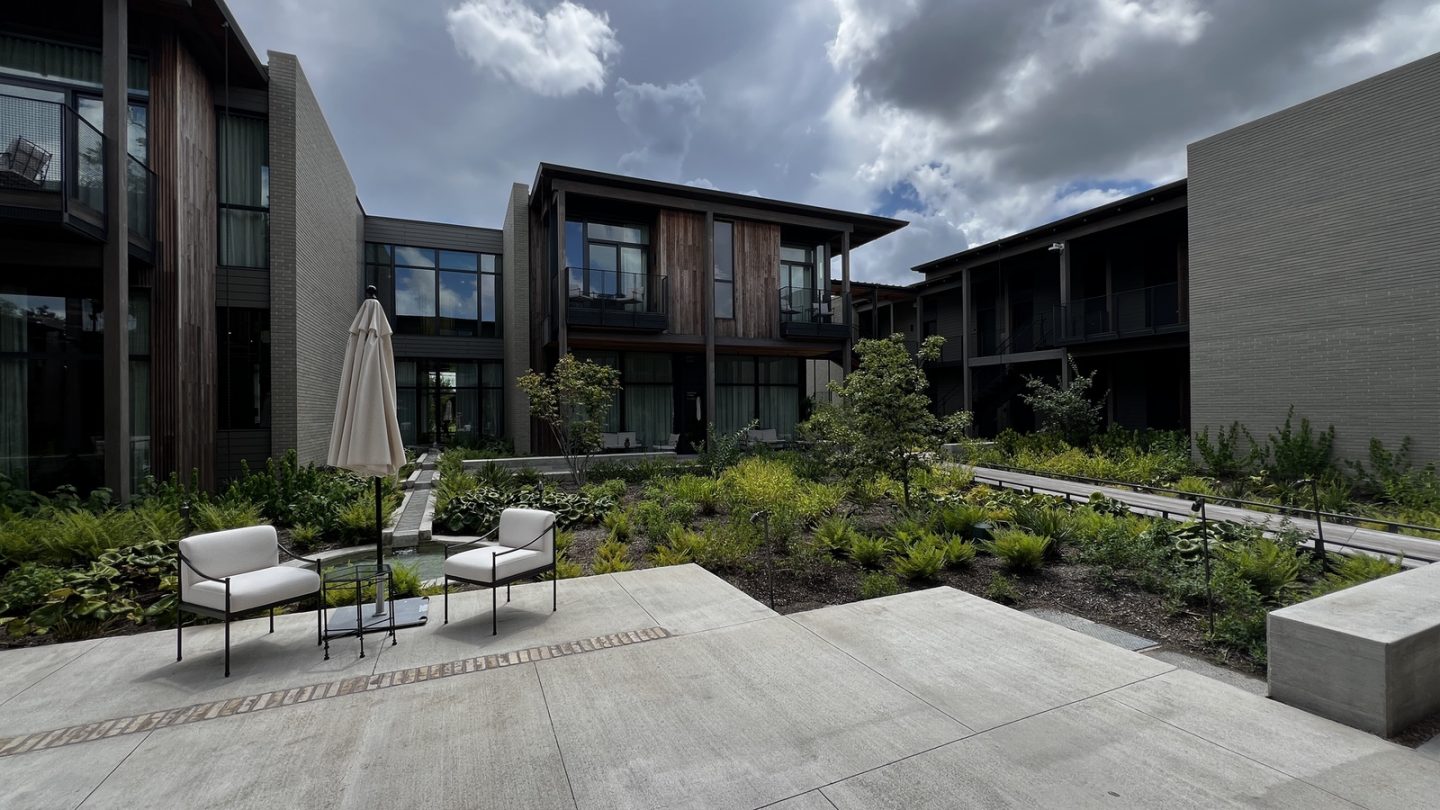
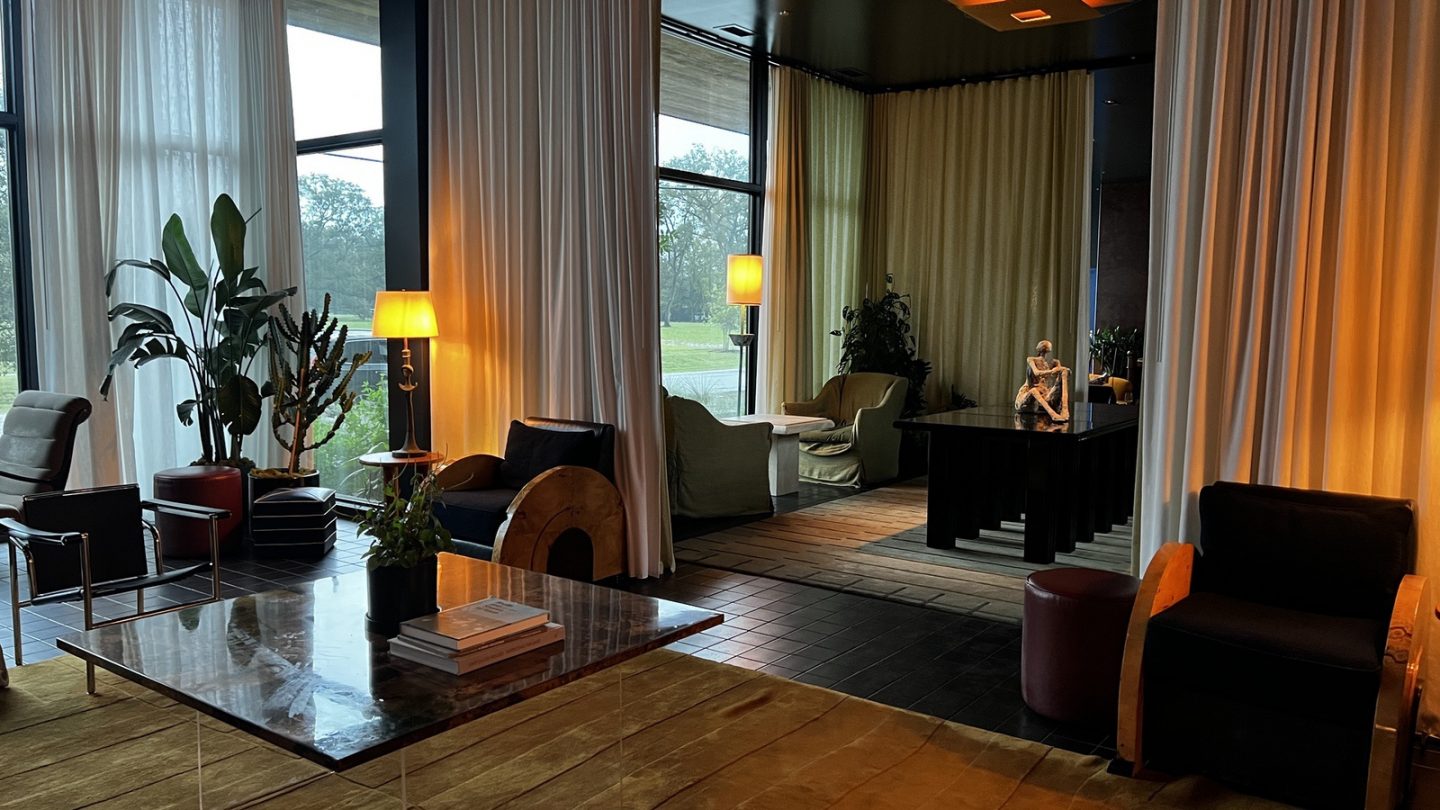
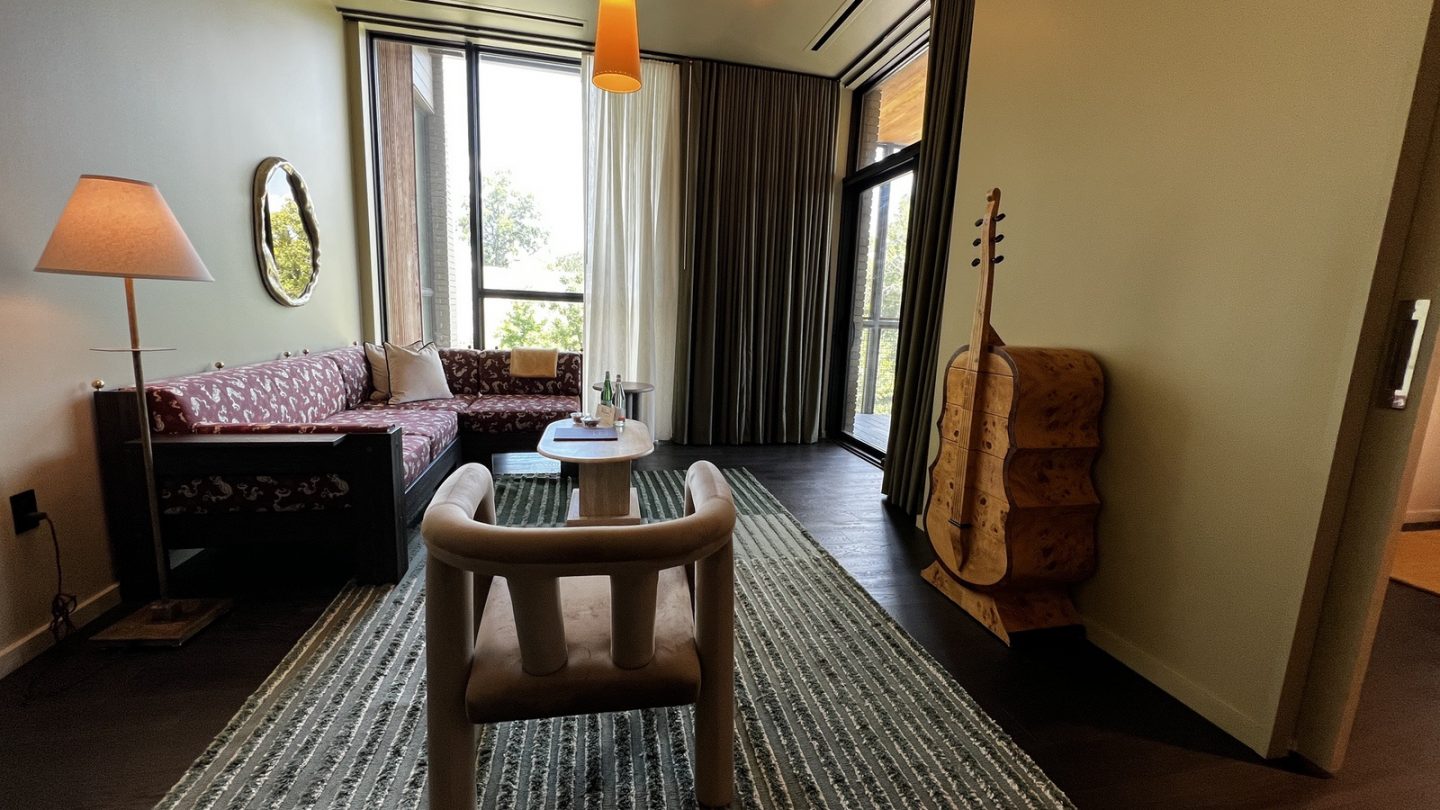
My suite felt like a stylish pied-à-terre: a velvet-upholstered king bed, sculptural furniture, and a cello-shaped cabinet that added a whimsical touch. The wet room held a spa-sized soaking tub, complete with rainbow-colored bathrobes that hung like wearable works of art. With a living room, bar, and screened-in porch overlooking lush gardens, the space functioned like a little condo. The grounds are dotted with heritage oaks and native plants, laid out along winding paths that lead to a courtyard pool and terrace bar.
In the evenings, I stopped by Perseid, the hotel restaurant, for “Wishing Hour,” its take on happy hour. Chef Aaron Bludorn helms the kitchen, bringing Texas Gulf Coast flavors to a space designed as much for locals as travelers. During my stay, I met Montrose residents who stopped in for drinks and shared that sense of belonging you only find in truly loved neighborhood spots.
Oil and gas exploration shaped Houston’s wealth and global identity, and that same wildcat spirit drives the city’s artistic expression — independent, risk-taking, and unafraid to break new ground.

- The Houston You Haven’t Met Yet: - July 29, 2026
- FROM ROUX TO RHYTHM – A JOURNEY THROUGH CAJUN AND CREOLE LOUISIANA - February 12, 2026
- Beyond the Philadelphia’s Tourist Hotspots: Discover Brandywine Valley in Bloom - September 9, 2025
