
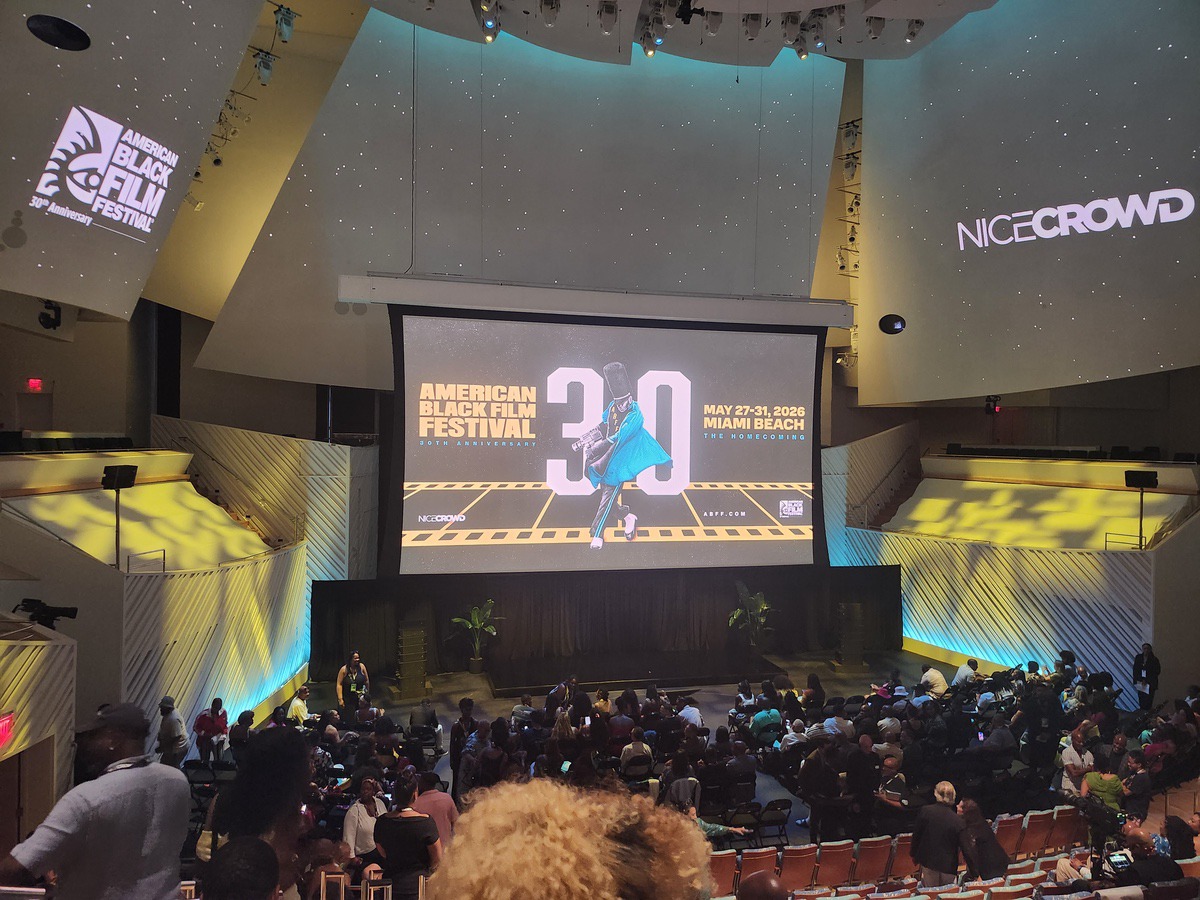
Experiencing the American Black Film Festival
There are film festivals, and then there are cultural experiences that leave a lasting impression long after the final screening ends. Attending the American Black Film Festival (ABFF) was one of those experiences. What began as a few days dedicated to film quickly became an immersive journey through storytelling, culture, creativity, and community. From thought-provoking conversations and exclusive screenings to networking opportunities and unforgettable celebrations, ABFF offered a powerful reminder of the impact Black voices continue to have on the entertainment industry.
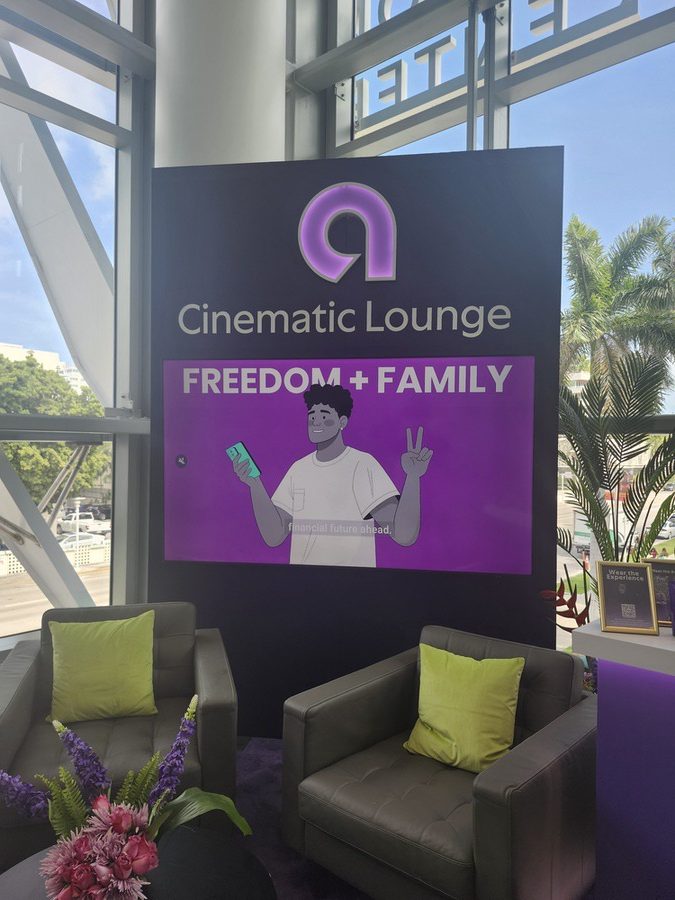
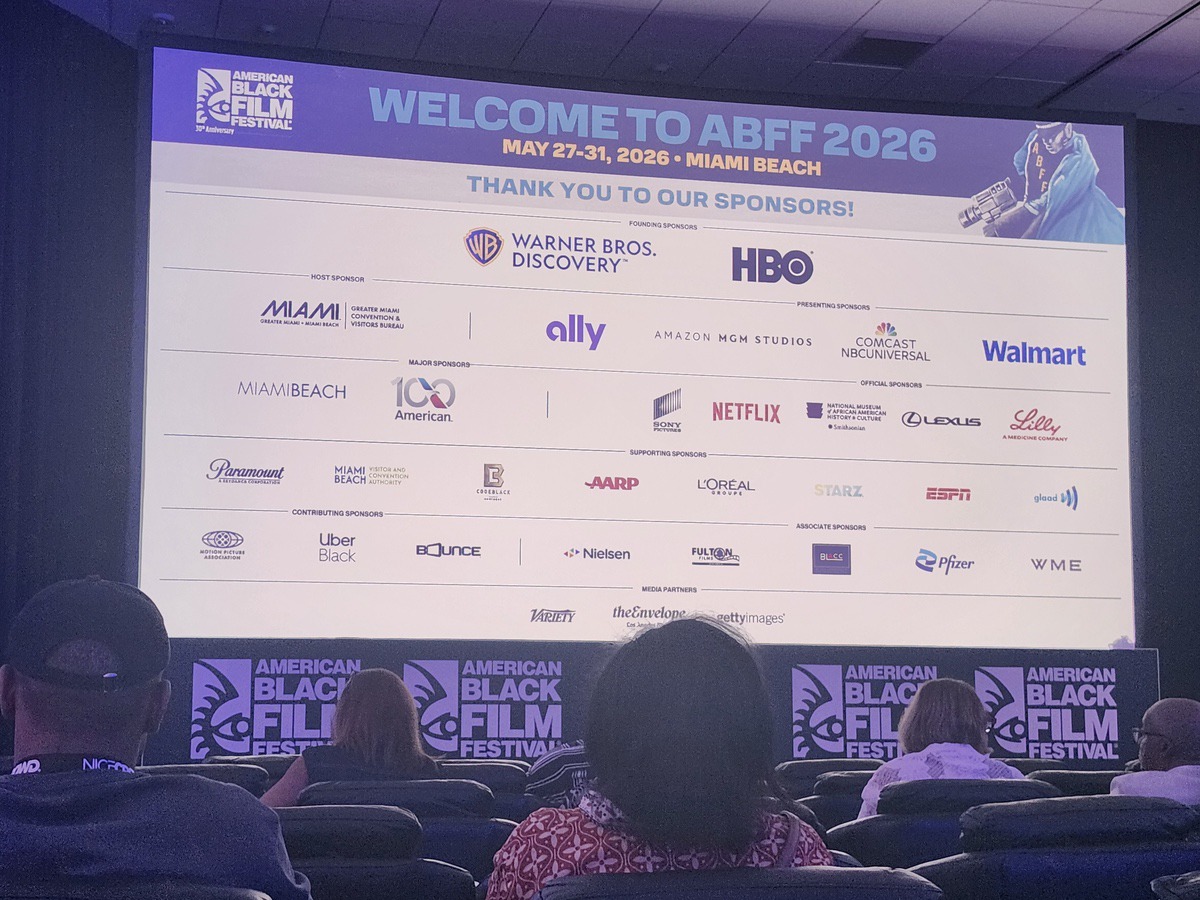
Held annually in Miami Beach, the American Black Film Festival has established itself as one of the most influential gatherings for Black creatives in film and television. For more than three decades, the festival has provided a platform where filmmakers, actors, writers, producers, and industry professionals can share their work, exchange ideas, and create meaningful connections. While its mission centers on elevating Black storytelling, ABFF has also become a place where culture is celebrated and careers are launched. Most of the festival’s events took place between the iconic Miami Beach Convention Center and the New World Center two vibrant hubs just a short, five minute walk apart.
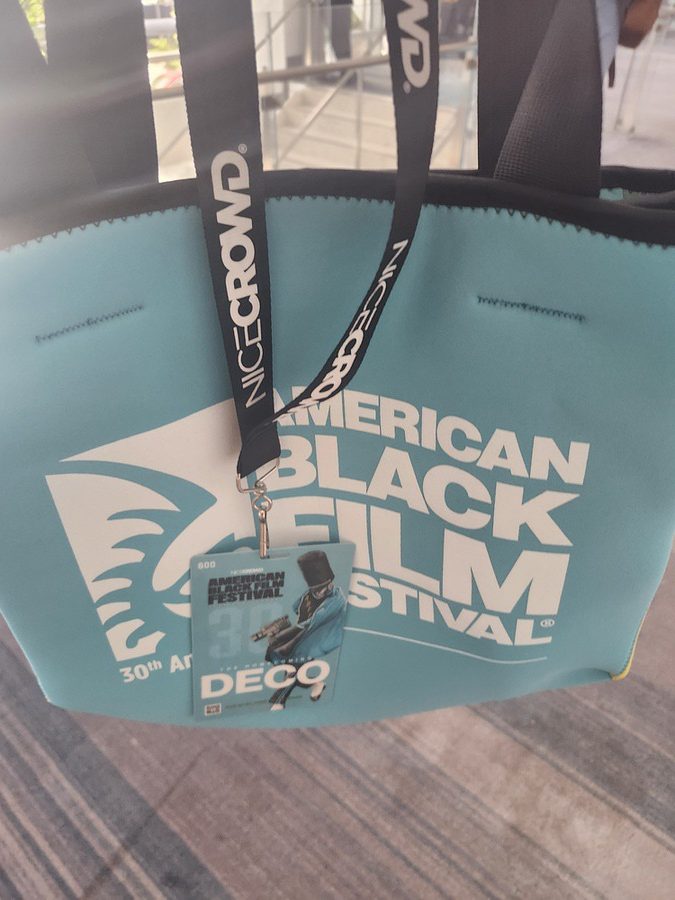
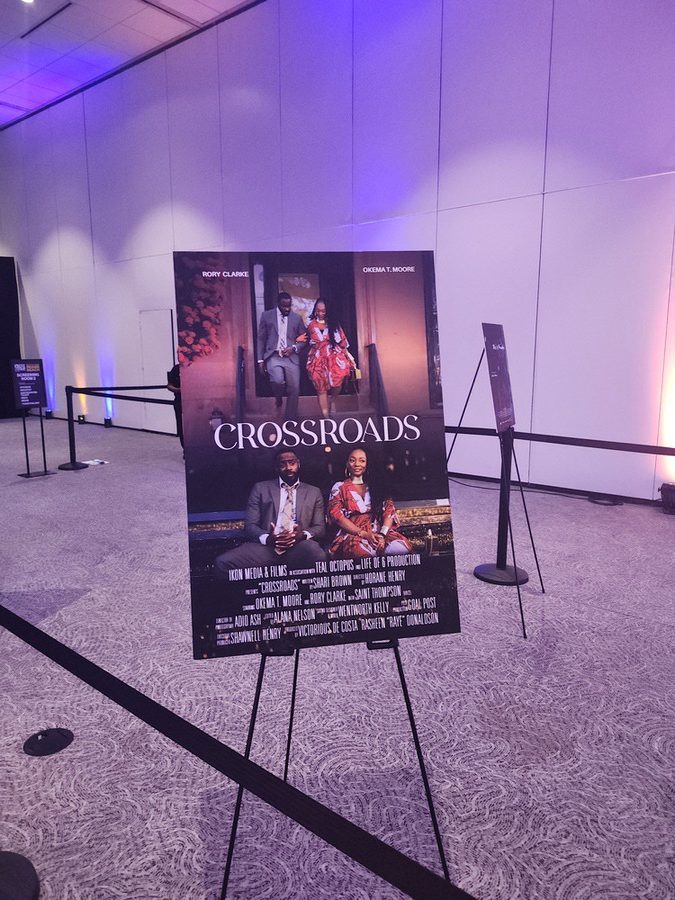
As someone attending the festival, I quickly realized that ABFF is about much more than watching movies. It is about experiencing stories, learning from industry leaders, building relationships, and celebrating the richness of Black creativity. The festival’s atmosphere is unlike any other entertainment event. There is an undeniable sense of purpose in every room, whether attendees are gathered for a panel discussion, waiting in line for a screening, or meeting fellow creatives at a networking event.
From the moment I arrived in Miami Beach, the excitement was impossible to ignore. The city itself seemed to complement the spirit of the festival. Palm trees lined the streets, the ocean provided a stunning backdrop, and people from all over the country arrived with a shared passion for storytelling. Everywhere I looked, conversations were taking place. Independent filmmakers discussed upcoming projects, aspiring actors shared career goals, and seasoned professionals exchanged industry insights. The festival created an environment where everyone felt connected through a common appreciation for film and culture.
One of the most rewarding aspects of attending ABFF was the opportunity to experience new films before they reached broader audiences. The festival’s programming featured a wide range of projects, from independent films and documentaries to major studio productions and television premieres. Each screening offered something unique, reflecting the diversity of perspectives and experiences within the Black community.
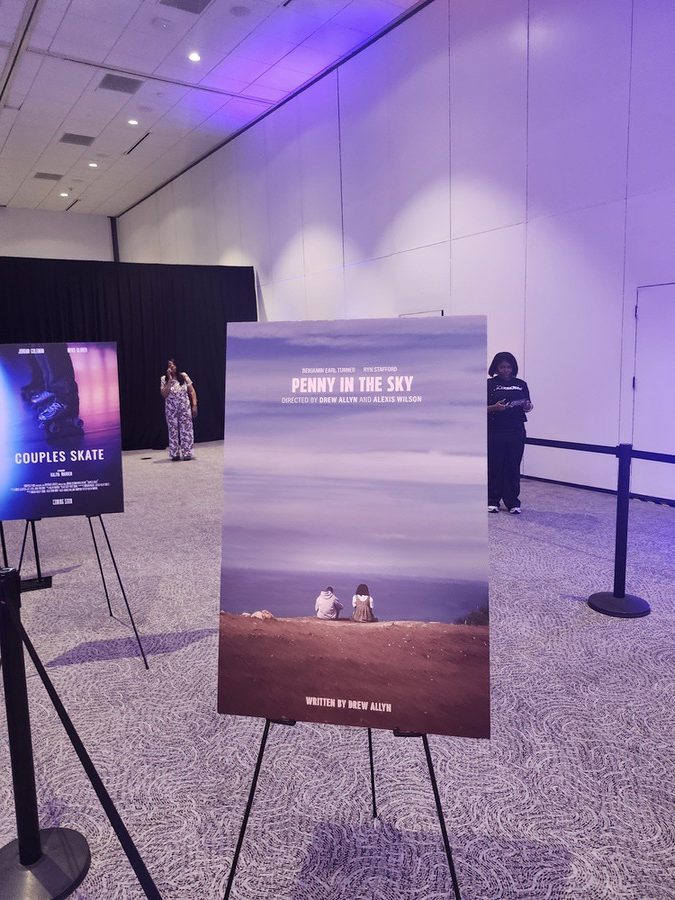
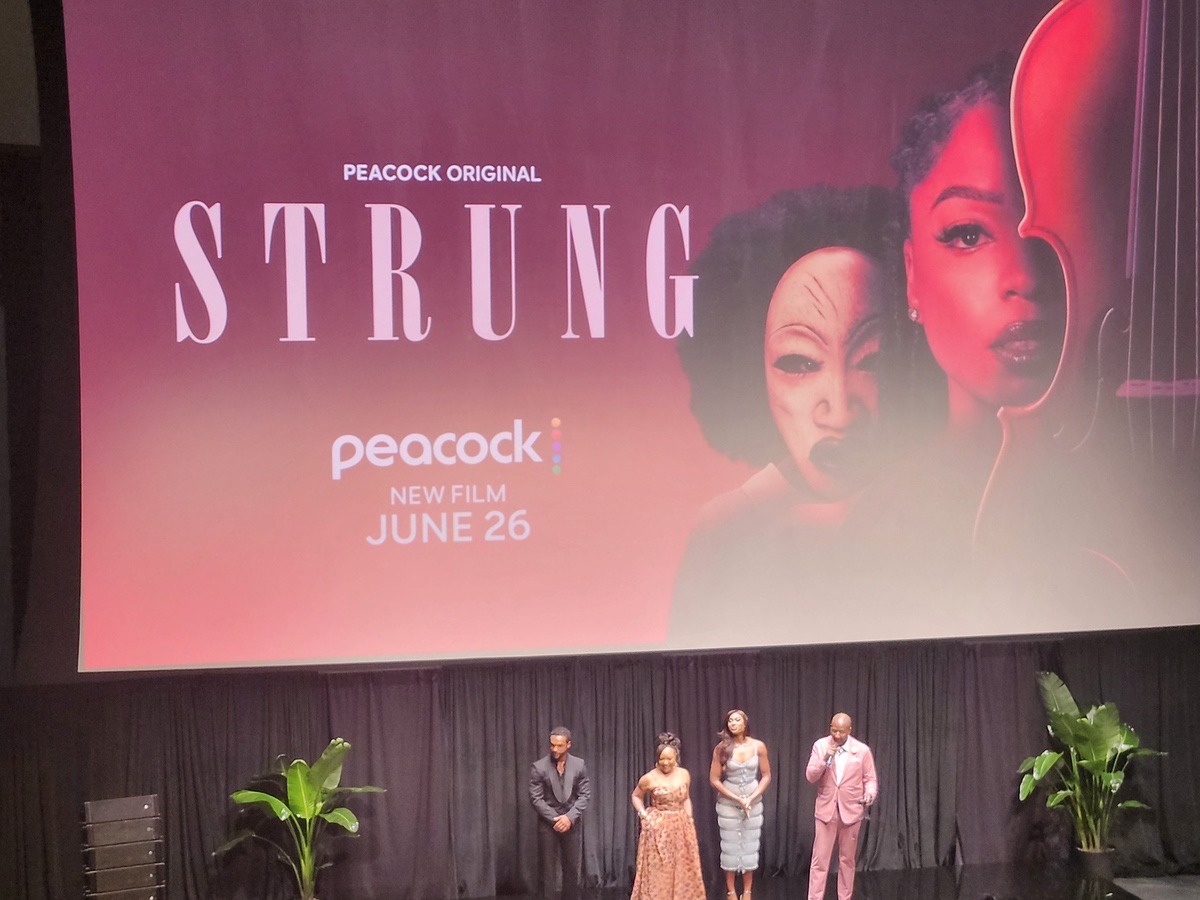
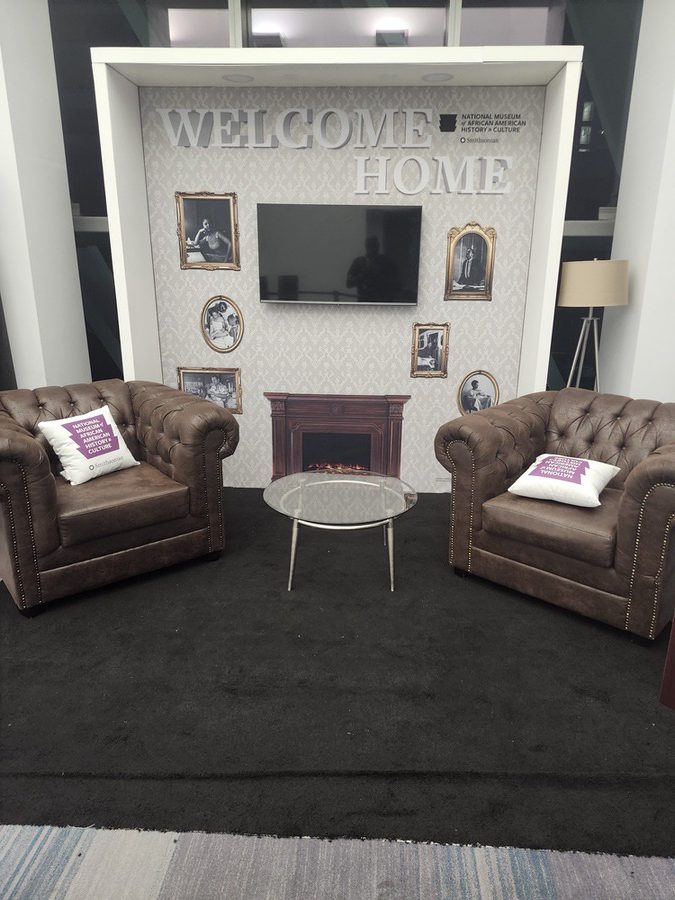
Sitting in a theater surrounded by fellow film enthusiasts created a sense of anticipation that cannot be replicated through streaming services or traditional moviegoing experiences. Each screening room was transformed into a full cinematic experience, complete with a towering two and a half story screen, plush La Z Boy seating, and immersive surround sound audio. Every screening felt like an event. Audiences laughed together, reflected together, and celebrated powerful moments together. The communal experience reinforced the idea that storytelling is meant to bring people together.
Many of the films explored themes that resonated deeply with audiences, including family, identity, ambition, resilience, love, and community. Others tackled social issues and historical narratives that encouraged meaningful dialogue. What stood out most was the authenticity of storytelling. The films were not attempting to fit into predetermined narratives. Instead, they reflected the complexity, beauty, and diversity of Black experiences. “Seahorse” was one of the featured full length films, exploring themes of depression, abandonment, and suicide through the lens of a woman of color. The film is directed by Aisha Evelyna, a Caribbean Canadian creative who works across acting, writing, and producing.
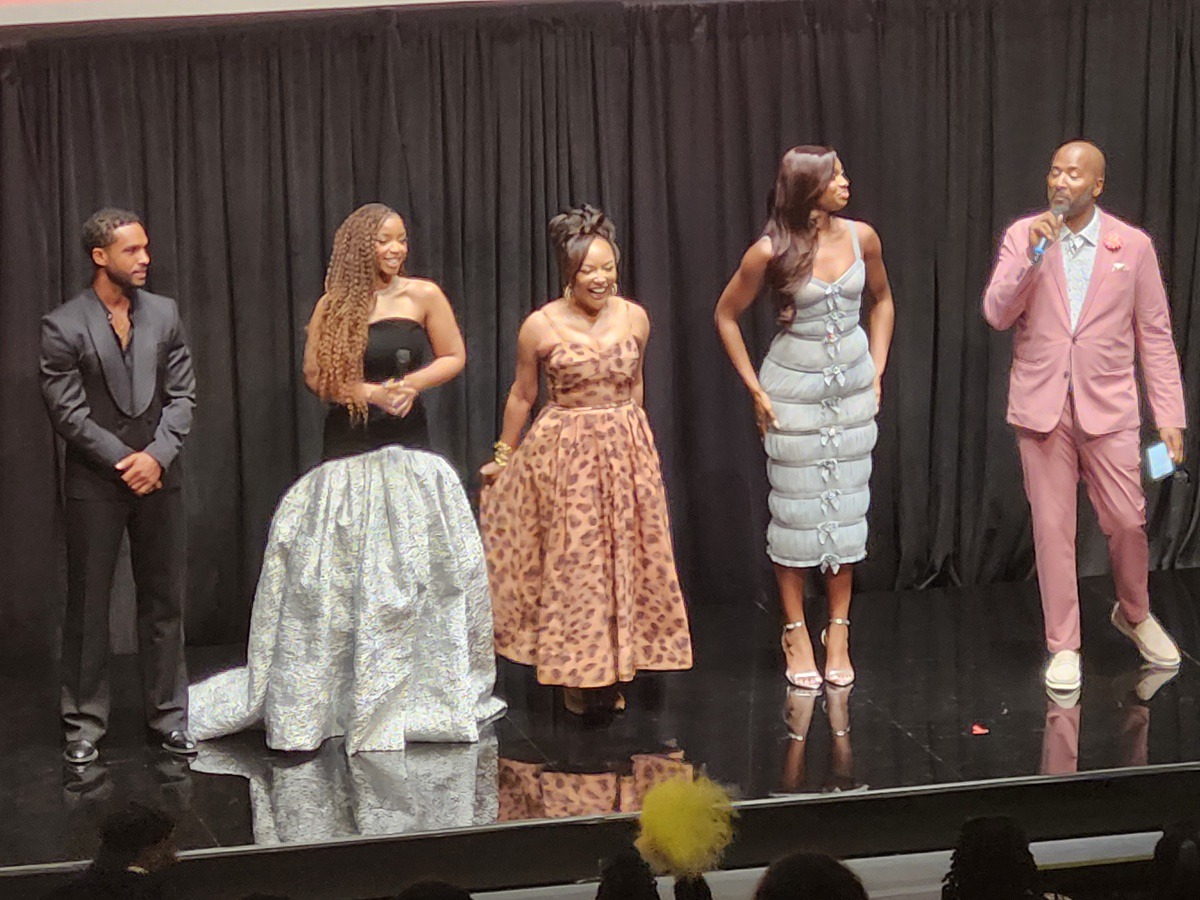
The opportunity to hear directly from filmmakers after screenings added another layer to the experience. Directors, writers, and cast members often participated in question-and-answer sessions, offering behind-the-scenes insight into their creative processes. Listening to them discuss their inspirations, challenges, and goals helped audiences develop a deeper appreciation for the work being presented.
One filmmaker spoke about spending years trying to secure funding for a project before finally bringing it to life. Another discussed the responsibility of telling stories that accurately represent underrepresented communities. These conversations highlighted the dedication required to create meaningful art and reinforced the importance of supporting diverse voices within the entertainment industry.
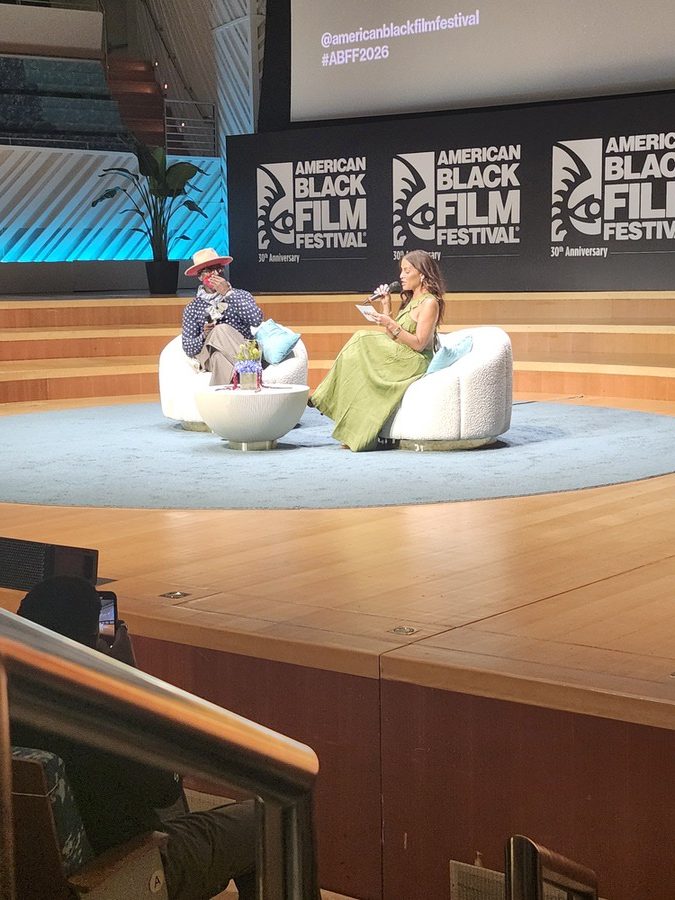
Beyond the screenings, the educational programming at ABFF proved equally impactful. The festival featured an impressive lineup of panel discussions covering a wide range of topics affecting today’s entertainment landscape. Industry executives, actors, producers, directors, writers, and entrepreneurs shared valuable insights about navigating careers in media and entertainment. One of the festival’s standout moments was an intimate conversation with Regina King, this year’s ambassador. King began her acting career in 1985 on the sitcom 227, starring alongside Marla Gibbs and Jackée Harry, and has since built an acclaimed filmography that includes Poetic Justice, Ray, This Christmas, and Jerry Maguire. During the discussion, she spoke candidly about her evolution from actress to director and producer, reflecting on her early days at ABFF and the journey that has shaped her career.
Several conversations focused on the evolving nature of the industry. Panelists discussed the rise of streaming platforms, changes in audience consumption habits, and emerging opportunities for content creators. These discussions provided attendees with a realistic understanding of where the industry is heading while also highlighting new possibilities for aspiring professionals.
What made these panels particularly valuable was their honesty. Speakers openly discussed challenges they had faced throughout their careers, including rejection, financial obstacles, and the struggle to gain visibility in a competitive industry. Rather than presenting success as something that happened overnight, they emphasized persistence, preparation, and adaptability. Another highlight was the intimate sit down with Taye Diggs, where he reflected on his longevity, resilience, and sense of purpose as both a man and a leading actor. He spoke about the pivotal risk he took early in his career by joining the Broadway production of RENT, a decision that ultimately shaped his trajectory. Diggs also revisited the legacy of his film work, from the Best Man franchise to Brown Sugar, as well as his breakout role as Winston in How Stella Got Her Groove Back.
For emerging creatives in attendance, these conversations served as both inspiration and education. Hearing accomplished professionals speak candidly about their journeys made success feel more attainable. Their stories demonstrated that setbacks are often part of the process, and that perseverance can ultimately lead to opportunity.
Another memorable aspect of the festival was the emphasis on mentorship and community building. Unlike some industry events where networking can feel transactional, ABFF fostered genuine connections. The atmosphere encouraged collaboration rather than competition.
Throughout the week, I witnessed countless examples of people sharing resources, offering advice, and supporting one another’s goals. Conversations that began in panel rooms often continued in hallways, lounges, and networking receptions. Industry veterans took time to answer questions from students and aspiring filmmakers. Creatives exchanged contact information and discussed potential collaborations. The sense of accessibility was refreshing. While waiting in line, I encountered several freelance writers, some of whom had written for HBO, ABC, Netflix, and Showtime. My most meaningful interaction was with a therapist frequently hired to ensure the authenticity of characters portraying genuine human emotions on screen.
For many attendees, networking represented one of the most valuable aspects of the festival experience. In an industry where relationships often play a critical role in career advancement, ABFF provides a unique opportunity to connect with people from every level of the entertainment business. Whether someone was an aspiring screenwriter, a seasoned producer, or a content creator exploring new opportunities, the festival created countless moments for meaningful engagement.
One of the most inspiring observations throughout the week was the diversity of talent present. The festival attracted people from various backgrounds, age groups, and professional experiences. Students attended alongside award-winning filmmakers. Independent creators shared space with major studio executives. Journalists, entrepreneurs, actors, and producers all contributed to the dynamic environment.
This diversity enriched every conversation. Emerging creatives brought fresh ideas and perspectives, while experienced professionals offered wisdom gained through years in the industry. The exchange of knowledge created an atmosphere of continuous learning and growth.
Outside of the professional programming, ABFF excelled at celebrating Black culture in all its forms. Music, fashion, art, and entrepreneurship were seamlessly integrated into the festival experience. Social events provided opportunities for attendees to relax, connect, and celebrate the achievements of the community.
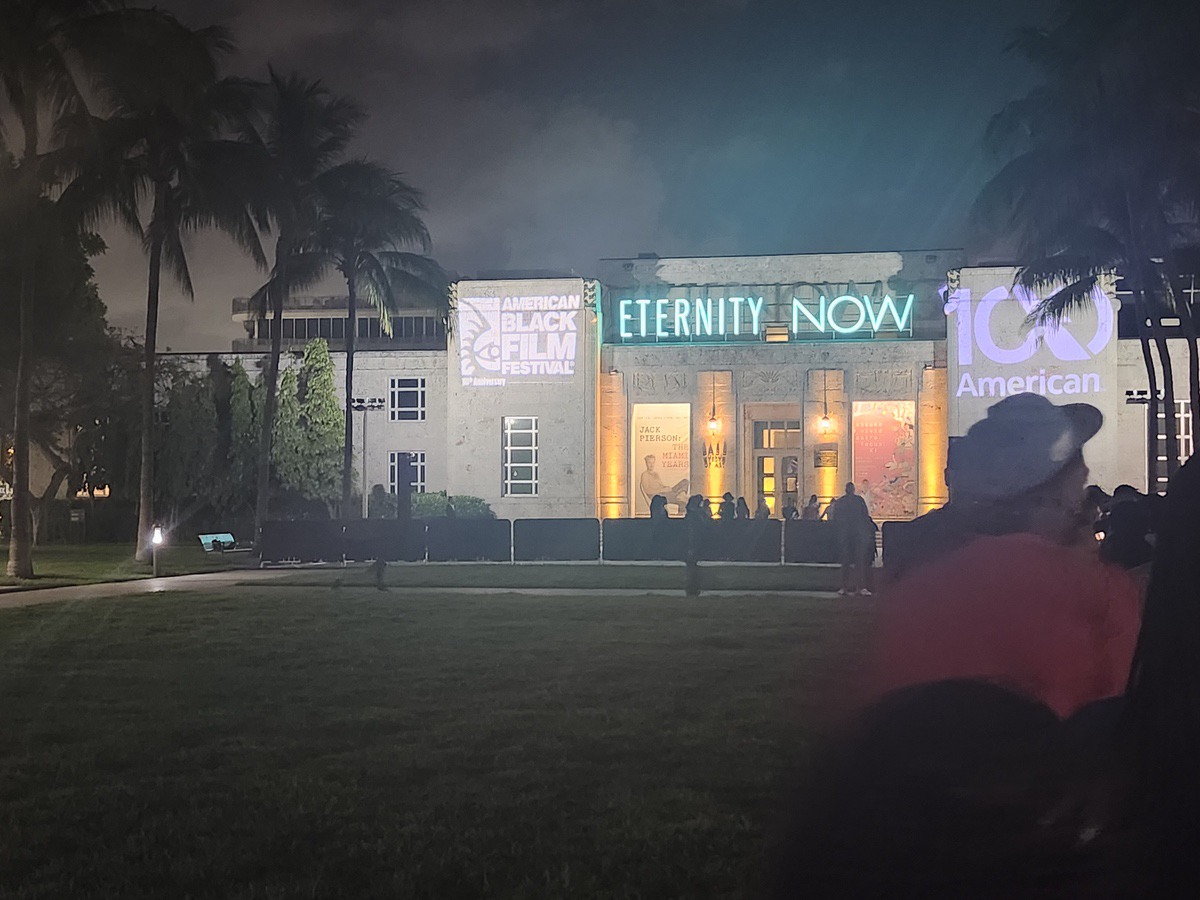
One evening, attendees gathered for a celebration that felt more like a family reunion than an industry event. Music filled the venue as people danced, laughed, and reflected on the experiences they had shared throughout the festival. The atmosphere was joyful and welcoming, highlighting one of ABFF’s greatest strengths: its ability to create a genuine sense of belonging. The Opening Night Party was held at the stunning Bass Museum, a venue known for its rotating contemporary international exhibitions as well as its permanent collection of European sculptures and paintings. The event evolved into a vibrant mashup of music and art, allowing guests to wander among iconic masterpieces while enjoying legendary tracks that set the tone for the night decades of music genres.
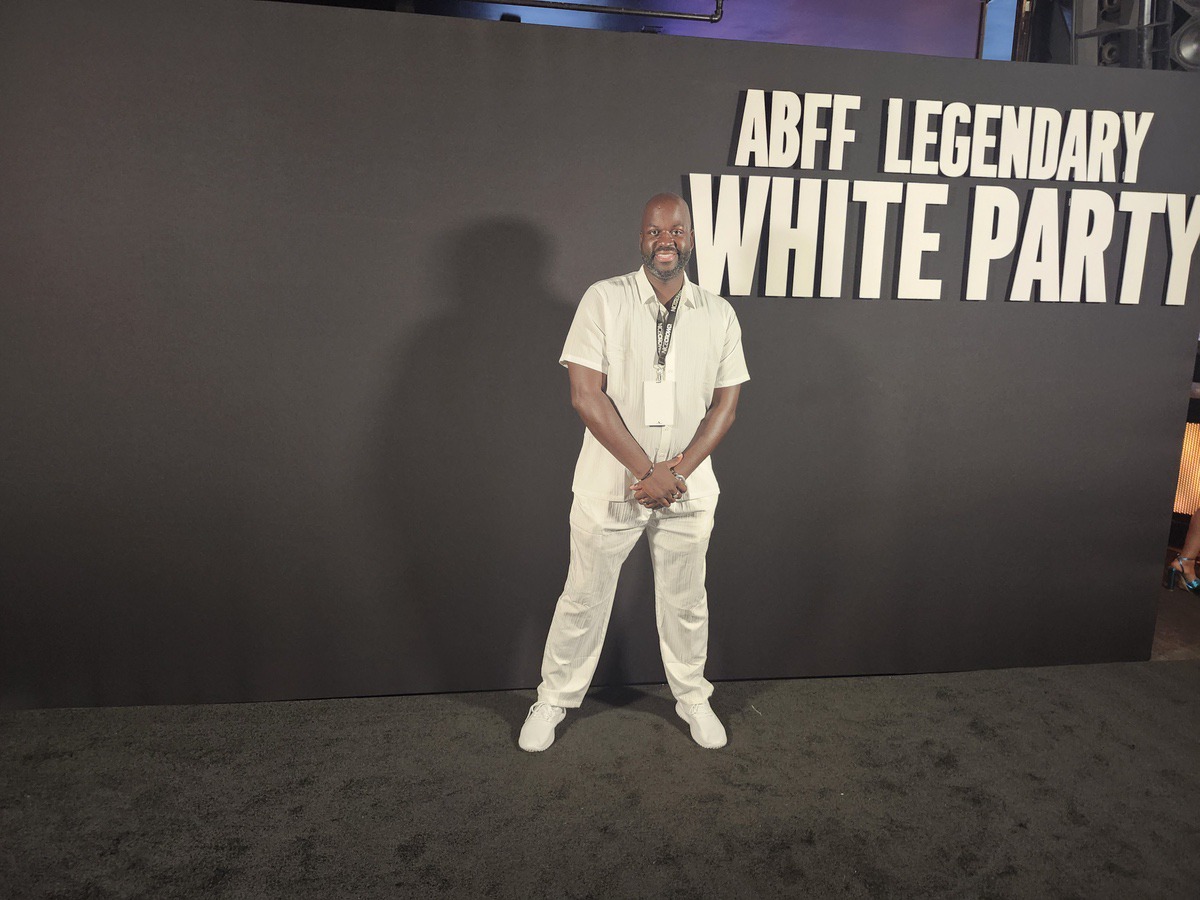
Fashion also played a significant role throughout the week. Attendees arrived dressed to impress, showcasing styles that reflected both personal expression and cultural pride. Walking through festival venues often felt like observing a living showcase of creativity. The blend of professional sophistication and artistic individuality added another layer of excitement to the experience.
As the festival continued, I found myself reflecting on its broader cultural significance. ABFF is not simply a place where films are screened; it is a platform where stories are validated and amplified. It serves as a reminder that representation matters not only on screen but throughout every aspect of the entertainment industry.
For decades, Black creatives have fought for opportunities to tell stories on their own terms. While progress has been made, challenges remain. Festivals like ABFF play a critical role in addressing those challenges by creating space for voices that have historically been overlooked or underrepresented.
The festival’s impact extends beyond the projects showcased during a single week. Many films, television series, and creative partnerships that begin at ABFF continue to influence audiences long after the festival concludes. Careers are launched, collaborations are formed, and important conversations are sparked.
Throughout the event, there was also a strong emphasis on ownership and empowerment. Speakers frequently encouraged attendees to take control of their creative journeys. Discussions about independent filmmaking, entrepreneurship, and content creation highlighted the growing importance of building sustainable careers outside traditional industry structures.
This focus on empowerment resonated with many attendees. In an era where technology has expanded access to audiences and distribution platforms, creatives have more opportunities than ever to tell their stories. ABFF demonstrated how innovation and determination can open new doors for storytellers seeking to make an impact.
Perhaps the most powerful aspect of the festival was witnessing the emotional connection audiences had with the work being presented. Whether during screenings, panel discussions, or casual conversations, people consistently expressed gratitude for seeing their experiences reflected on screen. Stories have the power to affirm identities, challenge perspectives, and foster understanding. ABFF provided countless examples of that power in action
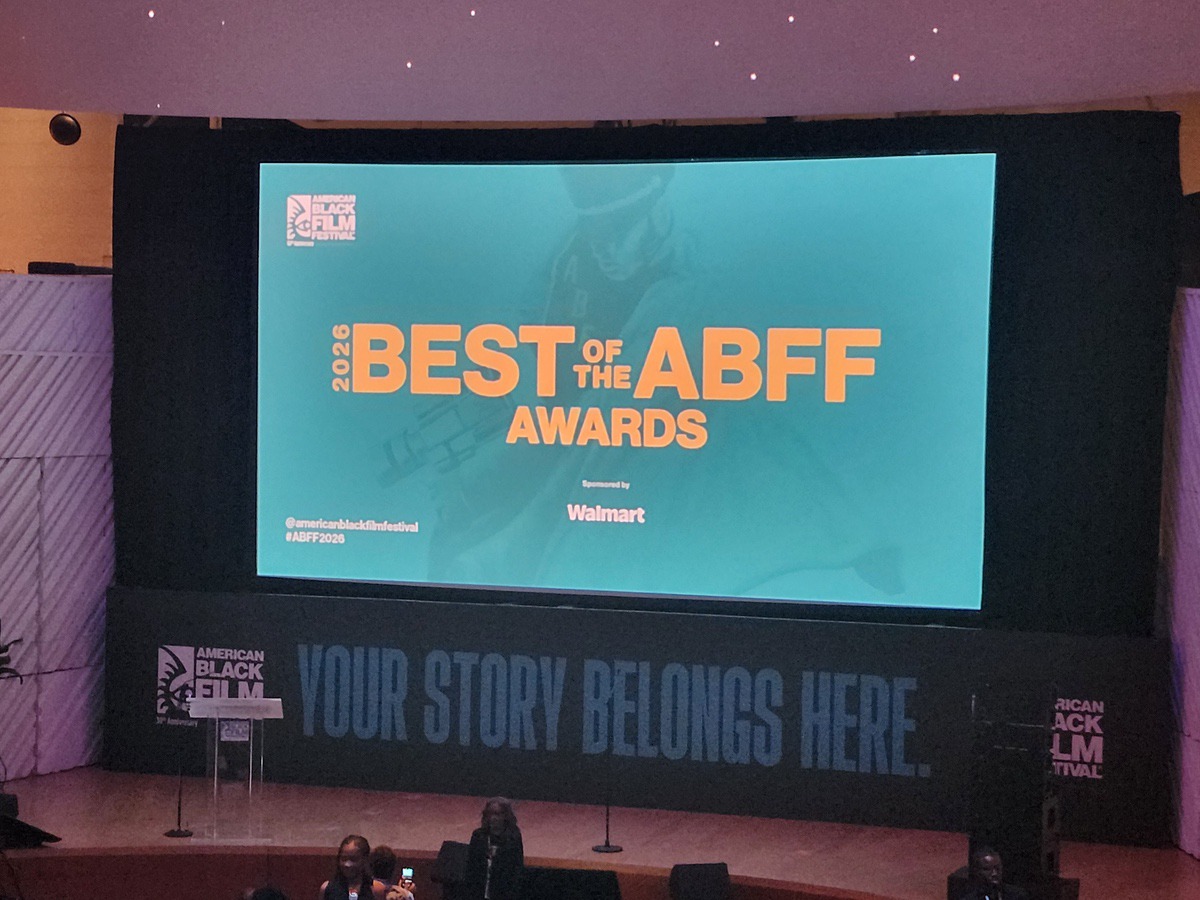
As the festival approached its conclusion, there was a noticeable sense of appreciation among attendees. The final events felt both celebratory and reflective. Awards recognized exceptional work, while closing gatherings provided opportunities to reconnect with new friends and colleagues before heading home. During the Best of ABFF Awards, several standout honorees were recognized for excellence in screenwriting, performance, and directing. The most anticipated honor of the night is always the Alumni Award, presented to a filmmaker whose career reflects the festival’s mission of championing and elevating independent creators. This year, the 2026 recipient was Steven Caple Jr., known for directing Creed II and Transformers: Rise of the Beasts. He joins an impressive roster of past honorees, including Issa Rae, Omari Hardwick, and Will Packer.
The energy during the festival’s final night was unforgettable. People shared highlights from the week, exchanged contact information, and discussed plans for future collaborations. There was a collective recognition that something meaningful had taken place—not just through the films themselves, but through the relationships and experiences created along the way.
Leaving Miami Beach, I felt inspired by everything I had witnessed. The festival offered much more than entertainment. It provided education, connection, motivation, and community. It showcased the incredible talent that exists within the Black creative community while reinforcing the importance of creating spaces where those voices can thrive.
For anyone passionate about film, television, storytelling, or culture, the American Black Film Festival is an experience worth seeking out. It is a place where emerging talent can find opportunity, where established professionals can share their expertise, and where audiences can discover stories that challenge, inspire, and entertain.
More importantly, ABFF serves as a powerful reminder that storytelling remains one of our most effective tools for building understanding and connection. Through film and television, we gain insight into experiences beyond our own while celebrating the humanity that unites us all.
Attending the American Black Film Festival was not simply a chance to watch movies. It was an opportunity to witness creativity in action, engage with a vibrant community, and experience firsthand the transformative power of storytelling. Long after the final credits rolled, the lessons, conversations, and inspiration remained. That is what makes ABFF more than a film festival—it is a celebration of culture, community, and the future of Black storytelling.
For more information about ABFF please visit :
www.abff.com/miami/

- MORE THAN A FILM FESTIVAL - July 29, 2026
