
Access, community, and integrative care are redefining wellness beyond luxury, and one nonprofit is quietly leading the shift.
There is a growing awareness that something about the current model of wellness is incomplete.
For years, the industry has leaned toward aspiration. Beautiful spaces. Elevated experiences. A language of transformation often tied to exclusivity. Wellness has been framed as something to attain, something to upgrade into, something that exists just outside the reach of everyday life.
At the same time, traditional healthcare systems have remained focused on efficiency and outcomes, often treating the body in isolation from the emotional and psychological realities that shape it.
Between those two worlds, a gap has formed. And inside that gap, something new is beginning to take shape.
One Hand Care, a South Florida nonprofit, was built to address that exact space. Its mission is direct. To make holistic care accessible and affordable to those who need it most, especially those who have historically been excluded from both wellness culture and consistent care.
It is not a trend-driven mission. It is a structural one.
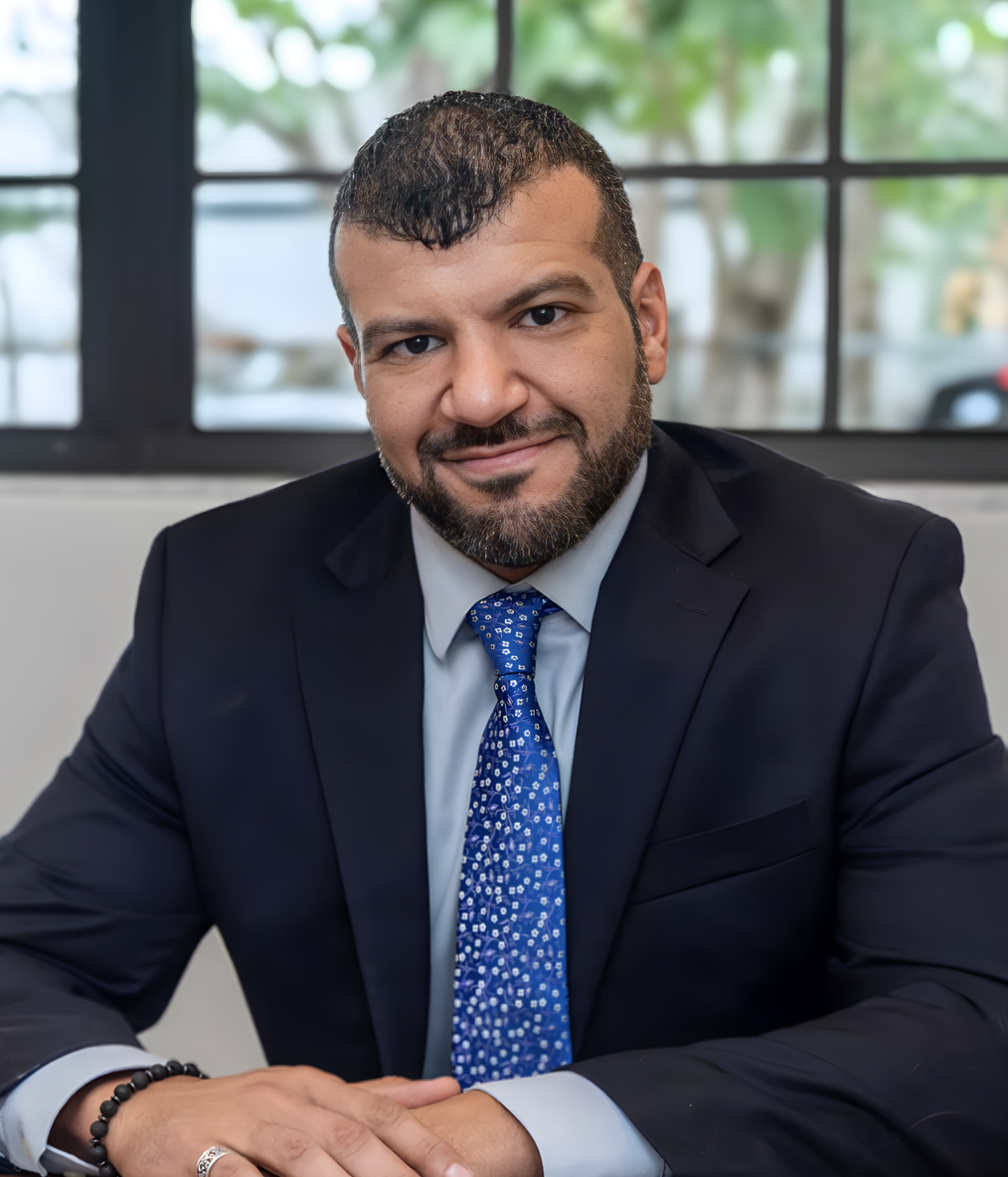
“Wellness and health are not luxuries,” says Dr. Hussein Anan. “They are basic human rights, and everyone deserves access to them, not just those who can afford it.”
That statement reframes the entire conversation.
If wellness is a right, then access becomes the issue. Not branding. Not aesthetics. Not exclusivity. Access.
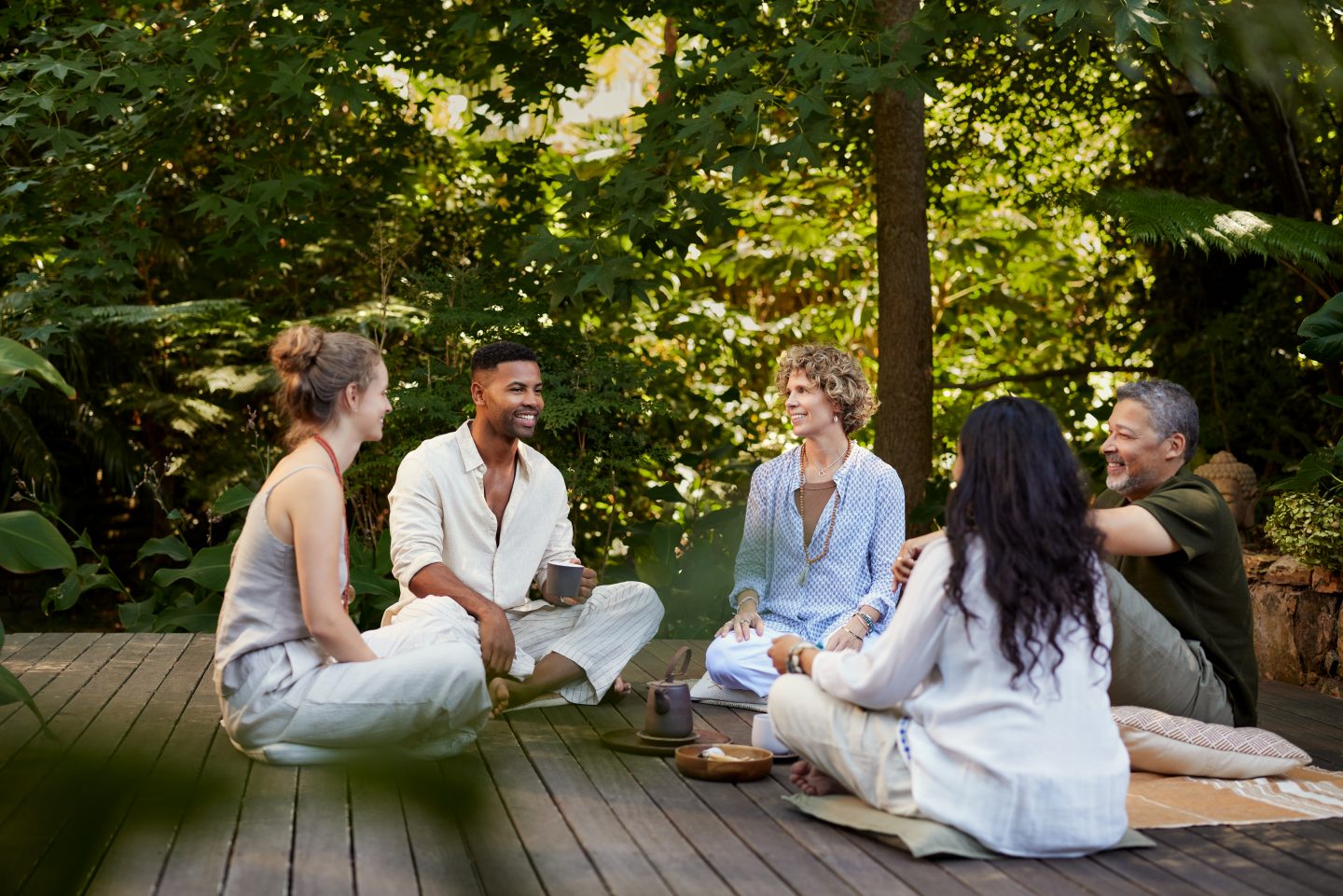
What One Hand Care is proposing is not the rejection of luxury, but the redefinition of value. Not wellness as something exclusive and aspirational, but as something essential, integrated, and shared.
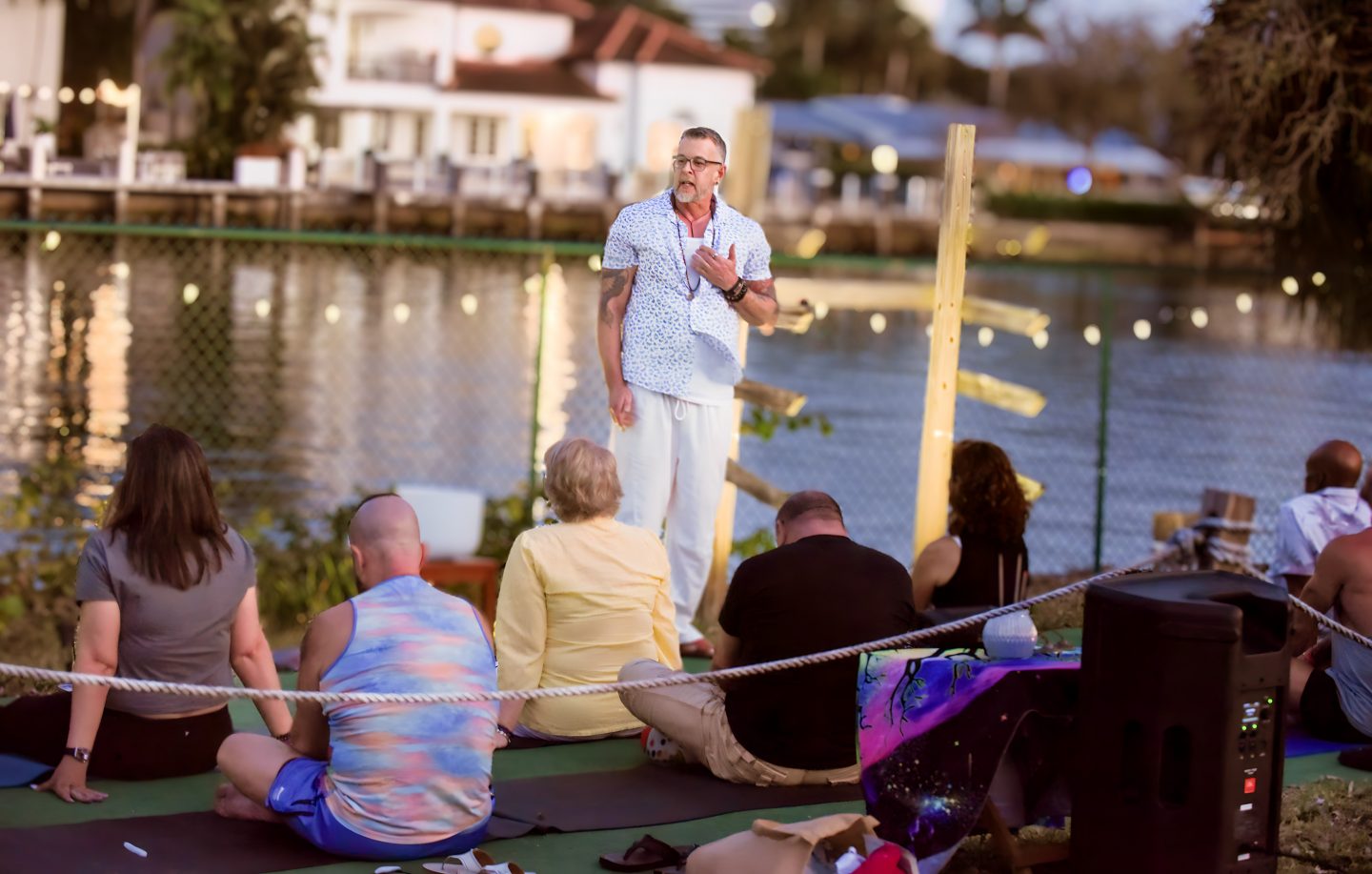
That philosophy came to life most recently along the Fort Lauderdale waterfront, where the organization hosted its second annual ALIGN 4 Elements, a sunset-to-evening gathering that felt less like an event and more like a collective reset.
As golden hour settled over the water, a community of artists, healers, practitioners, and newcomers moved through a curated sequence of experiences designed around breath, movement, sound, release, and connection.
Breathwork to regulate and reset.
Grounding movement and Tai Chi to reconnect with the body.
A flower release drifting across the water, marking intention and renewal.
Music, art, and creative activations building toward a shared close.
Throughout the space, something more subtle unfolded.
People slowed down. Conversations deepened. The distance between strangers began to dissolve. There was a shift from observation to presence.
Executive Director Scott Russell recalls a moment that captured the depth of what was happening.
“I witnessed someone experience a release during a grief workshop that was so real, it was clear their life had shifted,” he says. “That was the moment I saw wellness and healthcare truly intersect.”
It is easy to overlook moments like that in a culture that prioritizes scale and visibility. But they are the foundation of what One Hand Care is building.
Not a spectacle. A system.
One that is rooted in access, but also in belonging.
“We are creating space for something traditional healthcare has often overlooked,” says Rochelle Sapp, Director of Development. “The full human experience.”
That phrase carries weight.
Because what has been missing from many models of care is not knowledge. It is environment. The feeling of safety that allows someone to open. The sense of being seen without needing to perform. The permission to explore healing without needing to understand it immediately.
“What we are building is rooted in accessibility, belonging, and empowerment,” Sapp says. “People are given the opportunity to explore what healing looks like for them.”
In that exploration, something begins to shift.
Not always in dramatic ways, but in quiet, consistent transformation.
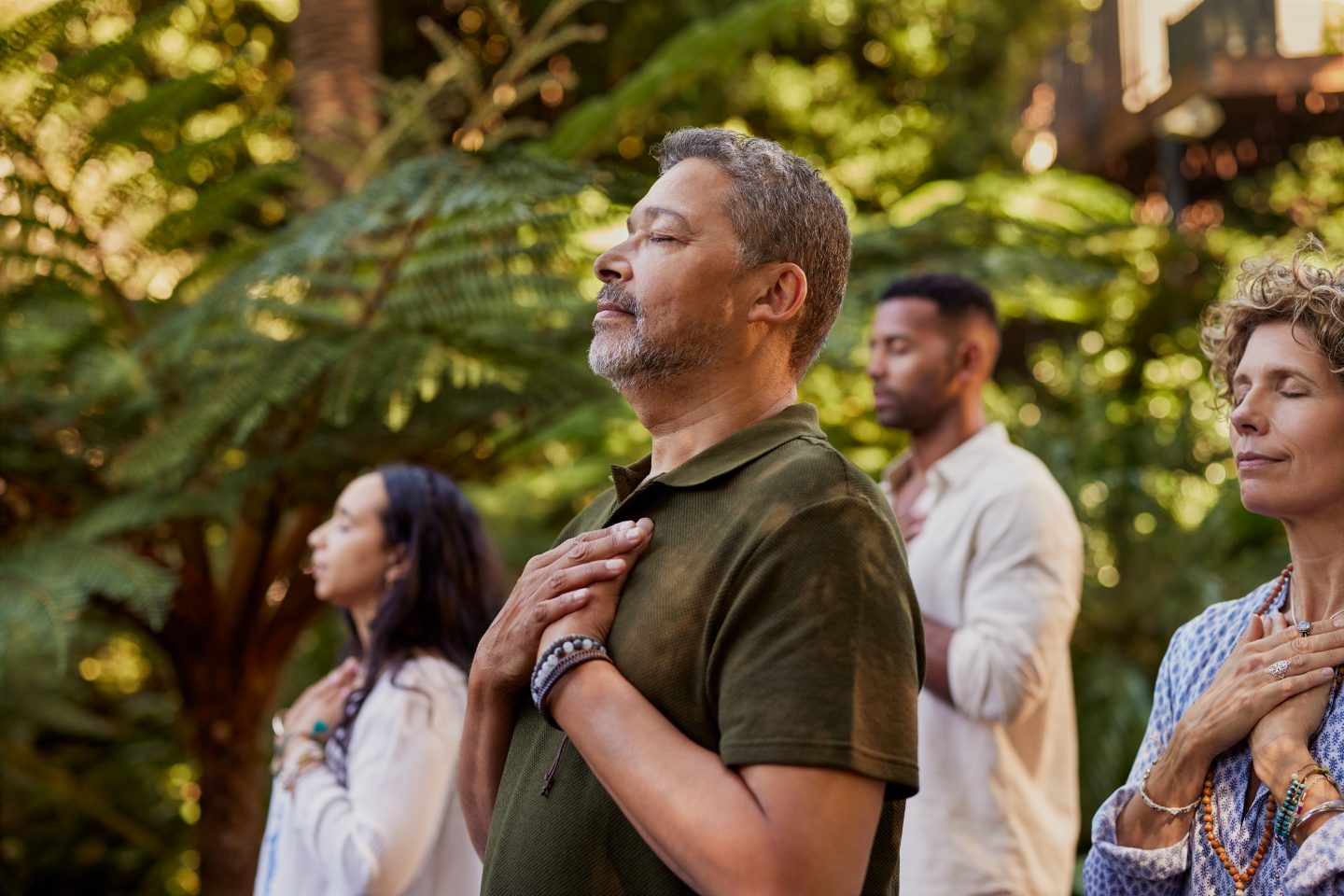
A person who arrives feeling disconnected begins to soften. Someone who once stayed at the edges starts to engage. Breath deepens. Movement becomes more natural. There is a return to self that feels both subtle and profound.
“Healing does not always happen in one defining moment,” Sapp says. “It happens in safe spaces, in consistency, and in community.”
This emphasis on consistency and community introduces a different kind of value system. One not built on exclusivity, but on repetition. Not on access for a few, but access for many.
And that is where the model begins to disrupt the traditional structure of the wellness industry.
Because if wellness becomes accessible, it can no longer rely on scarcity as its primary driver. It has to rely on impact.
Across the country, there are early signs that this shift is gaining momentum. People are seeking more than solutions to isolated problems. They are seeking connection, regulation, and a sense of grounding within their daily lives.
“We are heading toward a major shift where communities begin to lead with holistic health, not just react to illness,” Russell says.
That shift suggests a future where care is not confined to institutions, but distributed across communities. A future where healing is not something that happens only in response to crisis, but something that is practiced consistently.
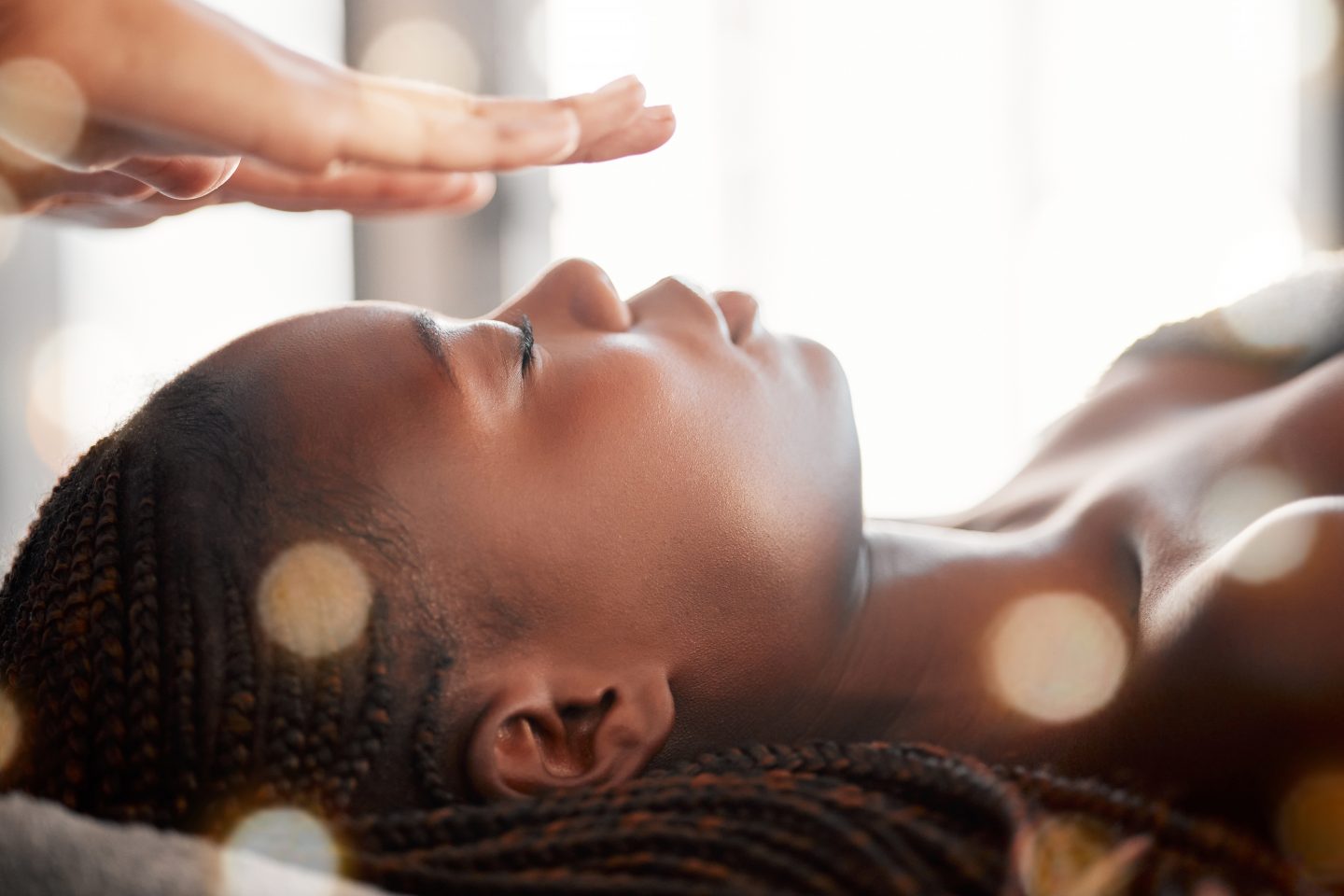
For One Hand Care, that future is already being built.
Quietly. Intentionally. Without the need for spectacle.
Because the true measure of its impact is not in scale alone. It is in the ripple effect.
“When we make wellness accessible, healing does not just happen within individuals,” Dr. Anan says. “It moves outward and transforms entire communities.”
A person reconnects with themselves. Their relationships begin to change. Their environment shifts. Their sense of possibility expands.
Over time, those individual shifts begin to accumulate.
And that is how movements begin.
Not through declaration, but through alignment. Not through exclusivity, but through access. Not through perfection, but through presence.
“What we are creating is a container for people to remember who they are,” Sapp says.
In a culture that often pulls people away from that connection, the simplicity of that idea feels significant.
ALIGN 4 Elements may last only a few hours.
But what it represents continues.
A different way of gathering.
A different way of healing.
A different way of thinking about what wellness was always meant to be.
Not exclusive.
Not intimidating.
Not out of reach.
But shared.
Accessible.
And deeply human.
To follow the work of One Hand Care, visit onehandcare.org or connect with the community on Instagram @onehandcare.

Christopher's unique style is coveted by those seeking to blend cinematic imagery with the beauty of the everyday.
He is inspired by music, film noir, travel, and textures.
Christopher is currently based in South Florida.
- Wellness Is a Human Right: How One Hand Care Is Rewriting the Future of Healing - March 26, 2026
- THE DEEP DIVE GUIDE TO MIAMI’S SATELLITE ART FAIRS - February 11, 2026
- The Deep Dive Guide to Miami’s Satellite Art Fairs - December 5, 2025