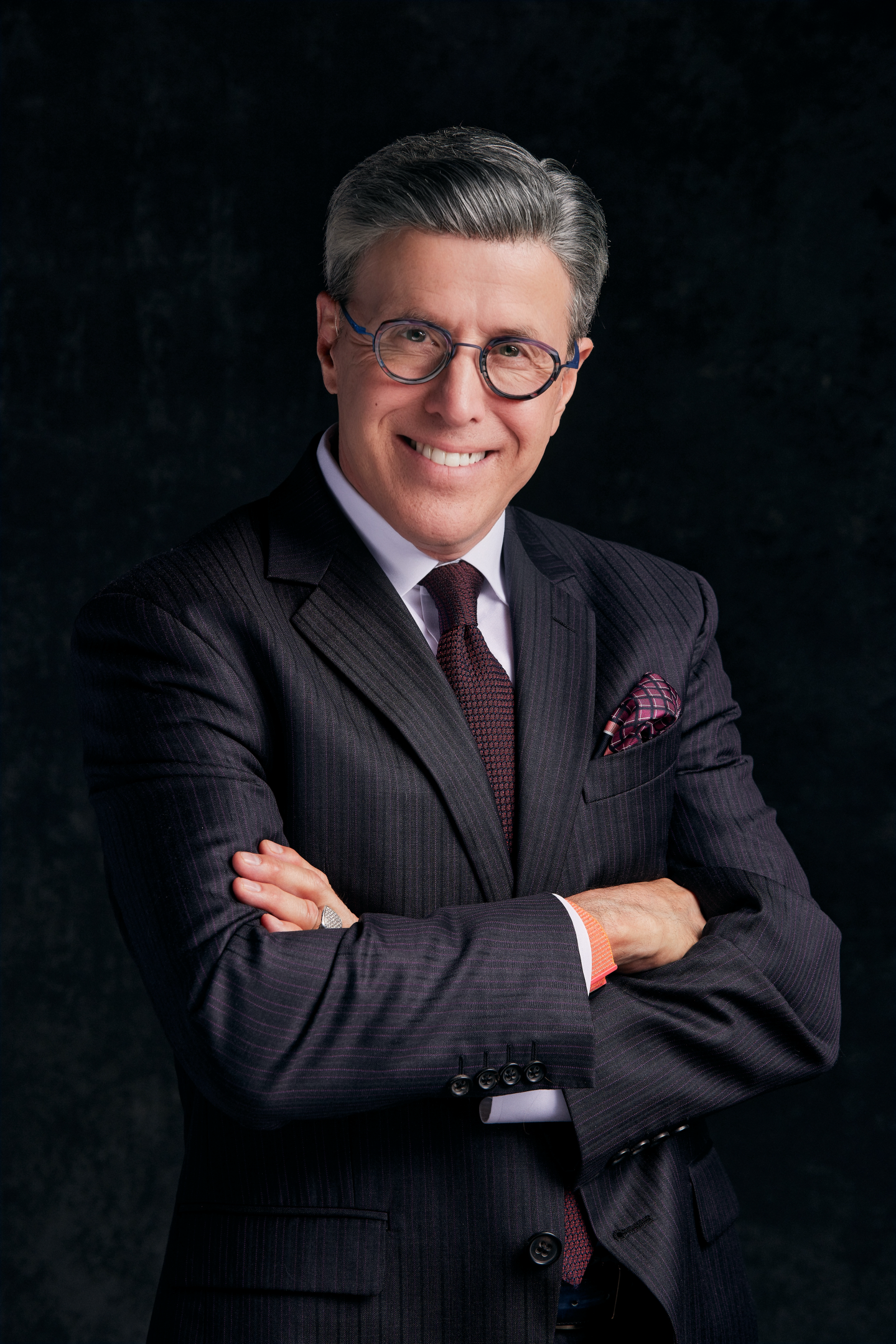
Leading With Harmony: Ronald C. Gunnell’s Journey From Enterprise Builder to President of the Garibay Institute
Ronald C. Gunnell’s career has never followed a predictable path. It has been shaped by reinvention, persistence, and a deep belief in the power of connection—first in business, then in culture, and now on the global stage.
“I started out,” he says with a laugh that carries both humility and disbelief, “the trunk of a car.”
It was not a metaphor. After a promising but ultimately unsuccessful early venture in real estate, Gunnell found himself starting over. A dishonest broker had dismantled his first professional opportunity, leaving him searching for direction and stability.
Scanning newspaper classifieds, he noticed two listings: one for a restaurant management position and another for a healthcare role that was unfamiliar to him. He chose the latter—despite not fully understanding what he was stepping into.
“I had no idea what FHP stood for,” he admits.
What followed was one of the defining business chapters of his life. Within a year, Gunnell had learned the inner workings of the American healthcare system. Within ten years, he and his partner had built Health Benefits America into what he calls “the nation’s largest benefits outsourcing company,” serving Fortune 50 corporations and managing “about 10 million employees retirees over the course of 10 years.”
By 1996, the company was acquired by ADP, marking a significant milestone in Gunnell’s business career. Yet even as the corporate chapter closed, another calling—one rooted in creativity and faith—was already emerging.
“A month later… I auditioned for the Tabernacle Choir,” he says. “Through a miracle… I got in.”
That moment would lead to a second act defined by cultural leadership at the highest levels. In 2000, following the construction of a 21,000-seat conference center in Salt Lake City, Gunnell received a directive that would shape the next quarter century of his life.
Gunnell recalls Gordon B. Hinckley, President of the Church saying, ‘‘I envisioned the world’s greatest artists coming… and we’re calling you to make that happen.’”
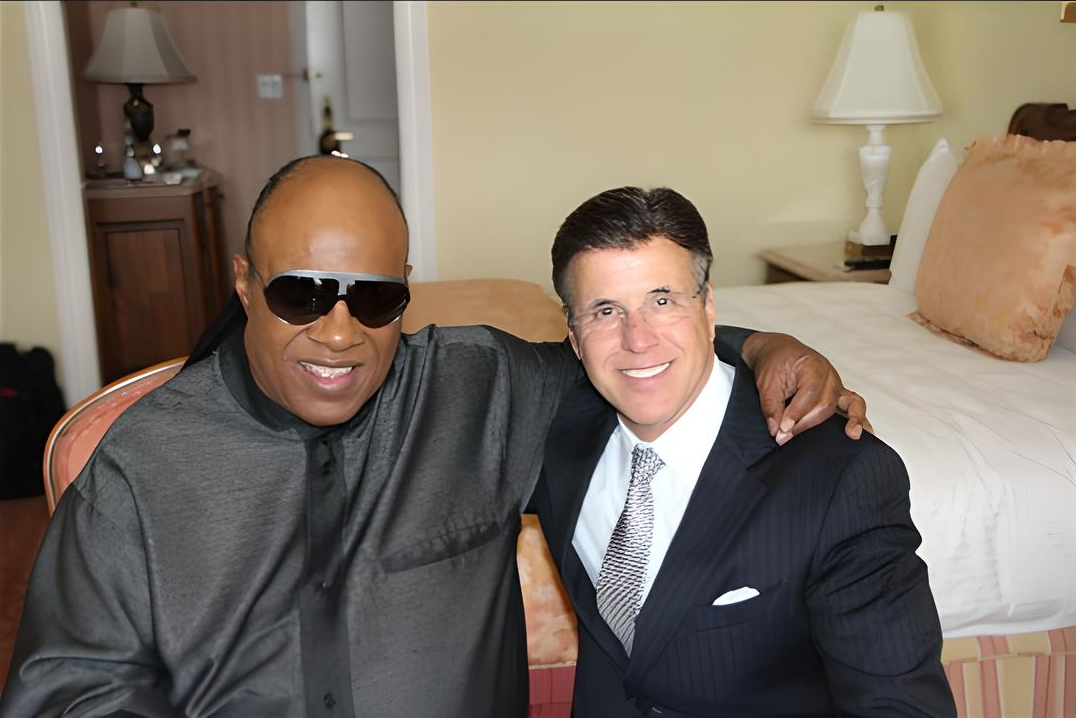
What followed was a 26-year tenure as Executive Producer for Global Talent, where Gunnell helped transform performances into cultural landmarks. Under his leadership, world-renowned artists including Andrea Bocelli, Renée Fleming, and Stevie Wonder joined performances that reached global audiences and elevated the role of music in public life.
Yet Gunnell’s influence extended beyond programming talent. His approach was built on trust, sincerity, and deeply personal gestures—qualities that shaped long-term relationships with some of the world’s most celebrated figures.
Stevie Wonder
Consider Angela Lansbury. Initially declined through her agent, the invitation seemed closed. Rather than accept defeat, Gunnell took a different approach.
“I sent her three dozen white roses with one red rose in the middle… and a note that just said, ‘Angela, we need you.’”
Three days later, his phone rang.
“‘Is it too late for me to accept this invitation?’”
She accepted—and returned year after year. Their relationship endured for decades, built not on contracts, but on friendship.
Moments like these became defining markers of Gunnell’s leadership style—one grounded in emotional intelligence and long-term trust rather than transactional exchanges.
That same instinct guided another pivotal moment in his career—an unexpected collaboration with legendary broadcaster Walter Cronkite. Faced with financial constraints that made traditional booking impossible, Gunnell offered an unconventional alternative.
“What if we invited him… to conduct the Tabernacle Choir?”
The answer came instantly.
“He screamed yes.”
Years later, Gunnell learned just how meaningful that moment had been.
“He was watching the video… he had his baton in his hand… and as soon as that song ended, he laid his baton down and he went to sleep.”
For Gunnell, these experiences were more than professional successes—they became proof of a broader philosophy: meaningful connection has the power to transcend status, culture, and circumstance.
Today, that philosophy defines his work as President of the Garibay Institute for Systems Diplomacy.
Founded by music producer Fernando Garibay, the Los Angeles–based think tank operates at the intersection of culture, governance, and innovation. It brings together leaders across sectors—artists, diplomats, academics, and faith figures—to foster dialogue through shared cultural experiences.
“Our true mission really is to be peacemakers.”
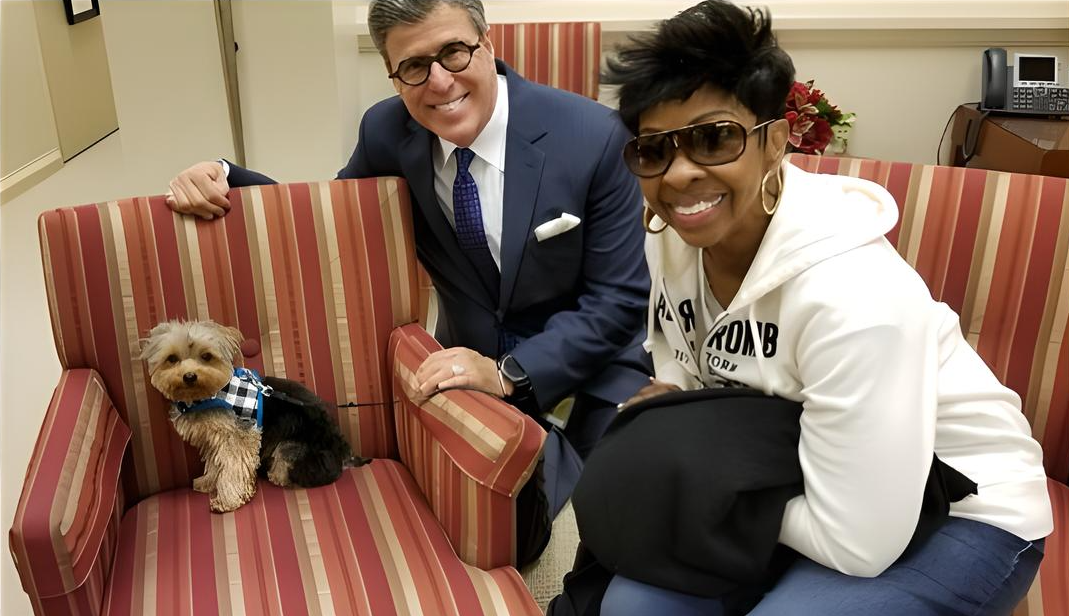
Gladys Knight
Rather than relying solely on traditional diplomatic structures, Gunnell is advancing what he calls systems diplomacy—an approach rooted in shared human experiences such as music, food, sport, and art.
“Who doesn’t like music?” he asks. “Who doesn’t like… culinary?… These are all emotion-driven… not driven by a computer. They’re driven by the soul of a human being.”
This belief arrives at a moment when technology is reshaping nearly every aspect of society. Gunnell recognizes both the promise and the challenge of artificial intelligence, while remaining firmly rooted in the importance of human connection.
“Artificial intelligence… is going to overtake how we do things in major ways,” he says. “But… what drives the human race is this notion of purity of heart… and that… does not come from a computer.”
Under his leadership, the Institute has expanded its global reach, working across regions including China, India, Europe, and the Middle East. These efforts focus on fostering dialogue where traditional diplomacy alone may struggle—particularly in regions where cultural bridges can create meaningful pathways toward collaboration.
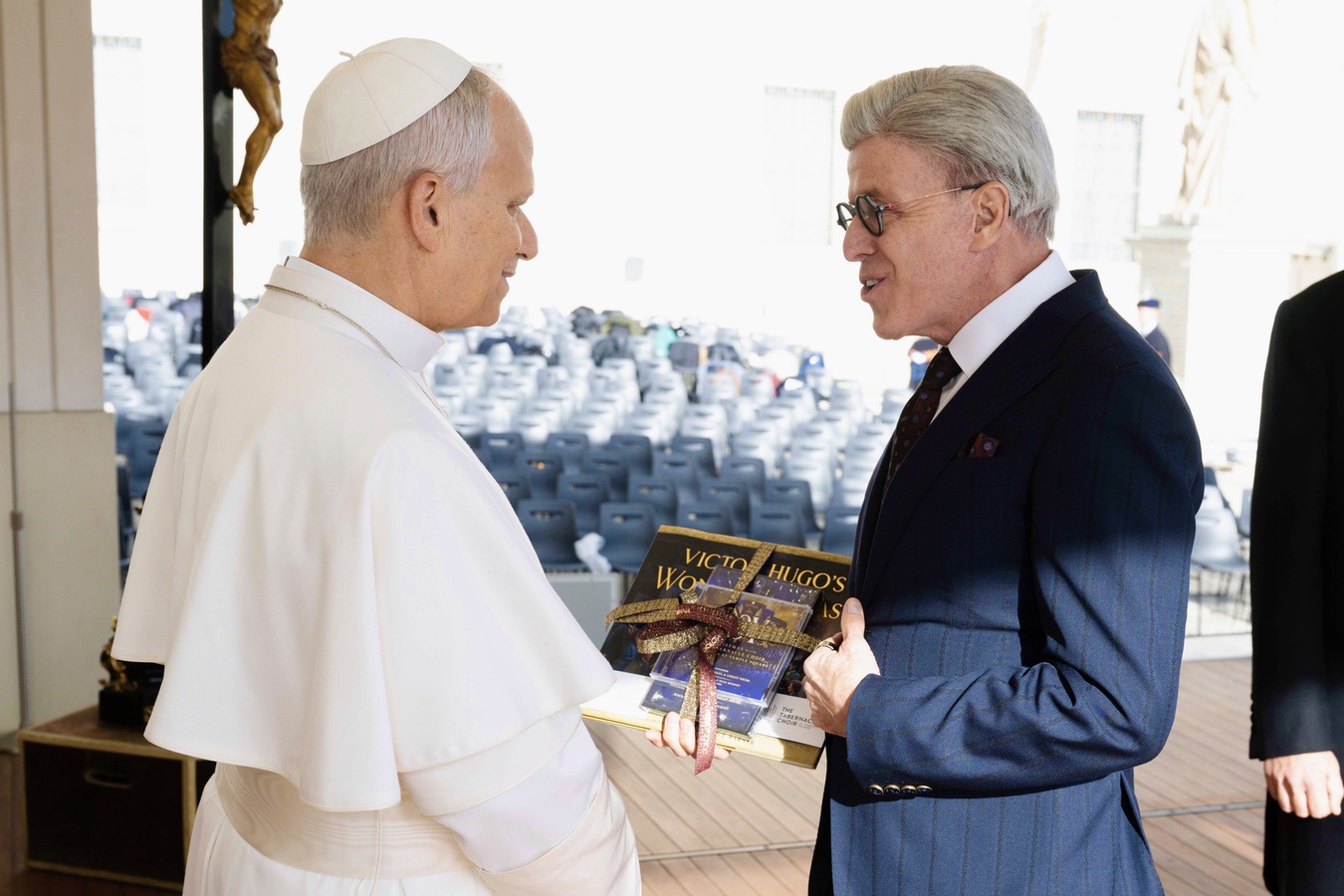
Recent encounters with global leaders reflect the scale of this mission. During one meeting in Rome, Gunnell experienced a moment that reflected the deeply personal nature of his work.
“I have waited 70 years for this moment,” he told him.
They spoke about music, humanitarian initiatives, and the universal language of performance. When Gunnell later shared a Christmas concert recording, he assumed it would remain in archival storage. Instead, the gesture was received personally.
Turning to his aides, the Pope ordered it delivered to his residence. Weeks later, Gunnell learned the recording had indeed been viewed.
Pope Leo XIV
“I just thought that was the coolest thing ever.”
These experiences reinforce Gunnell’s belief that diplomacy begins not with negotiation, but with shared human moments.
“The world’s going through hard power in terrible ways,” he says. “And we’re trying to shift this… to soft power… something reachable to every human being.”
That philosophy is now guiding the next phase of the Garibay Institute’s work, including partnerships across cultural and educational sectors. Programs are being developed to engage global audiences through collaborative performances and artistic initiatives designed to promote dialogue across borders.
“We’re not just preaching something,” he says. “We’re providing assets to make something.”
For Gunnell, leadership is not defined by titles or proximity to influence—it is defined by the ability to build trust, create opportunity, and foster connection across differences.
“I think the world’s just kind of been looking and needing… a shift,” he says.
And if his journey—from healthcare executive to global cultural leader—is any indication, that shift may not come from policy alone.