
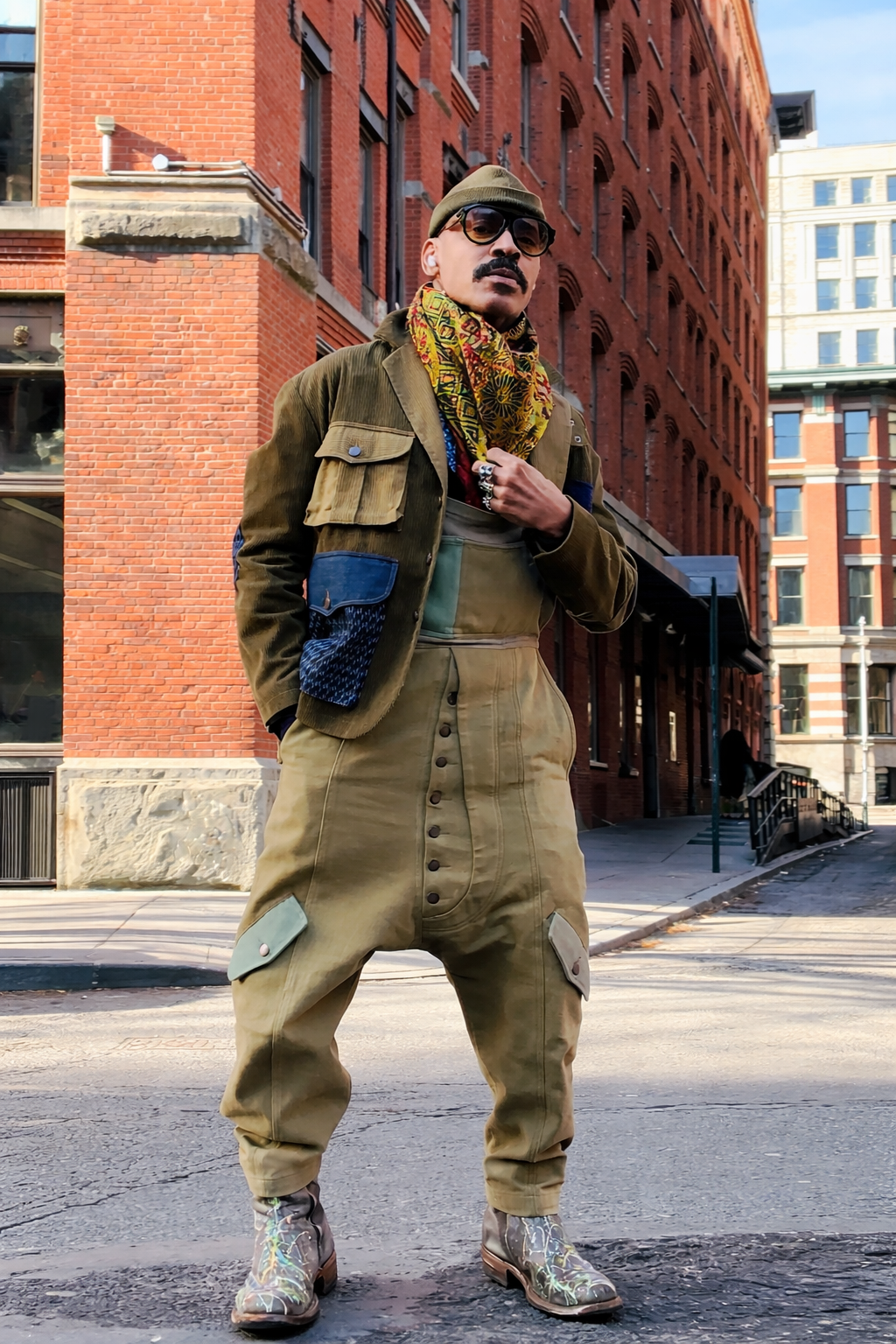
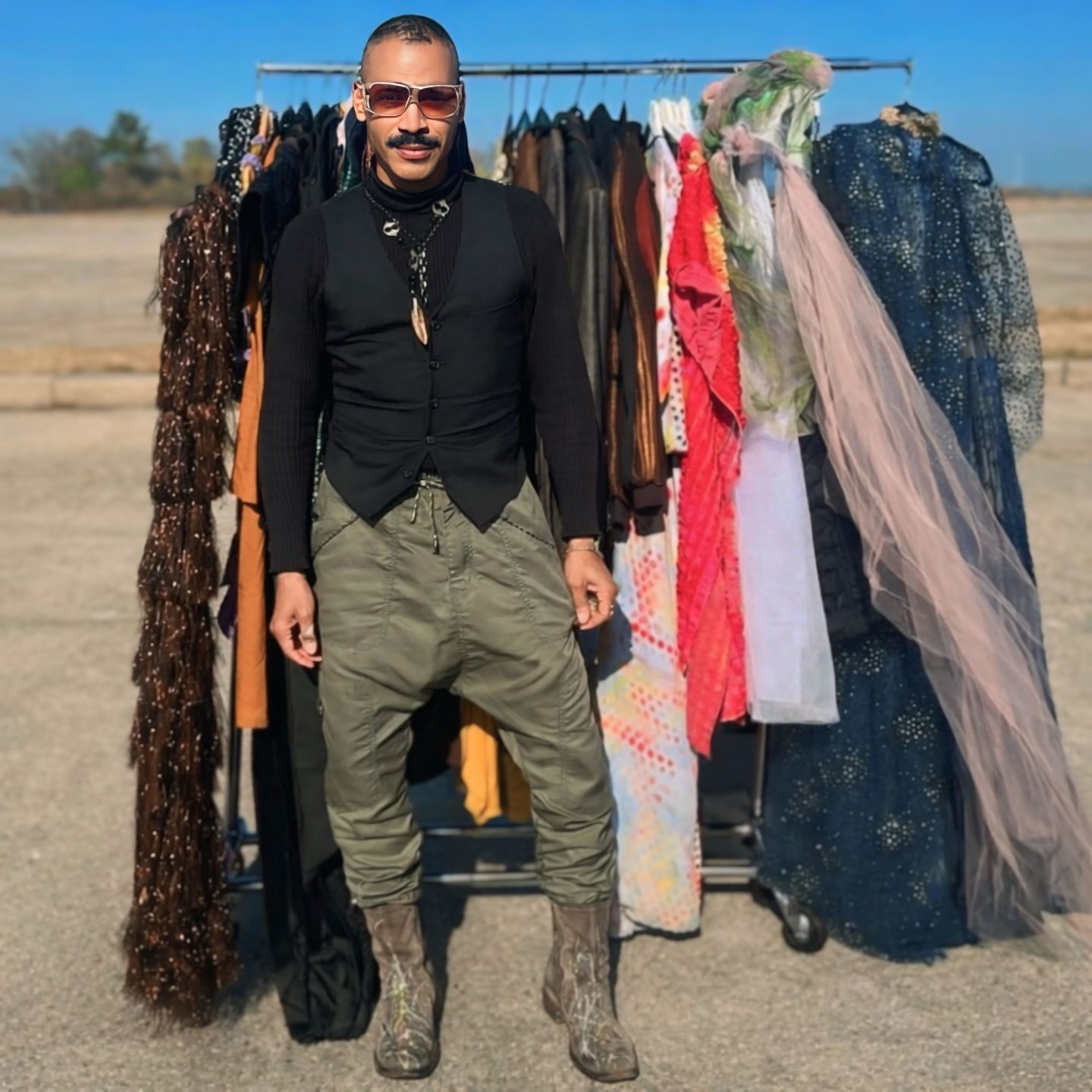
Born in the French Quarter, sharpened in Atlanta, and fully realized in New York, Rudy Reed is a stylist who understands both spectacle and substance. Nearly three decades in the city have taken him from retail floors and buying offices to international trade shows, editorial styling, and front row seats at fashion’s most decisive moments. A former assistant buyer under the legendary Patricia Field, Reed built his foundation inside the machinery of image making before stepping fully into his own voice as a stylist and cultural commentator.
Over 25 years later, his résumé spans global publications, wholesale showrooms, runway analysis, and guest lectures at FIT, Parsons, and Pearl Academy. Reed brings the rare duality of insider fluency and cultural literacy. He reads a room the way others read a rack. His eye for fit is exacting. His perspective, sharper still.
For Fall ’26, we asked Reed to take us inside New York Fashion Week, the mood, the politics, the designers, and the street style reshaping the runway in real time.
Michelle:
New York Fashion Week thrives on momentum. This season felt different. What shifted?
Rudy Reed:
There was a quiet weight in the air. Not chaos. Not drama. Awareness. Between shows, conversations drifted toward politics, global perception, the economy. International friends were not asking about trends first. They were asking what it feels like to live here right now. That tells you everything.
Fashion may sell fantasy, but it absorbs reality. This season felt controlled. Focused. Intentional.
Michelle:
Did that mood translate onto the runway?
Rudy Reed:
Completely. Structure dominated. Tailoring was disciplined. Silhouettes carried authority. Designers were not experimenting for attention. They were making statements. It felt less like searching and more like asserting.
Michelle:
The industry is louder than ever. Oversaturated. How does a designer stand out now?
Rudy Reed:
You stop playing safe. The market is crowded. Social media compresses everything into seconds. To survive, designers must be decisive. This season, you could feel that decisiveness in the cut of a jacket, the weight of a coat, the restraint in a palette. Clarity became the differentiator.
Michelle:
Who commanded the week?
Rudy Reed:
LaQuan Smith understands controlled power. There is discipline in the cut. Sergio Hudson delivered similar precision. Defined lines. Clothes that alter posture. Garments designed to occupy space without apology.
And then BruceGlen brought exuberance. Bold color. Personality. Optimism. That joy felt deliberate. Strategic.
Joy can be resistance, especially when it originates from communities that are often imitated but rarely credited.
Michelle:
Street style has always shaped New York. What felt different this season?
Rudy Reed:
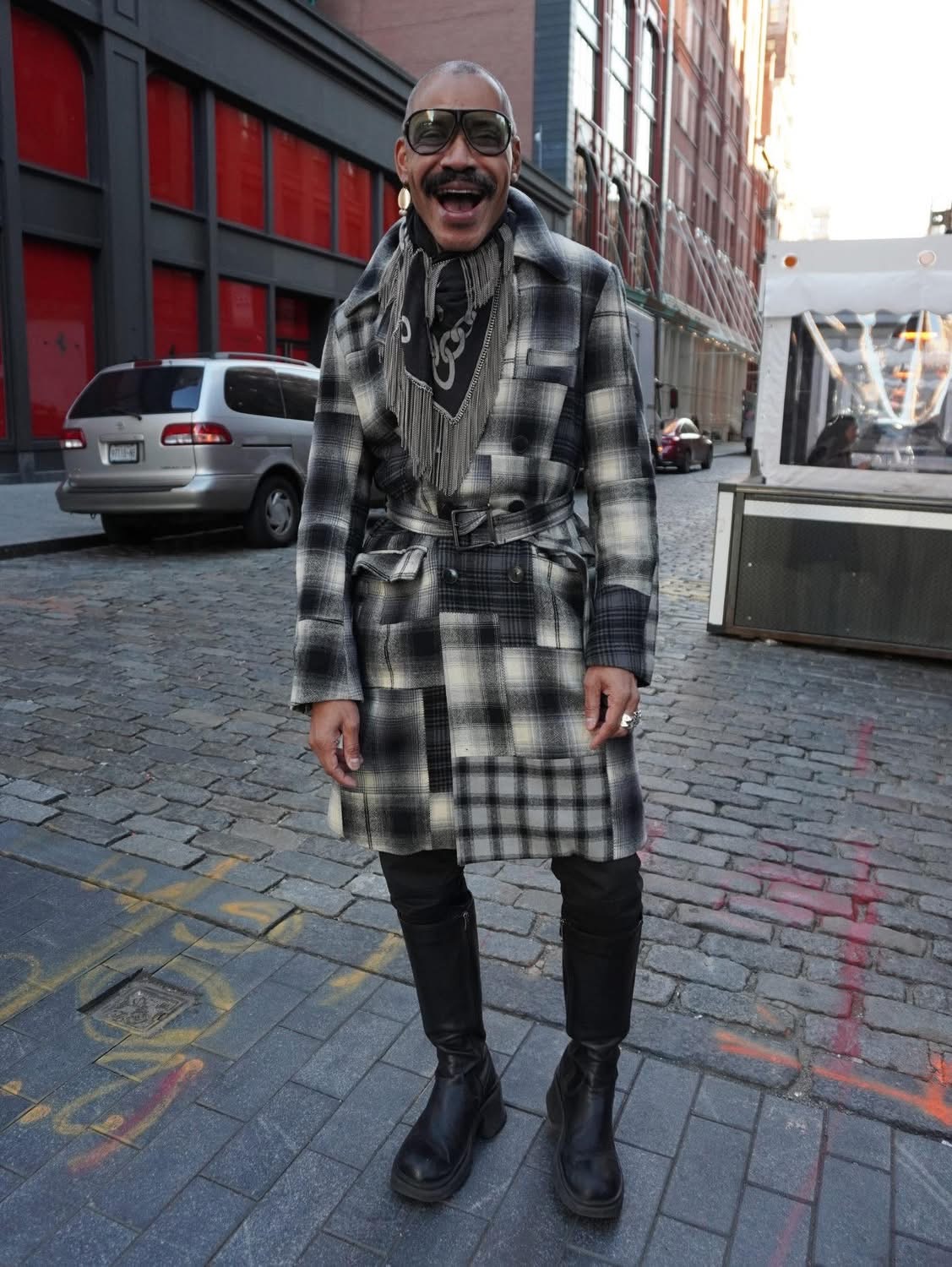
It felt less performative. More owned. People were dressing for themselves, not for cameras. Street writes the runway. It always has.
What is different now is transparency. Digital platforms track influence in real time. Cultural credit is harder to erase. Influence has lineage, and people are documenting it.
Michelle:
How does that awareness impact luxury fashion?
Rudy Reed:
Luxury can no longer pretend inspiration is abstract. Consumers understand where aesthetics begin. That awareness forces accountability. It reshapes how brands engage with culture and who they collaborate with.
Michelle:
Was there economic restraint in the collections?
Rudy Reed:
Yes, but it was sophisticated restraint. Collections felt edited, intentional. Not reduced. Designers are calculating supply chains, pricing, global optics. Fashion is business before it is spectacle, and New York feels that pressure immediately.
Michelle:
What did you personally lean into this week?
Rudy Reed:
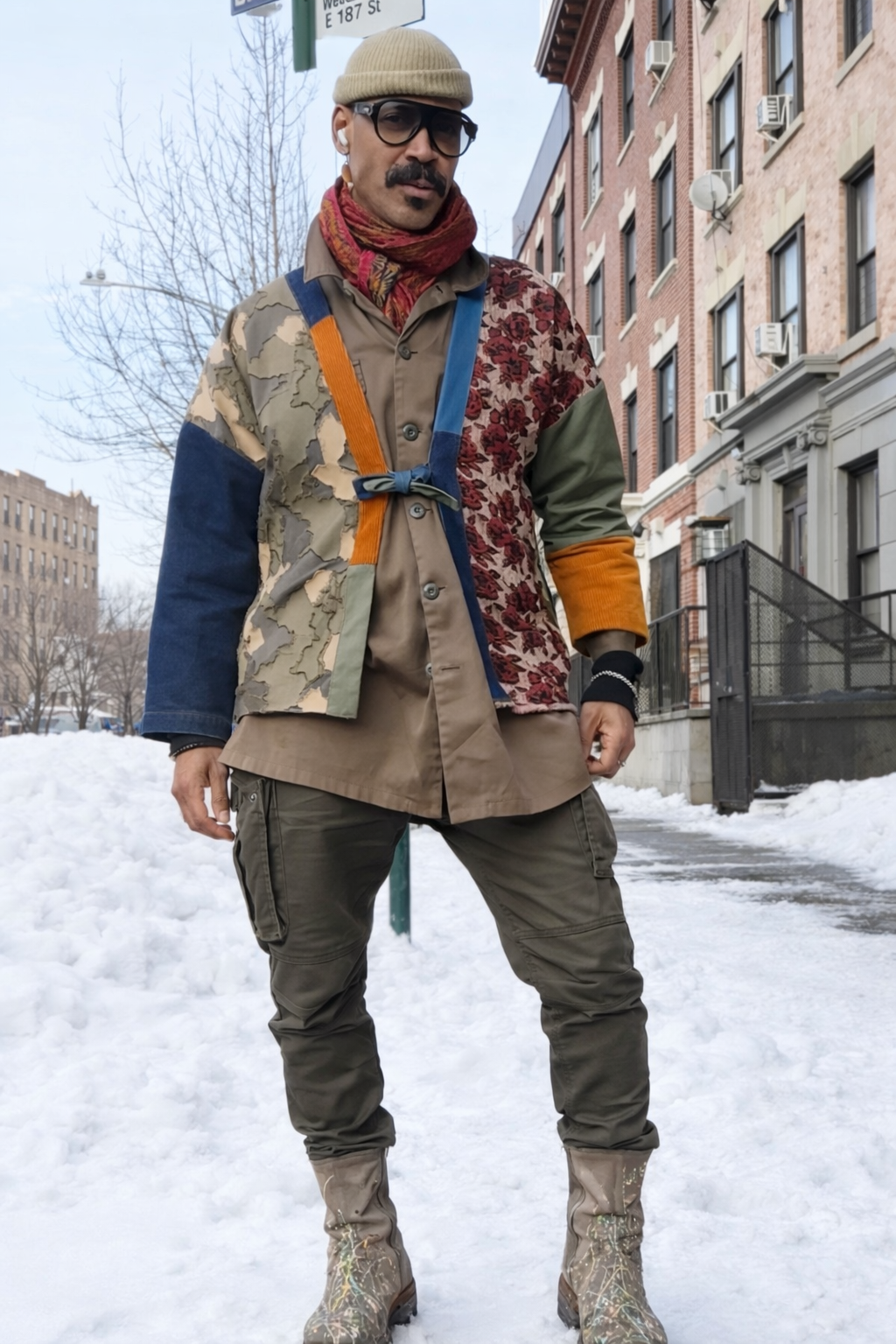
Layering. Vintage tailoring. Statement outerwear. February in New York demands strategy. Clothing here is language. It communicates ambition and resilience. Dressing well in this city is not indulgence. It is positioning.
Michelle:
What felt truly new?
Rudy Reed:
Not new. Refined. Proportions shifted toward authority. Shoulders sharpened. Volume was controlled. Designers seemed less interested in virality and more invested in longevity. That maturity felt significant.
Michelle:
The front rows looked glamorous. Were they?
Rudy Reed:
Visually, yes. Emotionally, complex. The rooms were full, but the conversations were serious. Politics. Economics. Global perception. The glamour did not mask awareness. It framed it.
Michelle:
So what does Fall ’26 ultimately say about New York?
Rudy Reed:
New York is not retreating. It is recalibrating. This was not a soft season. It was strategic. The tension did not weaken the week. It sharpened it.
Michelle:
After more than 25 years in the industry, what still excites you about this city?
Rudy Reed:
New York creates under pressure. That tension produces clarity. Reinvention is constant. That energy never gets old.
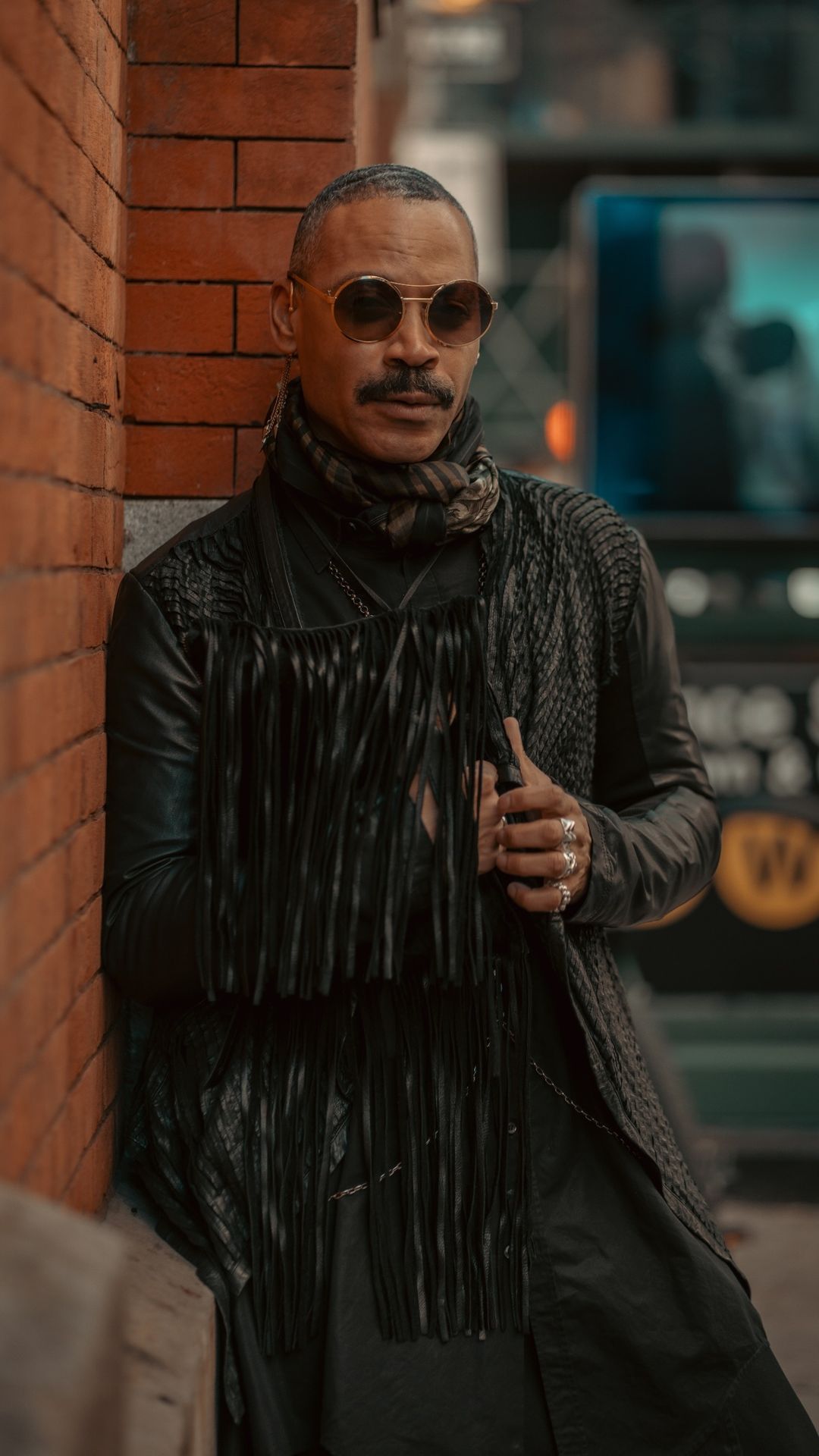
If the week had a thesis, Fall ’26 in New York was not romantic. It was disciplined. Designers did not chase spectacle; they refined authority. Street style did not beg for attention; it claimed ownership. Even joy felt intentional.
If there was a gloom, it was not weakness. It was awareness. And awareness, in fashion, often precedes evolution.
In a season shaped by politics, economics, and saturation, New York did what it does best. It recalibrated. Sharper. Leaner. Focused.
And according to Rudy Reed, that focus may be the city’s most powerful accessory yet.
You can keep up with Rudy Reed by following @rudyreednyc, where the work continues long after the runway lights dim.
- Presence Without Noise: The Emotional Architecture of Landeros - March 1, 2026
- LAPALME Magazine Exclusive: “This Was Not a Soft Season.” Stylist Rudy Reed on Power, Politics & the Precision of Fall ’26 NYFW - February 25, 2026
- Carlton Jones Enters His Fall Era - February 25, 2026
